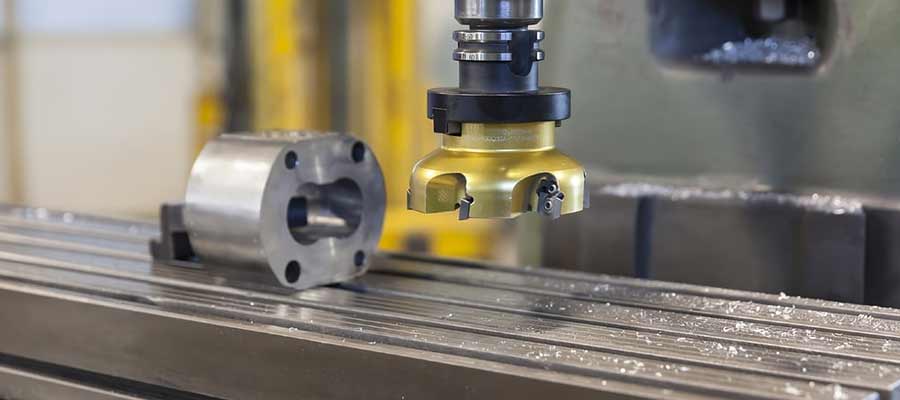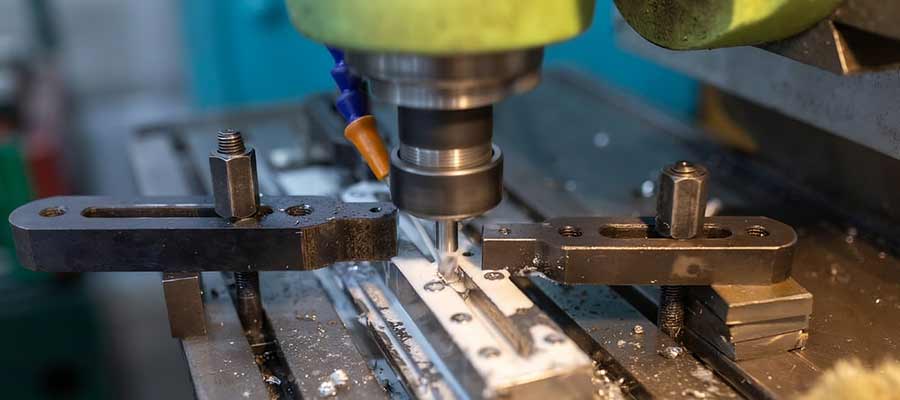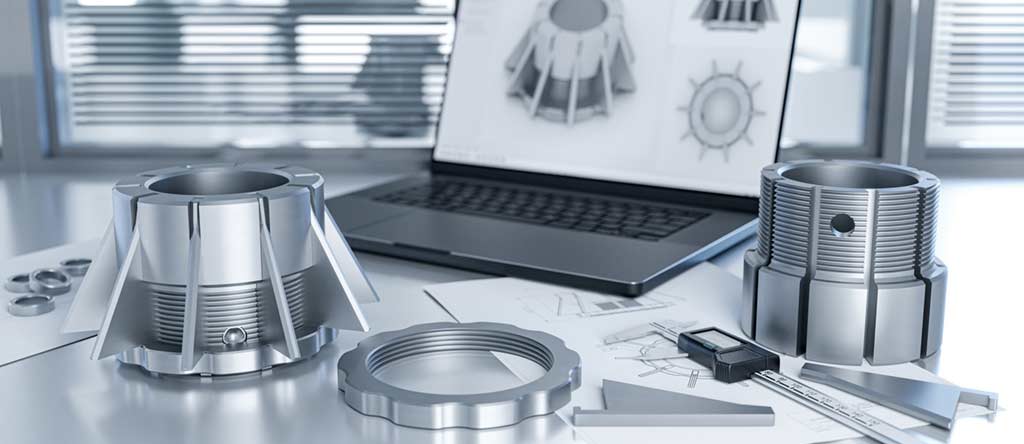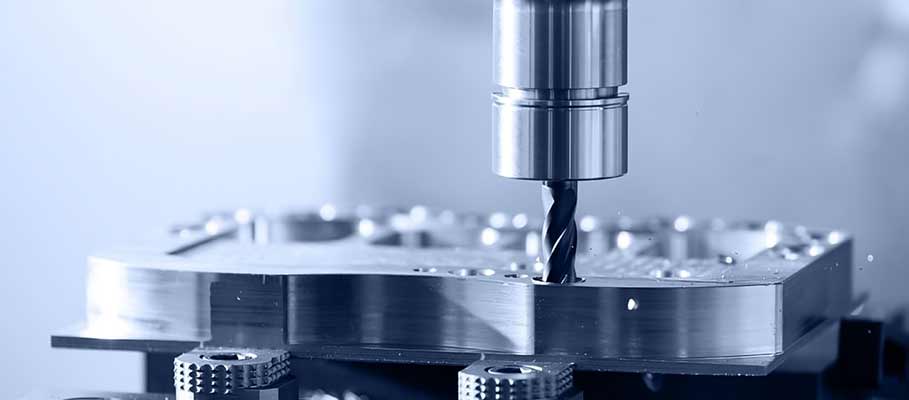
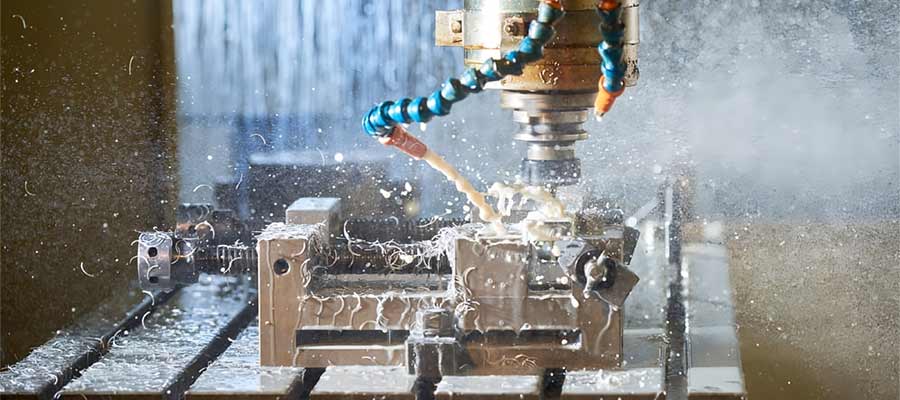
Car manufacturing looks completely different now. CNC machining did that.
Production got faster. Precision got tighter. Costs started making sense.
Customization that nobody thought possible ten years ago? Happens every day now.
Open up any modern vehicle. Hood. Interior. Doesn’t matter. Every component is detailed. Complex. Intricate.
Trying to hit that precision by hand? Forget it.
CNC follows digital designs exactly. Dead-on accuracy. Parts meet tight tolerances every single run.
Snapshot: CNC in Automotive
| Feature | The Reality |
| Machine Lifespan | 10+ years if you take care of them |
| Cost Range | $50K-$250K—size and capability drive the price |
| Materials Used | Aluminum, steel, titanium, plastics, composites—whatever the job needs |
| Precision | ±0.001 inches. Sometimes tighter. |
| Production Range | One-off prototypes to thousands of units |
| U.S. Market | Prototyping, custom work, and volume runs all happening |
Why CNC Wins Over Traditional Methods
Guesswork disappears with CNC. Gone.
Human error dragging down production? Not anymore. Random defects showing up? Nope.
Every part identical to the last one. Run after run after run.
Quality goes up. Reliability goes up. Wasted material goes down.
And CNC plays nice with waterjet, laser, plasma. Complex shapes that seemed impossible before? They are routine now. Nothing special.
What Drives Performance and Cost
Planning CNC work for automotive? Pay attention to these.
1. Material Type
Steel. Aluminum. Titanium. Standard automotive stuff.
Harder alloys hold up longer on the vehicle. But they chew through cutting tools. More machine time too. Trade-offs.
2. Component Complexity
Multi-axis engine parts. Suspension brackets with curves. The fancier the design, the slower and more precise the machining has to be.
No shortcuts here.
3. Volume and Run Length
Short prototype runs? CNC eats those up. Efficient.
High volume? Automation kicks in. Repeatability drops costs. Everything speeds up.
4. Tolerance Requirements
Tighter tolerances mean safer, more reliable parts. Engine components. Brake systems. Critical stuff.
But tight specs need more setup. More inspections. Worth it for safety-critical work.
Think through the balance. Speed. Cost. Precision. Pick your priorities.
Step-by-Step: Automotive CNC Projects
Not complicated if you follow a process.
- Design Prep: CAD model with every spec nailed down. This is your blueprint.
- Material Selection: Right alloy or composite for the job. Durability. Cost. Machinability. All factor in.
- Prototype Machining: Cut first parts. Check fit. Check form. Check function. Find problems now, not later.
- Testing and Refinement: Real-world conditions. Adjust design if needed. CNC makes iteration fast.
- Production Run: Design locked? Go full scale. CNC runs without babysitting. Hundreds or thousands of parts, all identical.
- Quality Control: Every batch inspected. Regulatory boxes checked. Performance verified. CNC shines here.
Results you can predict. Waste you can minimize. That is what automotive manufacturers competing on quality and cost need.
U.S. Automotive Trends
CNC is not just precision equipment. It is how you stay competitive.
Electrification
EVs changed the game. Battery enclosures need precision. Chassis parts need to be light. Motor components need tight specs.
CNC handles all of it. No sweat.
Customization
Buyers want their cars personalized. Custom interiors. Performance upgrades.
CNC does small-batch detailed parts without grinding production to a halt.
Sustainability
Material optimization. Less scrap. Environmental goals met without blowing the budget.
Modern CNC makes that happen.
Faster Product Cycles
Markets move fast. Prototype, test, launch—all needs to happen quicker than ever.
CNC makes rapid iteration actually work.
CNC vs. Traditional: Side by Side
| Factor | CNC | Old School Methods |
| Precision | ±0.001″ doable | Depends on the operator |
| Repeatability | Same part every time | Quality varies batch to batch |
| Complex Designs | Multi-axis handles it | Limited by manual skill |
| Setup Time | Digital programming speeds things up | Manual setup drags |
| Scalability | Prototype to volume, no problem | Volume changes cause headaches |
FAQs
How precise is CNC for automotive parts?
±0.001 inches. Parts fit right. Perform reliably. That is the standard.
Can CNC handle custom or complex designs?
Yep. Multi-axis capability. Intricate shapes. Specialized finishes. Good luck matching that by hand.
Is CNC cost-effective for small runs?
Definitely. Setup is minimal. Labor is minimal. Works great for prototypes and low-volume jobs.
What materials work with CNC?
Steel, aluminum, titanium, alloys, plastics, composites. If automotive needs it, CNC machines it.
How does CNC improve safety?
Consistent quality. Tight tolerances. Regulatory compliance. Less chance of component failure.
How long do these machines last?
10+ years. Easy. Good maintenance pushes that even further.
Why Styner Machine Tools
Styner Machine Tools has decades of experience and runs the latest CNC technology. Automotive parts that exceed what you are expecting.
Rapid prototyping. Full production runs. Complex designs. High-volume work. Precision that actually holds.
Engine components. Suspension. Interior trim. Built efficiently. Reliably. On schedule.
Precision manufacturing. Experienced team. Quality that matters. That is Styner.