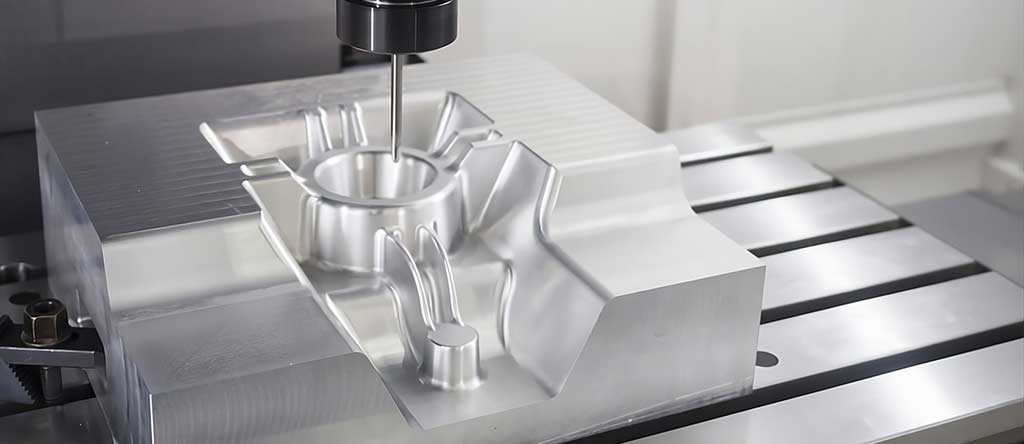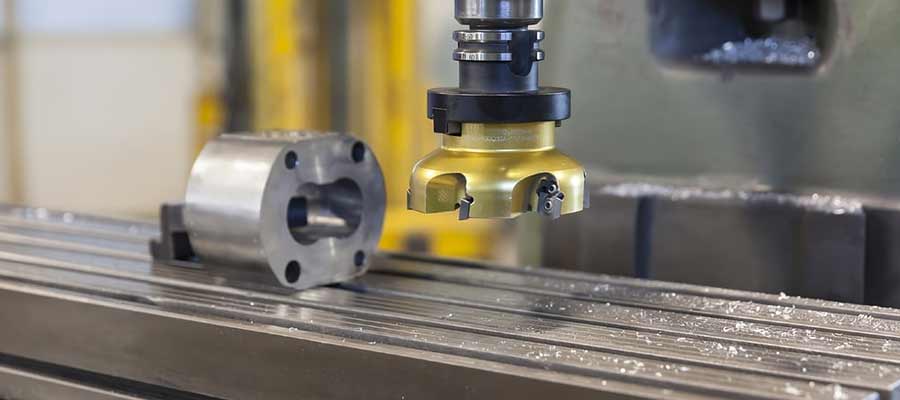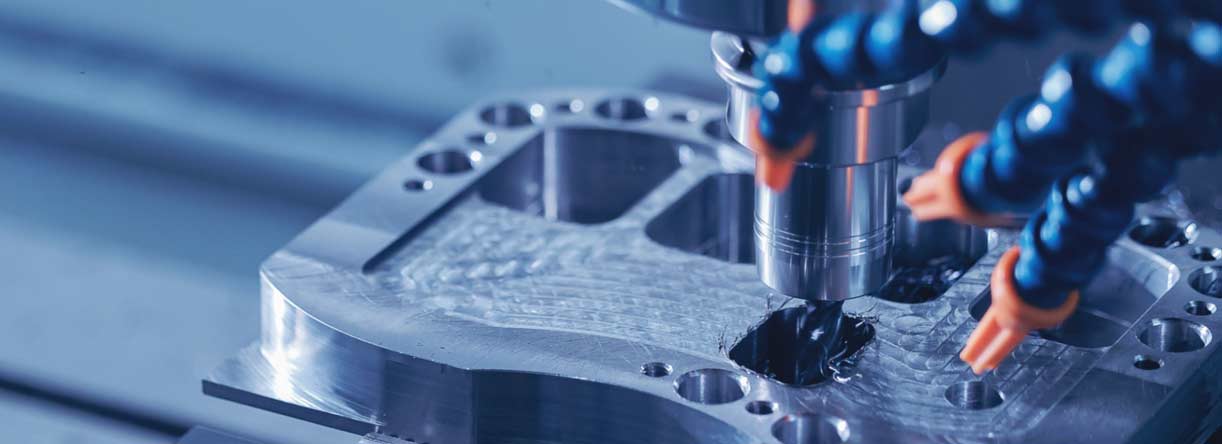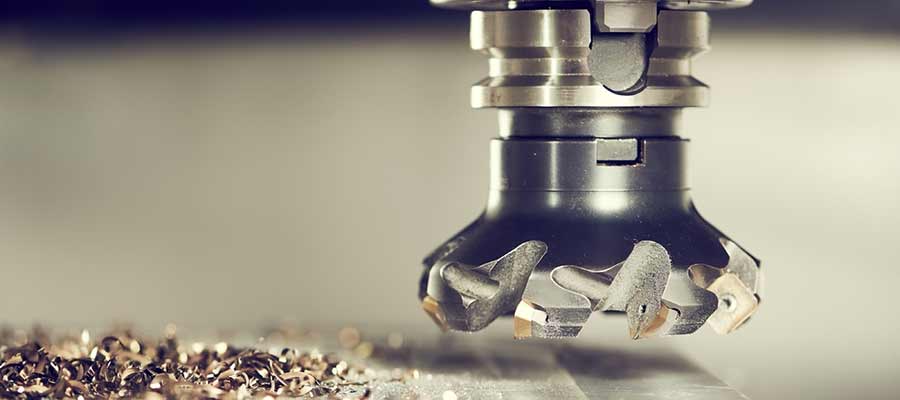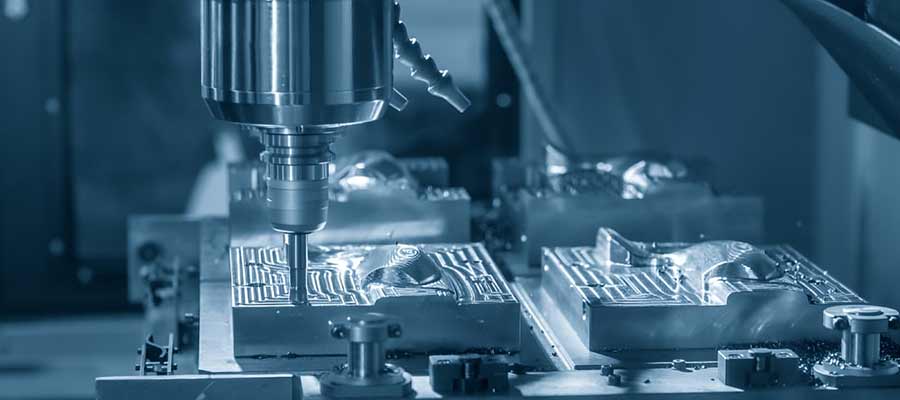
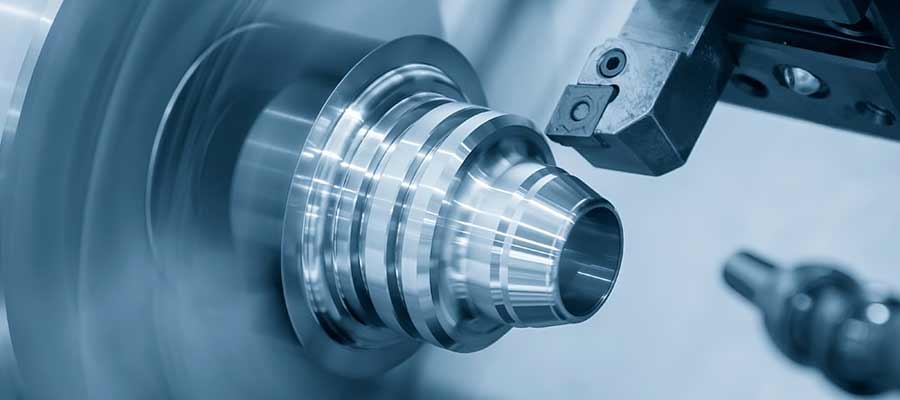
Want to know how CNC actually improves precision? It automates the machining. Every single movement gets controlled digitally.
No guessing. No hoping the operator got it right. Just accuracy.
Here’s the thing about modern manufacturing. Precision isn’t optional anymore. Small dimensional errors? They affect safety. Performance. Reliability. The whole package.
CNC fixes that. Replaces human inconsistency with digital control and real-time feedback. Different ballgame entirely.
Snapshot: What to Know
| Category | Details |
| Typical Precision | ±0.0002″ to ±0.001″—depends on machine and material |
| Machine Lifespan | 10-20+ years if you maintain them right |
| Cost Range (USA) | $75-$200/hour for machining services |
| Best Applications | Aerospace, medical, automotive, robotics, industrial stuff |
| U.S. Trends | Multi-axis setups, automation, in-process metrology—tolerances getting tighter |
Why CNC Matters for High-Precision Work
Industries that can’t afford tolerance issues—aerospace, medical devices, defense, transportation—they all run CNC. Equipment delivers what manual methods can’t.
Accurate parts. Repeatable results. High volumes without quality dropping off.
Try matching that consistency by hand. You won’t.
Digital Control Means Consistency
CNC machines run on programmed instructions. G-code tells the machine exactly what to do. Cutting paths. Spindle speed. Feed rate. Tool depth. All digital.
What does that actually mean?
- Every part in a batch comes out identical
- Human error basically disappears
- Complex cuts repeat thousands of times without drift
- Tolerances down to a few microns—achievable on modern equipment
CNC hooks straight into CAD and CAM software too. No manual data entry. No misreading drawings like the old days.
End result? Prototype to final run stays consistent. Every single time.
Multi-Axis Machining Opens Up Complex Geometries
Old machines work in three directions. X, Y, Z. That’s the limit.
Modern CNC? Adds rotation and tilt. 4-axis. 5-axis. Sometimes even more.
That extra movement lets you:
- Cut curves and angles that were impossible before
- Create undercuts, pockets, weird non-linear features
- Machine every side of a part without unclamping
- Avoid repositioning errors that kill tolerances
Aerospace alloys. Medical-grade stainless. Precision aluminum. Multi-axis handles all of it. Tolerances stay tight. Surfaces stay clean.
Less hand finishing afterwards too. Win-win.
Sensors and Real-Time Corrections
Here’s what really sets modern CNC apart. Self-correction while it’s running.
Advanced machines track:
- Tool wear
- Cutting force
- Vibration levels
- Temperature shifts
- Spindle load
- Workpiece position
Tool getting dull? Machine makes micro-adjustments automatically. Or flags for a change. Thermal drift? Small offsets fix it. Probes check dimensions mid-cut.
Less scrap. Tolerances hold. Long runs stay efficient. Quality stays reliable even on tough materials.
How CNC Stacks Up Against Other Methods
CNC vs. Manual Machining
Way more accurate. Way more repeatable. Faster on complex cuts. Less dependent on who’s running it. Better for production volumes.
CNC vs. Laser or Waterjet
Laser and waterjet work great on sheet materials. But CNC gives you tighter dimensional control. Produces actual 3D forms. Better surface finishes on metal parts.
CNC vs. 3D Printing
3D printing handles prototypes and intricate internal structures. But CNC delivers higher precision. Works with more industrial metals. Makes stronger, more dimensionally accurate components.
Tight tolerances required? CNC remains the gold standard. Period.
What Drives CNC Precision and Cost?
1. Material Type
Titanium. Inconel. Hard stuff is harder to cut. Tooling costs more. Machining takes longer.
2. Part Complexity
More axes moving. Smaller features. Tighter radii. All of it adds machining time.
3. Tolerance Requirements
Tighter specs? More setups. More inspections. More tool passes. Simple math.
4. Volume
Higher quantities drop per-piece cost. Programming and setup spread across more parts.
5. Machine Capability
Newer 5-axis machines with automated tool changers? Faster and more accurate on complex work. Worth every dollar.
Step-by-Step: How CNC Precision Happens
Typical process at a precision shop:
- CAD Modeling: Design the part. All features, materials, dimensions locked in.
- CAM Programming: Build toolpaths. Match speeds and feeds to material and geometry.
- Machine Setup: Clamp workpiece. Load tools. Verify alignment.
- Automated Machining: Machine runs the program. Adjusts in real time from sensor feedback.
- In-Process Inspection: Probes check dimensions while machining continues.
- Final Finishing: Minor surface work if needed.
- Quality Control: CMM or laser scanner for final verification.
U.S. CNC Trends Right Now
Shops across the country are upgrading fast:
- Automated tool changers everywhere
- Hybrid mill-turn machines gaining ground
- AI helping with CAM programming
- Digital twins tracking real-time performance
- On-machine measurement catching problems early
Tolerance demands keep climbing. Aerospace, robotics, clean energy—all pushing for more advanced CNC platforms.
FAQs
How accurate are modern CNC machines?
High-end equipment holds ±0.0002″ to ±0.001″ routinely. Material and geometry factor in.
What materials can CNC handle?
Aluminum, steel, stainless, titanium, brass, plastics, composites. Pretty much anything you throw at it.
Does CNC work for small runs?
Absolutely. Prototypes and low-volume jobs work great. Programming is digital and repeatable.
Which industries rely on CNC precision?
Aerospace, medical, defense, automotive, electronics, robotics, industrial manufacturing. The list goes on.
Does CNC cut lead times?
Yes. Automated programming and multi-axis capability slash production time versus manual methods.
How long do these machines last?
10-20+ years with proper maintenance. Good machines hold precision for a long time.
Why Styner Machine Tools
Styner Machine Tools delivers precision CNC machining. Decades of experience. Modern equipment. Commitment to quality.
Prototypes to full production. Every part hits demanding tolerance requirements.
Reliable machining. Advanced setups. Support you can count on. That’s what we do.