Custom sheet metal fabrication gives businesses exactly what they need. Nothing generic. Nothing forced to fit.
Just parts built for the job.
If you’ve ever tried making a standard, store-bought component “kind of work,” you know the frustration. Most industrial machines and assemblies have specific design needs. Generic parts rarely fit right.
Custom fabrication solves that problem. Full freedom to create parts that fit perfectly, perform reliably, and hold up under real-world demands.
Snapshot: What You Should Know
| Category | Details |
| Typical Lifespan | 10-25+ years depending on material and environment |
| Common Materials | Stainless steel, aluminum, carbon steel, copper, brass |
| General Cost Range | $50 to $2,500+ per part (size and complexity matter) |
| Best Uses | Panels, housings, brackets, frames, prototypes, assemblies |
| USA Lead Times | 1-4 weeks typically due to strong CNC and laser-cutting demand |
Precision and Customization You Can Depend On
Biggest advantage of custom fabrication? Accuracy.
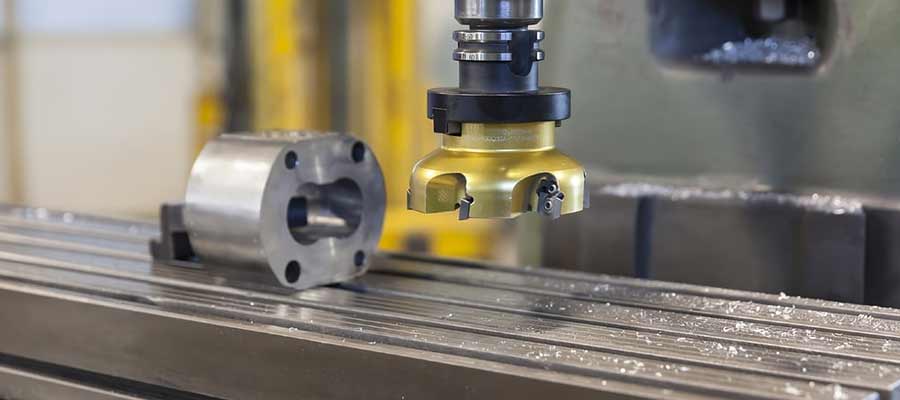
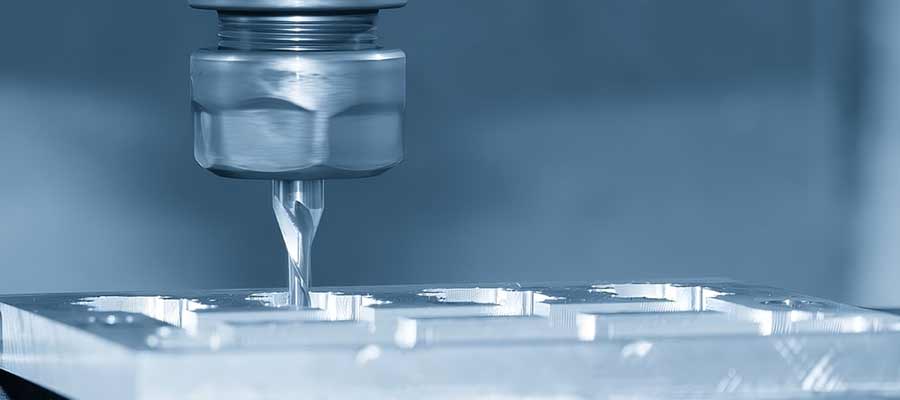
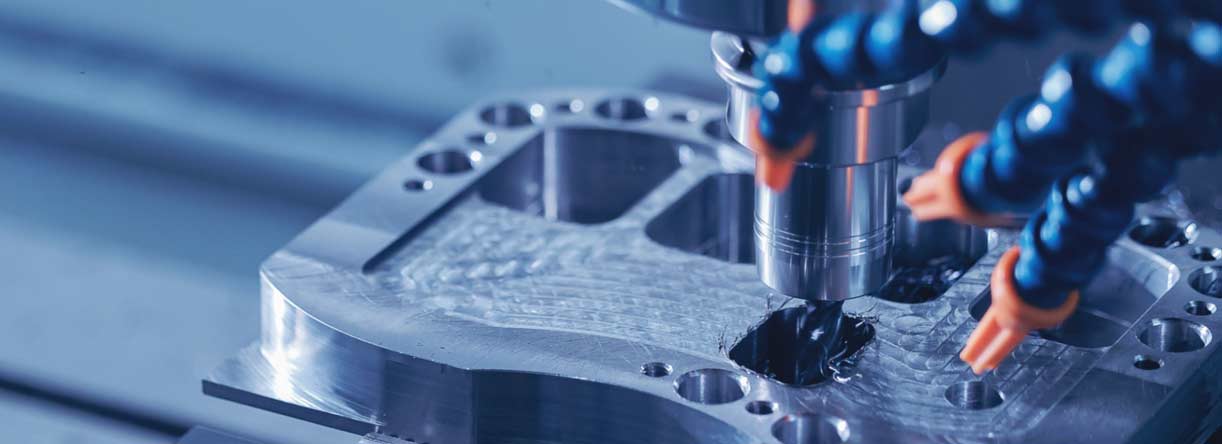
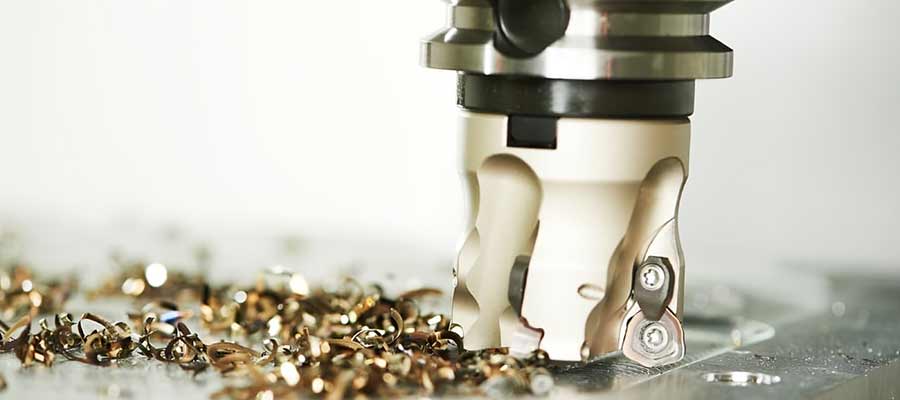
Today’s CNC machines—laser cutters, waterjets, press brakes, milling centers—hit tolerances down to tiny fractions of a millimeter. Parts come off the machine ready to install.
No grinding. No reshaping. No “hammer it until it fits” moments.
Why this matters:
- Parts line up the first time
- Assemblies go together faster and cleaner
- You avoid vibration, misalignment, and premature wear
- Engineers can design without being limited to standard sizes
Aerospace, manufacturing, electronics—any industry depending on reliability benefits from this level of precision. Trust me on that.
Durable Materials and Smarter Material Use
Every industrial environment is different. Some need corrosion resistance. Some need lightweight strength. Others need parts that handle heat, impact, or chemical exposure.
Custom fabrication lets you choose the right material:
- Stainless steel: Corrosion-heavy or sanitary applications
- Aluminum: Lightweight parts where strength still matters
- Carbon steel: When strength and affordability are priorities
- Copper or brass: Electrical or decorative components
Fabricators also use nesting software to reduce waste. Get the most out of every sheet.
- Lower material cost
- Less scrap
- More sustainable manufacturing
Stronger, longer-lasting parts without unnecessary waste. That’s the goal.
Cost Efficiency That Adds Up Over Time
Custom parts seem more expensive at first glance. But in most industrial settings, they cost less overall.
Here’s why:
- They fit right the first time
- They reduce rework and machining
- They cut down assembly time
- They last longer and break less
- They reduce downtime—often the most expensive part of a failure
CNC setups make switching between prototype runs, low-volume production, or high-volume batches easy. Demand changes? Fabrication adapts.
Another bonus: No stockpiling generic parts “just in case.” Order custom components as needed. Just-in-time approach. Reduces inventory and avoids obsolete stock.
Works Across Almost Every Industry
Custom sheet metal fabrication is one of the most flexible options in modern manufacturing. Nearly every industrial sector uses it.
Construction
Structural brackets, architectural cladding, custom framing, support components.
Automotive & Transportation
Body panels, heat shields, chassis brackets, suspension components.
Aerospace & Defense
Lightweight enclosures, tight-tolerance structural parts, high-strength assemblies.
Electronics
Enclosures, EMI-shielded housings, compact high-precision casings.
Medical
Stainless steel housings, sterile equipment parts, corrosion-resistant surfaces.
Each part built for exact operating conditions. That’s the whole point.
Custom Parts vs. Standard Parts
Simple breakdown:
| Feature | Custom Parts | Standard Parts |
| Fitment | Perfect fit | Often “good enough,” sometimes not |
| Cost over time | Generally lower | Often higher due to failures/rework |
| Material options | Very flexible | Limited |
| Innovation | Encouraged | Restricted |
| Lead time | 1-4+ weeks | Immediate if available |
Application demanding, unique, or mission-critical? Custom almost always wins.
What Affects Cost and Performance?
Few major factors:
1. Material Type
Stainless steel and specialty alloys cost more than carbon steel. But they last longer.
2. Metal Thickness
Thicker material is harder to cut and form. Adds time and cost.
3. Design Complexity
Intricate cuts, tight tolerances, multi-stage forming—all increase labor and machining hours.
4. Quantity Needed
Higher volume usually lowers cost per part. Simple math.
5. Finish Options
Powder coating, painting, anodizing, polishing, plating—adds cost but improves durability.
Understanding these helps companies plan budgets accurately.
The Fabrication Process
How most custom sheet metal parts get made in modern U.S. shops:
- Engineering and CAD modeling
- Rapid prototyping
- CNC programming
- Laser, waterjet, or plasma cutting
- Press brake forming and bending
- Machining or secondary operations if needed
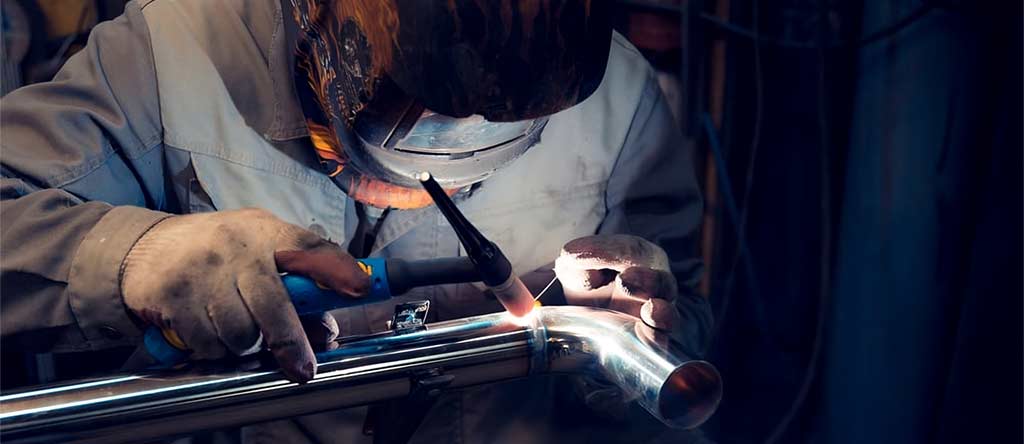
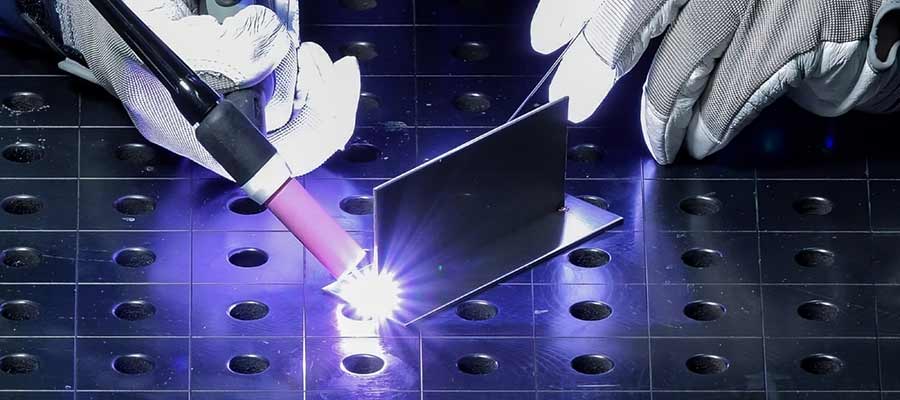
- Welding, fastening, and finishing
- Final inspection and quality checks
Every step keeps the part consistent, accurate, and ready for real-world use.
Current Trends in U.S. Fabrication
What’s shaping the industry:
- More CNC automation and robotic forming
- Rising demand for lightweight and corrosion-resistant materials
- Faster turnaround using digital quoting tools
- Increased focus on recycling and low-waste manufacturing
Shops across the U.S. investing in speed, accuracy, and efficiency. Customers benefit directly.
FAQs
Which industries benefit most from custom sheet metal fabrication?
Manufacturing, construction, aerospace, automotive, medical, and electronics. All rely on custom-fabricated parts.
How long do custom parts typically last?
Many last 10-25 years or more. Depends on the metal and operating environment.
Are custom parts more expensive?
More upfront, usually less over time. Better fit. Longer life. Fewer failures.
What metal thicknesses are available?
Commonly anything from thin sheet (around 0.020″) to thick plate (1″ or more).
How fast can a shop make custom parts?
Lead times often run 1-4 weeks in the U.S. Depends on complexity and quantity.
Can custom fabrication handle small quantities?
Absolutely. Prototypes, one-offs, short runs—all standard. CNC makes low-volume work practical.
Why Styner Machine Tools
Styner Machine Tools delivers high-quality CNC sheet metal fabrication. Modern laser cutting, advanced press braking, precision machining, fast-turn prototyping.
Lightweight aluminum parts. Rugged stainless steel components. Complex assemblies for industrial equipment.
We build parts that last and perform. Period.
Precision manufacturing. Experienced team. Quality standards that don’t compromise. That’s Styner.