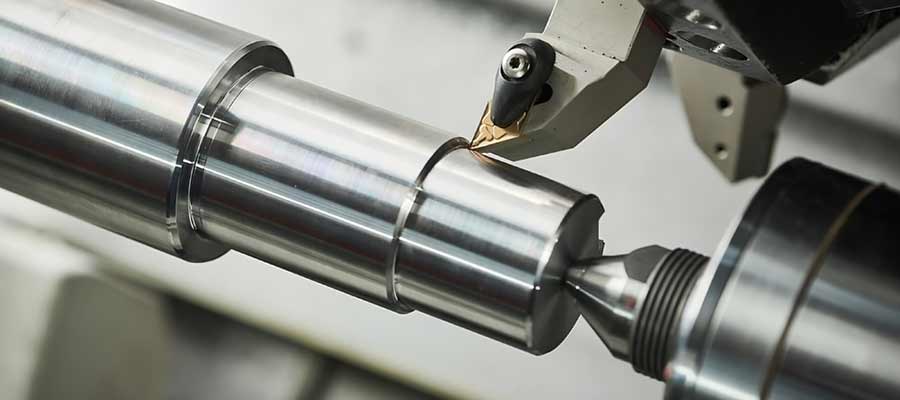
CNC machining is changing. Fast. Smarter automation, artificial intelligence, and connected systems are reshaping how manufacturers think about production. Quicker turnarounds. Tighter tolerances. More flexibility than most people realize. That’s where the industry is heading.
Snapshot: CNC Machining at a Glance
| Feature | Details |
| Lifespan | 10–20 years with proper maintenance |
| Average Cost | $50,000–$250,000 for mid-to-high-end industrial machines |
| Capabilities | Milling, turning, prototyping, precision parts, automated post-processing |
| USA Trend | Growing adoption of AI-assisted CNC and robotics for faster, high-precision production |
Smarter Automation and Lights-Out Manufacturing
Automation in CNC machining? Not new. But the way it’s evolving right now? Different story.
Machines aren’t just following instructions anymore. They’re practically thinking for themselves. Robots load materials. Swap tools. Even check quality without a single person watching. Like having an invisible crew working around the clock. Sounds wild, but that’s the reality now.
Here’s the thing. Lights-out manufacturing is real. Machines running overnight. Weekends. Minimal human supervision. Sensors catch problems early. Self-diagnostics keep everything humming along. Predictive maintenance software handles the rest. The results? Higher productivity. Shorter production cycles. Fewer interruptions. Simple math.
And it doesn’t stop at the machines themselves. Deburring robots. Inspection stations. Conveyor-fed production cells. All working together as smart cells. End-to-end solutions that let manufacturers scale up without killing quality. More output. Faster. Consistent. That’s the whole point.
AI, Machine Learning, and Predictive Optimization
AI in CNC machining isn’t some sci-fi fantasy. It’s here. Right now. Making operations more efficient than anyone expected.
Think of AI as a brain that learns from every single cut. Every run. It suggests optimal tool paths. Predicts when tools are wearing down and schedules maintenance before something breaks. Reduces energy consumption. Cuts material waste. Spots unusual machining behavior the instant it happens. No way around it—this changes everything.
Machine learning makes these systems smarter over time. They notice patterns humans would miss. Downtime drops. Output climbs. Even CAM software is getting an AI boost now. Tool recommendations. Sequencing. Part orientations. Saves time. Prevents mistakes. Trust me on that.
Connectivity and Industry 4.0 Integration
Industry 4.0. Sounds like jargon. Really, it just means connected, data-driven manufacturing. CNC machines talking to IoT devices. Cloud platforms. Enterprise systems. So what does that actually mean for manufacturers?
Real-time production monitoring. Even across multiple locations. Performance data from every machine collected and analyzed automatically. Remote diagnostics without an engineer on-site. Workflows that integrate seamlessly with supply chains and inventory systems. Big deal for operations teams.
Digital twins take it further. Virtual copies of your machines. Engineers simulate operations and optimize processes before touching a single part. Mistakes happen virtually. Not physically. Saves time. Reduces errors. Worth considering for anyone serious about modernization.
One catch. More connectivity means more responsibility. Cybersecurity matters now. Protecting sensitive production data isn’t optional anymore. Period.
What Affects CNC Performance and Costs
Wonder why CNC machining costs vary so much? Few factors make a real difference.
Material choice. Aluminum, steel, plastics—they all cut differently. Affects tool wear. Affects speed. Machine complexity matters too. Multi-axis machines deliver precision but cost more upfront. Production volume plays a role. Automation pays off bigger on larger runs. And local labor and energy costs? Regional differences impact overall pricing more than most people realize.
Understanding these factors helps manufacturers make smarter investment decisions. Makes sense.
Step-by-Step Framework for CNC Modernization
Modernizing CNC operations sounds complicated. Doesn’t have to be. Here’s a roadmap that works.
Step 1: Assess Current Production
Identify bottlenecks. Find areas where automation can actually help. Be honest about what’s slowing things down.
Step 2: Choose the Right Technology
Multi-axis. AI-assisted. Robotic systems. Pick what fits your needs. Not what sounds impressive.
Step 3: Implement AI and Predictive Analytics
Optimize tool paths. Plan maintenance proactively. Reduce downtime before it happens.
Step 4: Integrate Connectivity
Link machines to digital twins. Cloud platforms. Enterprise systems. Data flows where it needs to go.
Step 5: Monitor, Adjust, Repeat
Use data to continuously improve speed, quality, and costs. Never stop refining.
Follow these steps. Production gets smarter. More efficient. Surprisingly hands-off.
CNC Trends in the USA
What’s happening across the country right now?
AI-assisted CNC machines are growing fast. Aerospace. Automotive. Medical devices. These industries are leading the charge. Lights-out operations are becoming standard for high-volume production. Sustainable practices are on the rise—energy-efficient machining, waste reduction, all that. And cybersecurity? Gaining importance every day as more machines get connected.
FAQs
How does AI improve CNC machining?
AI optimizes tool paths, predicts maintenance needs, reduces waste, and catches errors in real time. Huge difference in efficiency.
What is lights-out manufacturing?
Fully automated production. Machines run without human supervision. Often overnight or on weekends. Productivity goes way up.
Why are digital twins important?
They let engineers simulate operations virtually. Mistakes happen in the simulation. Not on the shop floor. Saves time. Reduces errors.
What affects CNC machining costs?
Material choice. Machine complexity. Production volume. Local labor and energy rates. All play a role.
How can small manufacturers benefit from Industry 4.0?
Connecting machines to cloud systems and AI analytics improves efficiency. Reduces downtime. Enables competitive scaling even for smaller operations.
Is CNC automation worth the investment?
For most manufacturers, yes. Higher throughput. Lower labor costs over time. Better consistency. The payoff is real.
Why Styner Machine Tools
Styner Machine Tools has been delivering precision CNC machining, robotic integration, and advanced automation solutions across the USA for decades. Manufacturers trust us to modernize operations. Boost throughput. Maintain consistent quality. That’s what we do.
Our team brings deep experience in everything from multi-axis machining to predictive maintenance implementation. Whether you’re upgrading equipment or building out a full lights-out operation, we help you get there. Precision manufacturing. Experienced team. Quality standards that don’t slip. That’s Styner.