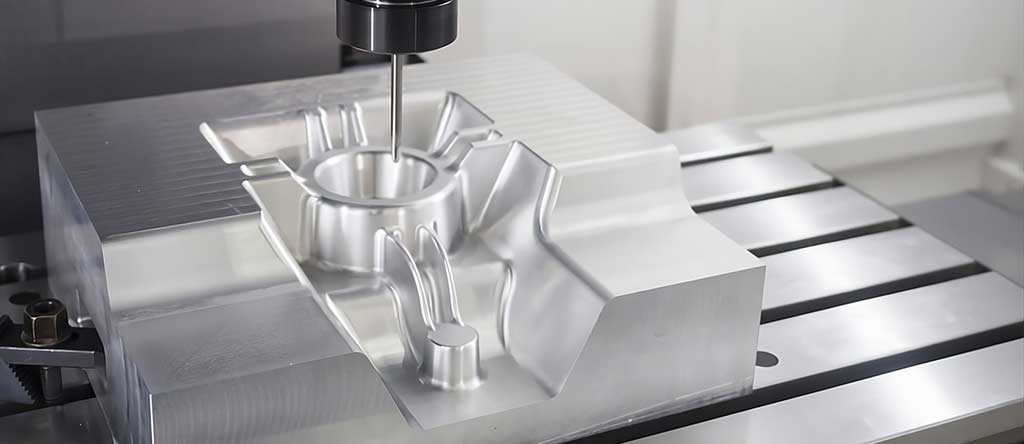
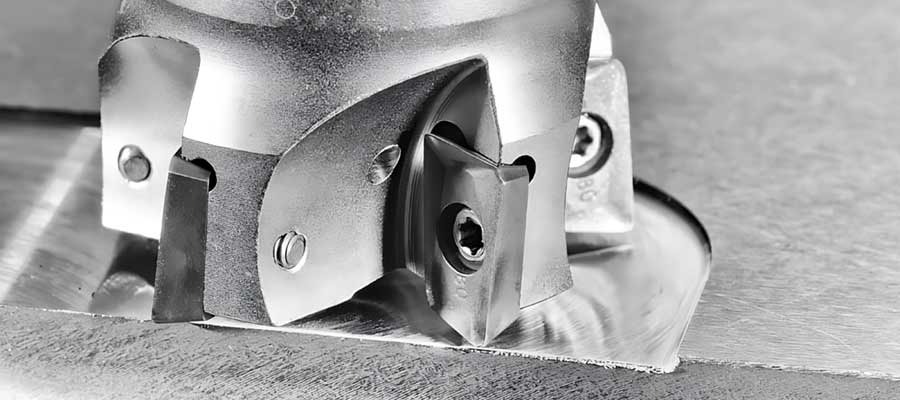
Lot of people assume CNC machining and 3D printing compete with each other. Wrong. Totally wrong. They actually work better together than apart. CNC brings the precision. The strength. Real production materials you can actually trust. 3D printing? That’s your speed play. Crazy geometries nobody could mill in a million years. Combine them and suddenly rapid prototyping isn’t just a buzzword anymore.
Snapshot: What You Need to Know
| Category | Details |
| Best Use | Fast design testing, functional prototypes, tight-tolerance parts |
| Typical Timeline | Hours to a few days depending on part size and finishing needs |
| Cost Range | 3D prints: $20–$300 | CNC prototypes: $150–$1,500+ |
| USA Trend | Prototyping demand climbing as development cycles shrink |
| Outlook | Hybrid workflows expanding with better metals, composites, plastics |
Why Teams Use Both CNC and 3D Printing
Prototyping comes down to one thing. Speed. How fast can you learn what works and what doesn’t?
Engineers hate wasting time. Hate wasting budget even more. They want to test something, see if it’s garbage or gold, then move on. Refine it. Get closer to a final design without lighting money on fire. That’s literally the whole game.
Here’s what most people miss though. CNC and 3D printing do completely different things well.
3D printing? Great for weird shapes. Internal cavities. Thin walls. Organic stuff that would take forever to mill. Fast builds too. CNC machining is the opposite end of the spectrum. Tight tolerances. Surfaces that actually look finished. Parts strong enough to survive real testing. Apples and oranges, honestly.
Use both and you cover all your bases. Quick concept models early on. Functional prototypes later that could pass for production parts. Sounds obvious when you say it out loud.
CNC Precision Meets 3D Printing Complexity
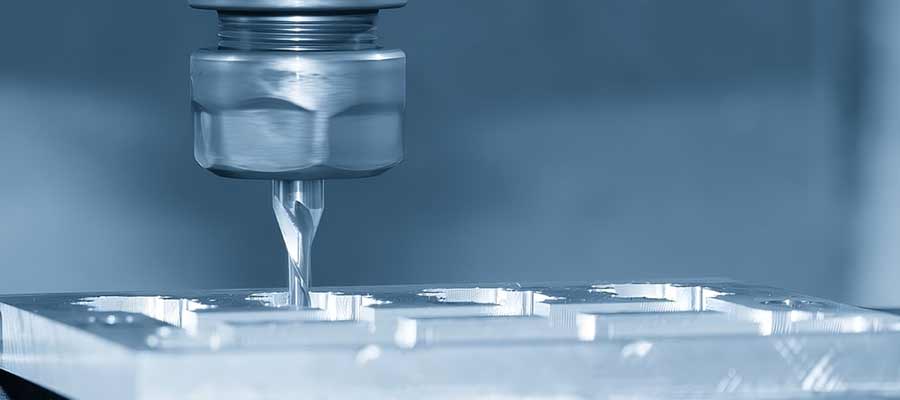
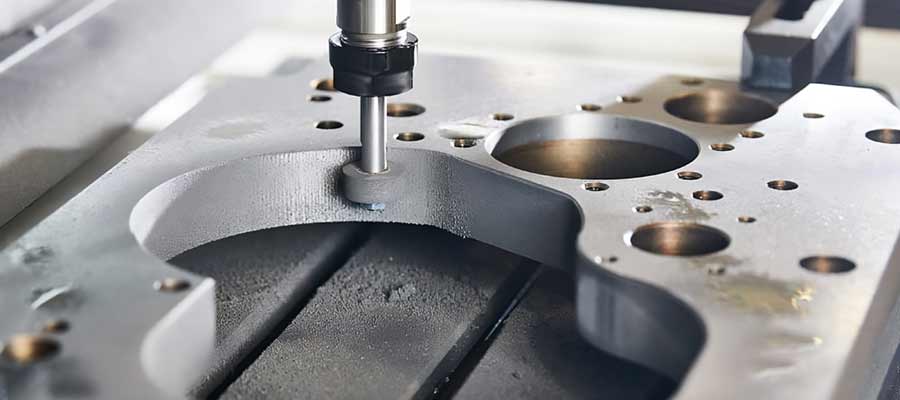
CNC machines are accuracy monsters. Clean edges. Tolerances so tight they’d make a Swiss watchmaker jealous. Tapped holes that actually work. Mating surfaces that fit right the first time. When you need that level of precision? Nothing else comes close.
Problem is, early concepts are messy. Curves everywhere. Undercuts. Hollow sections. Organic shapes that would eat up machining time like crazy. Mill all that from a solid block? Good luck. This is exactly where 3D printing earns its keep.
So how do you actually combine them? Print the core geometry first—all those internal features that are a nightmare to machine. Then switch to CNC for the outside surfaces. The stuff that needs to be flat. Aligned. Threaded. You can also bond printed sections to machined inserts. Opens up designs that would be impossible otherwise. Seriously impossible. Not exaggerating.
Faster Iterations and Shorter Development Cycles
Speed kills the competition. Always has.
Print a rough prototype in a few hours. Check if it fits in your hand right. See if it looks stupid or not. Test basic function. That’s your morning. Afternoon you’re already making changes.
Shape looks good? Great. Now bring in CNC. Stronger materials. Better tolerances. A prototype you can actually demo to clients without embarrassment. Maybe even throw it in the field for real testing.
This two-phase approach saves weeks. Sometimes months. Problems show up early when fixes are cheap. Not later when you’ve already tooled up and everything costs ten times more to change.
Material Flexibility and Performance Advantages
Materials matter more than people think. Way more.
CNC gives you the good stuff. Aluminum. Steel. Stainless. Titanium if you’ve got the budget. Engineering plastics too—Delrin, Nylon, PEEK. Materials that behave like they would in real production. Load them up. Stress them out. See what breaks.
3D printing plays a different game. Lattice structures that weigh almost nothing. Rubber-like resins. Crazy detailed photopolymers. Specialty stuff for heat resistance or chemical exposure. Different toolkit entirely.
Want a real example? Print a lightweight lattice interior. Machine an aluminum shell around it. Bolt them together. Strong and light. Aerospace teams do this all the time. Automotive too. Medical devices. Consumer products. Works across the board.
Lower Costs and Reduced Waste
CNC machining is subtractive. Start with a block. Cut away everything that isn’t your part. More complexity means more cutting. More time. More material in the recycling bin.
3D printing flips that completely. Only uses what the part actually needs. Nothing wasted.
Here’s the money play. Print something close to final shape. Then machine just the critical surfaces—the stuff that actually requires precision. Skip the full-block machining entirely.
Less scrap. Fewer machine hours. No special tooling sitting in a drawer. Faster turnaround. For shops in the US especially, this cost angle is huge. Massive even.
Industries Leading the Hybrid Prototyping Trend
Some industries figured this out faster than others.
Aerospace
Brackets that need to weigh nothing. Airflow parts. Duct systems with CNC-quality surfaces on the outside. Weight savings are everything up there.
Automotive
Concept parts that ship in days not weeks. Under-hood components. Fixtures that need complex geometry and serious strength at the same time.
Medical Devices
Surgical instruments. Custom prosthetics. Patient-matched models. Anything requiring biocompatible materials and tight tolerances together.
Consumer Products
Handles. Housings. Electronics enclosures. Ergonomic stuff that goes through ten revisions before anyone’s happy with it.
Trend keeps accelerating too. Both technologies improving fast. Better materials every year.
How to Combine CNC and 3D Printing: A Step-by-Step Plan
Not complicated once you see the workflow.
Step 1: Initial CAD Design
Build out the full concept digitally. Think about which features suit printing versus machining from the start.
Step 2: Print the First Iteration
Quick and dirty prototype. Check the basics. Does it look right? Feel right? Work at all?
Step 3: Adjust and Refine
Fix what’s broken. Print again if needed. Might take a few rounds. Normal.
Step 4: Move to CNC for Precision Features
Geometry locked? Good. Machine the surfaces that actually matter now.
Step 5: Build Hybrid Assemblies
Printed guts plus machined shells. Threaded inserts where needed. Whatever the design requires.
Step 6: Final Review and Field Testing
Put it through its paces in real conditions. Then and only then think about full production.
USA Trends and Local Outlook
American manufacturers are catching on fast. Lead times getting tighter everywhere. Supply chains coming back domestic. Nobody wants to pay for expensive tooling if they don’t have to. New materials hitting the market constantly. Customers demanding faster innovation cycles than ever before.
Shops near major cities especially—if you can turn prototypes days faster than the old-school competition, that’s a real advantage. Not theoretical. Actual competitive edge.
CNC vs 3D Printing: Quick Comparison
| Factor | CNC Machining | 3D Printing |
| Speed | Slower for complex parts | Faster for initial prototypes |
| Precision | Tight tolerances, excellent | Moderate, varies by method |
| Geometry | Limited by tool access | Complex shapes, internal features |
| Strength | Production-grade materials | Varies, often lower |
| Cost (Low Volume) | Higher setup costs | Lower for single parts |
FAQs
Why combine CNC machining and 3D printing?
Different tools for different jobs. Printing handles speed and weird geometries. Machining handles precision and strength. Together they cover basically everything.
Is hybrid prototyping more expensive?
Usually cheaper actually. Print near-net shapes and you cut way down on machining time. Less material waste. Less tooling. Math works out.
Which technology makes stronger prototypes?
CNC parts from solid stock are stronger. Period. Printed parts win on complexity. Pick based on what you actually need.
Can hybrid prototypes be used for functional testing?
All the time. Print early versions for fit checks. Machine later versions for real stress testing. Standard practice at this point.
What materials work best for hybrid prototypes?
Depends on the application. Common combos: printed resins or composites for internal bits, aluminum or stainless or Delrin for machined sections.
How long does hybrid prototyping take?
Few hours to a few days. Complexity and finishing needs drive the timeline. Still way faster than waiting on traditional tooling.
Why Styner Machine Tools
Styner Machine Tools works with manufacturers across the US. Precision CNC machining. Short-run prototyping. Advanced fabrication when projects get complicated. Need printed concept models and machined functional parts? We do both. Hybrid solutions too.
Been doing this for decades. Multi-axis machining. Rapid prototyping workflows. Quality standards that actually mean something. Experienced team that’s seen it all. Precision manufacturing done right. That’s what Styner brings to the table.