CNC technology improves metal casting at every stage. Patterns. Molds. Final machining. More accurate. Faster. Far more consistent. That’s not theory. That’s what actually happens when you bring modern CNC into a casting workflow.
Snapshot: What CNC Brings to Metal Casting
| Category | Details |
| Mold/Pattern Lifespan | CNC-machined metal molds typically last 5–10+ years depending on heat cycles and alloy used |
| Cost Range | CNC pattern making often starts in the hundreds; precision post-machining varies by size, alloy, and tolerance needs |
| Best For | Complex castings, tight-tolerance components, prototypes, short-run production, and replacement parts |
| Speed Advantage | CNC tooling and post-machining typically reduce lead time by 30–50% over manual methods |
| Local Insight (USA) | Growing demand from aerospace, EV, robotics, and automation sectors has increased reliance on CNC-supported casting for accuracy and repeatability |
Understanding the Metal Casting Process
Metal casting is old. Really old. One of the oldest ways to create metal parts. You form a cavity. Pour molten metal in. Let it cool. The metal takes the shape of the mold.
Basics haven’t changed for thousands of years. But accuracy expectations? Different story.
Traditional casting follows a pretty straightforward path. Pattern creation comes first—you make a physical model of the final part. Then mold making. Forming a cavity from sand, ceramic, or metal. After that it’s melting and pouring, filling the mold with molten metal. Cooling and removal. And finally finishing, where you remove excess material and refine dimensions.
Efficient process. But problems show up. Shrinkage. Distortion. Surface variation. These are common. That’s why modern shops use CNC machining to control everything from start to finish.
Where CNC Technology Improves Metal Casting
Precision Pattern and Mold Making
Patterns used to be made by hand. Small differences crept in from part to part. Not anymore.
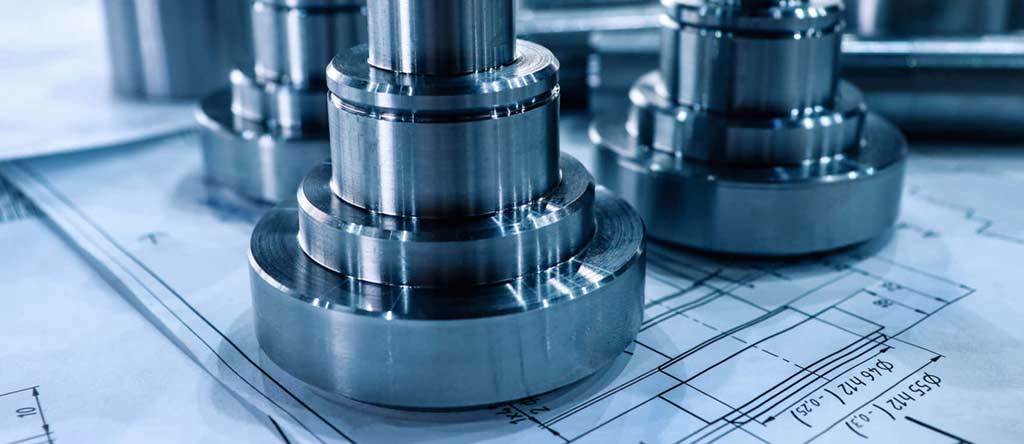
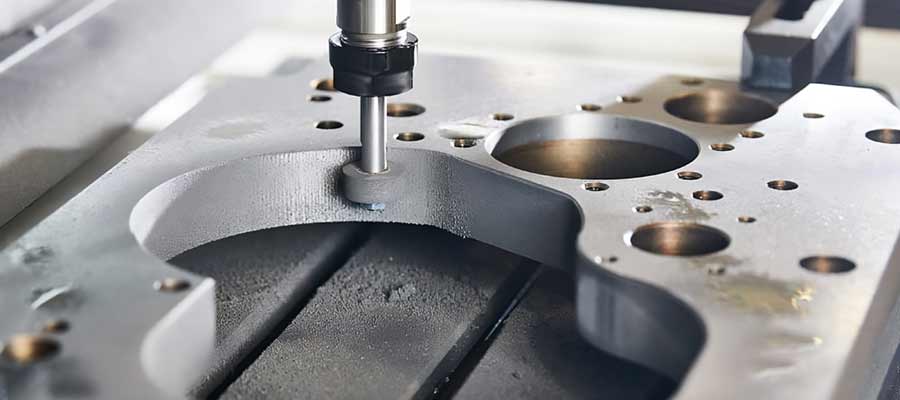
Today’s CNC milling creates patterns directly from CAD models. Tight, repeatable tolerances. Smooth surfaces that reduce mold defects. Faster turnaround for prototype tooling. Better control over shrinkage allowances. Makes sense.
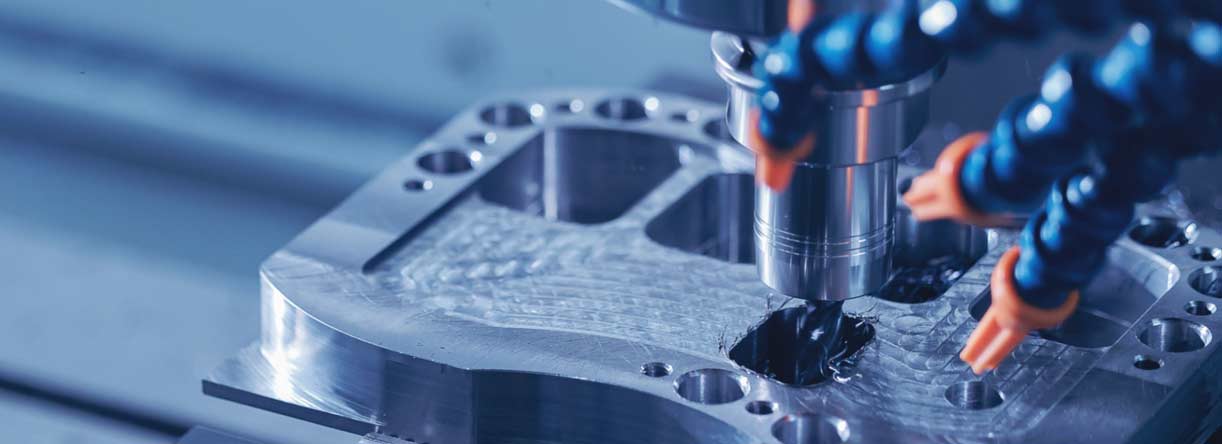
CNC also machines permanent molds and investment casting dies. Complex shapes that once required manual shaping or carving? Cut accurately in hours instead of days. That’s the whole point.
Better Control Over Critical Features After Casting
Here’s the thing. Even with the best molds, cast parts rarely come out perfect. That’s where post-processing with CNC enters the picture.
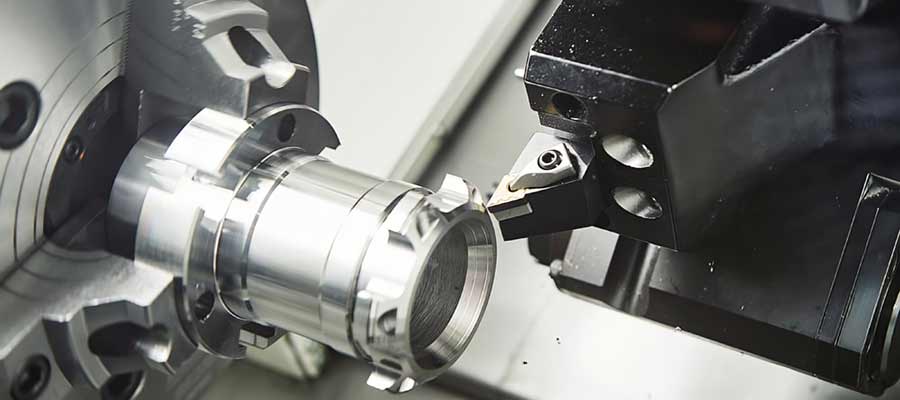
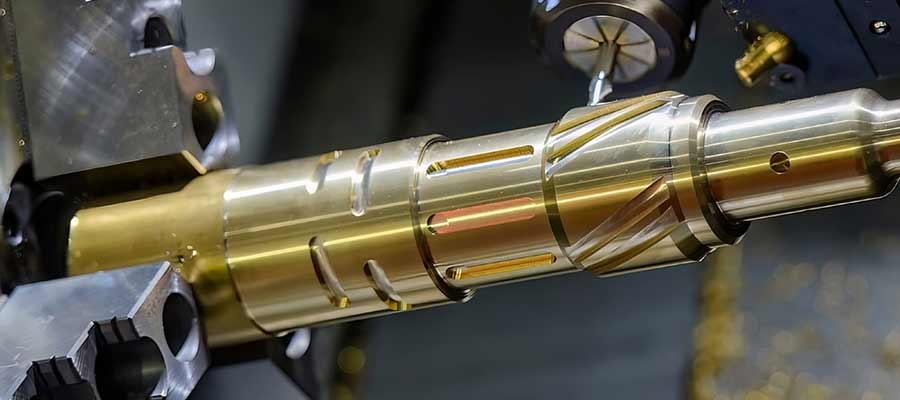
CNC machining refines flat surfaces and mounting faces. Holes, slots, keyways, and threads. Edge finish and surface smoothness. Corrective machining for warping and shrink variations.
Shops commonly pair CNC machining with 3D scanning or CMM inspections. Compare the cast part to its digital model. Adjust toolpaths as needed. This creates the accuracy demanded in aerospace, robotics, automotive, and defense. Trust me on that.
Faster Prototyping and Low-Volume Production
Casting works great for large batches. But expensive tooling makes short runs tricky. CNC closes that gap.
Quick creation of small-batch molds. Prototype patterns. One-off or limited-run replacement parts. Custom industrial components. All doable.
Engineers can test real cast parts before committing to high-cost production tooling. Saves money. Saves lead time. Worth considering.
Benefits of CNC-Enhanced Casting
Higher Accuracy. CNC-machined molds and precision-machined cast parts stay close to spec. Even with complex shapes.
Lower Cost. Consistent casting and accurate post-machining reduce scrap, rework, and wasted material. Simple math.
Faster Lead Time. Automation speeds up pattern production, mold cutting, and final machining. Time is money.
Better Surface Quality. CNC finishes remove roughness from cast surfaces. Less manual grinding or polishing needed.
Greater Design Freedom. CNC allows for undercuts, fillets, draft angles, and fine details. Things that are difficult or impossible to achieve by hand. No way around it.
Casting vs. CNC Machining: How They Compare
| Feature | Metal Casting | CNC Machining | CNC + Casting Combo |
| Best for | Large volumes, complex shapes | High precision, low to mid volume | High-precision cast parts |
| Cost efficiency | Excellent for bulk orders | Higher for large parts | Balanced |
| Surface finish | Rougher | Very smooth | Smooth where needed |
| Tolerance control | Moderate | Excellent | Excellent |
| Material waste | Low | Medium/High | Lower overall |
Most industrial manufacturers prefer casting for shape plus CNC for precision. Hybrid approach. Strength, accuracy, and cost control all in one. Makes sense.
Key Factors That Affect Accuracy and Cost
Every cast or CNC-cut part gets influenced by several drivers. Know them.
Part Size and Geometry. Complex details or deep cavities require more machining time. Bigger parts take longer. Period.
Mold Material matters. Sand molds are cheap but less durable. Metal or ceramic molds last longer but cost more upfront.
Alloy Type affects everything. Harder metals like stainless steel or nickel-based alloys require slower machining speeds. That’s just physics.
Tolerance Requirements drive cost. Tighter tolerances mean more machining time and additional inspection steps. No shortcuts.
Quantity changes the math. Large batches lower cost per part. Small runs benefit from CNC-assisted patterns.
Step-by-Step Framework for CNC-Enhanced Casting
Step 1: CAD Modeling. Engineers design the part with shrinkage allowances and gating considerations built in. Get this wrong and everything else suffers.
Step 2: CNC Pattern or Mold Fabrication. CAD files go directly into CNC milling for high-precision tooling. No hand-crafting. No guesswork.
Step 3: Casting. Molten metal gets poured into the mold using the appropriate casting method. The part takes shape.
Step 4: Cooling and Inspection. Parts are scanned or measured to identify deviations. Find problems early.
Step 5: CNC Machining. Critical dimensions, surfaces, and holes get completed. This is where precision happens.
Step 6: Final Finishing. Deburring, polishing, or coating based on application. Done right.
This workflow creates strong castings with machining-grade precision. That’s the whole point.
Current Trends in the USA
Growth in aluminum and stainless steel castings is happening across EVs, aerospace, automation, and robotics. Demand keeps climbing.
More hybrid casting plus CNC workflows are reducing supply-chain delays. Shops want control. They’re getting it.
Digital twins and scanning are becoming standard for tolerance verification. Not optional anymore.
Faster prototyping cycles as companies move toward local manufacturing rather than overseas tooling. Different story than five years ago.
CNC-supported casting is now the preferred approach for shops needing speed, flexibility, and repeatability. No way around it.
FAQs
Why does CNC machining matter in metal casting?
CNC ensures the pattern, mold, and finished part meet tight tolerances. Reduces rework. Improves consistency. That’s the bottom line.
Is CNC machining required for every cast part?
Not always. But it’s essential when a part needs precise holes, threads, flat surfaces, or accurate fitment. Most precision applications require it.
What types of metals can be cast and then machined?
Common choices include aluminum, steel, iron, brass, bronze, and specialty alloys used in aerospace and medical applications. Pretty much any castable metal.
Does CNC make casting more expensive?
Upfront? Yes. But it usually lowers overall cost by cutting scrap, speeding up production, and improving accuracy. Simple math.
How long does a CNC-machined mold last?
Metal molds can last 5–10+ years depending on material, temperature cycles, and production volume. Solid investment.
Can CNC handle complex casting geometries?
Absolutely. Multi-axis CNC machines handle undercuts, fillets, and intricate details that would be nearly impossible to achieve by hand. That’s where it really shines.
Why Styner Machine Tools
Styner Machine Tools supports manufacturers across the USA with precision CNC machining, pattern building, prototype tooling, and post-casting finishing.
One-off replacement part? We handle it. Full production run? Same deal. Our team helps you move from CAD model to finished component with accuracy and speed.
Decades of experience. Quality standards that don’t bend. Timelines we actually meet.
Ready to improve your casting workflow? Styner Machine Tools is your partner.