Watch any construction crew work. Architects sketching ideas. Fabricators cutting materials. Tons of creativity happening. Also tons of headaches. Getting every detail right. Staying on schedule. Not wasting materials. It’s a lot to juggle.
That’s where CNC technology comes in. And honestly? It’s kind of a big deal.
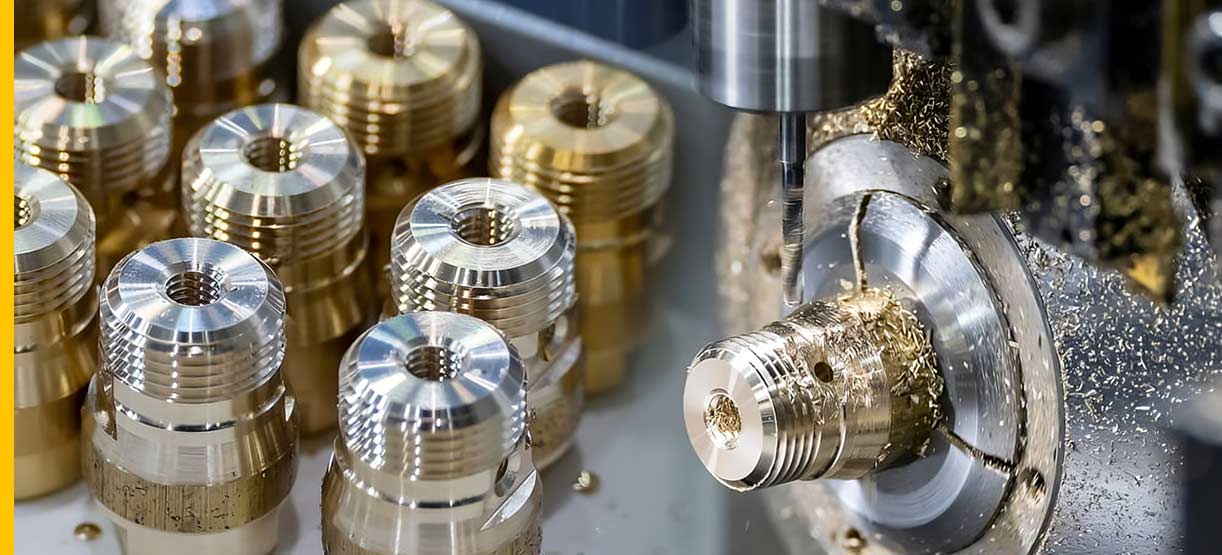
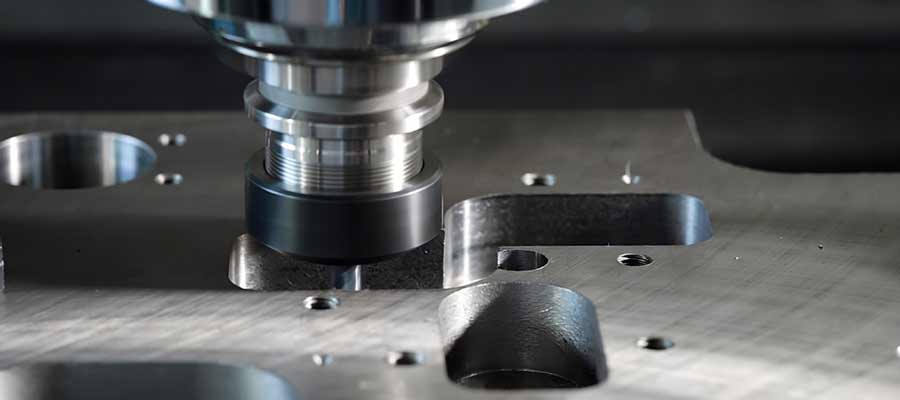
Simple version: CNC machines take digital designs and turn them into perfectly crafted real-world components. No guesswork. No eyeballing measurements. Just precision and consistency every single time. Architects love it. Fabricators love it. Anyone who’s ever dealt with parts that don’t fit loves it.
Snapshot: CNC Technology at a Glance
| Feature | Details |
| Lifespan | 10–20 years with proper maintenance |
| Cost Range | $20,000 entry-level to $500,000+ for advanced multi-axis setups |
| Materials | Metals, wood, plastics, composites, stone, engineered materials |
| USA Availability | Fabrication services within 20 miles of most urban centers |
| Key Benefits | Precision, efficiency, custom design, less waste, structural reliability |
Why CNC Technology Matters More Than Ever
Precision You Can Actually Count On
CNC machines work directly from digital designs. Parts come out matching the plans exactly. No rounding. No “close enough.” If the model says a panel needs to be 18.25 inches with a curved bevel, that’s what you get. Exactly that.
This kind of accuracy isn’t just about looking good. It makes buildings safer. More structurally sound. Fewer callbacks. Fewer problems down the road.
Faster Projects and Fewer Headaches
Construction delays cost money. Stress everyone out. CNC fabrication prevents a lot of those problems before they start.
Parts cut and shaped automatically. No worrying about misaligned joints. Pieces that don’t fit. Reworking mistakes on-site. Inconsistent craftsmanship between different workers. All that goes away.
Builds move faster. Workers stay productive. Projects actually hit their schedules. Every contractor’s dream right there.
Design Freedom Like Never Before
Here’s what gets designers excited. CNC opens up creative possibilities that used to be impossible. Or at least impossibly expensive.
Want curves? Done. Geometric cutouts? Easy. A façade with patterns no human hand could carve consistently? Already handled. Multi-axis machines turn ambitious architectural concepts into real, buildable components.
Used to be that complex designs got shot down as “too complicated” or “too expensive.” Not anymore. Totally doable now.
Less Waste and More Sustainability
CNC is extremely precise. Uses only the material it needs. No giant chunks of wood, metal, or stone ending up in the dumpster because someone measured wrong or cut crooked.
Good for budgets. Good for workflow efficiency. Good for the planet. A lot of builders today want to reduce environmental impact. CNC makes that way easier.
Materials CNC Can Handle
Another reason CNC keeps gaining popularity? Works with almost everything.
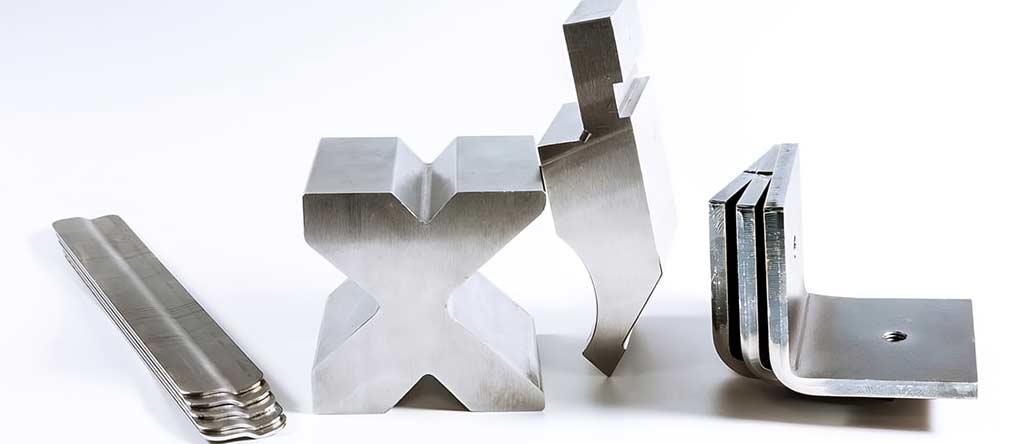
Wood. Aluminum and steel. Plastics and acrylics. Stone. Composites. MDF and engineered materials. The list goes on. Builders can mix and match without switching methods or retooling constantly. Flexibility matters.
What a CNC-Driven Construction Process Looks Like
Here’s how CNC fits into a typical project. Nothing complicated.
Step 1: Start With a Digital Model
Designers create detailed CAD files. Everything starts there.
Step 2: Select the Right Material
Wood, aluminum, stone, composite—whatever the job needs. CNC handles it.
Step 3: Program the Machine
Digital model gets translated into machine instructions. Toolpaths. Speeds. Depths. All figured out beforehand.
Step 4: Fabricate With Precision
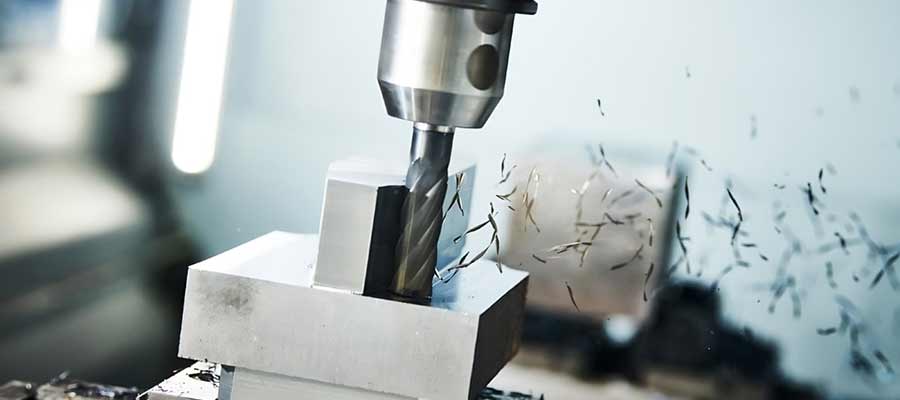
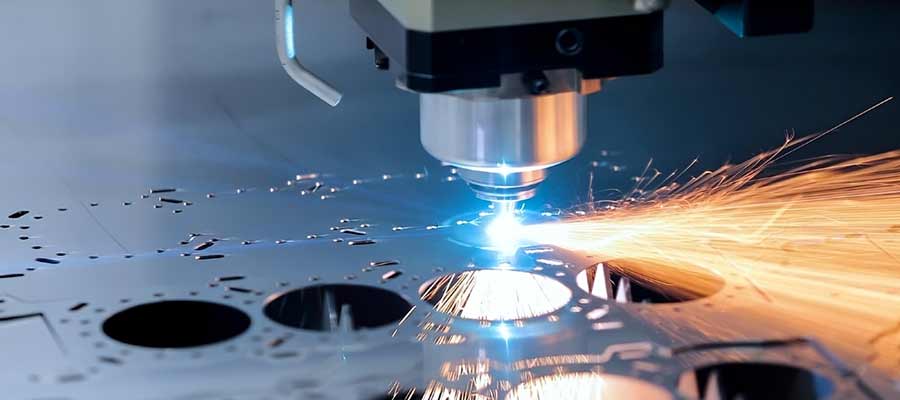
Cutting. Milling. Shaping. Engraving. Whatever the component needs. Machine does it exactly as programmed.
Step 5: Deliver Ready-to-Install Parts
Everything arrives on-site already accurate and consistent. No surprises.
Step 6: Quick Assembly
Parts fit the first time. Build crews work faster. Fewer corrections. Less frustration.
Basically the opposite of “measure twice, cut once.” Now it’s “program once, cut perfectly every time.” Big difference.
How CNC Fits Into Today’s US Construction Industry
Across the country, CNC is getting easier to access. Most metro areas have fabrication shops or machine suppliers within 20 miles. Modular construction and prefabrication trends have made CNC a staple for companies trying to reduce on-site labor.
Few trends worth watching. Robotics combined with CNC for advanced shapes. Custom metal and wood panels becoming standard design elements. More sustainable builds thanks to optimized material use. Faster project timelines with prefabricated CNC-made parts.
CNC isn’t “the future” anymore. It’s what’s happening right now.
FAQs
Can CNC really handle complex architectural designs?
Absolutely. That’s actually one of its biggest strengths. Curves, patterns, intricate cutouts—no problem.
Is CNC practical for smaller projects?
Yes. Even small jobs benefit from the precision and reduced labor time. Not just for massive builds.
Is the equipment expensive?
Machines range from around $20K for basic systems to $500K+ for advanced setups. But here’s the thing—most builders don’t need to own one. Local CNC shops handle the work affordably. Outsource and save.
Does CNC reduce waste?
Significantly. Optimized cutting paths use only the material necessary. Less scrap. Better margins.
How long do CNC machines last?
Most machines last 10–20 years when maintained properly. Good investment over time.
Do I need CNC experience to work with a shop?
Not at all. Just bring your CAD files or even sketches. Good shops handle the technical side.
Why Styner Machine Tools
Styner Machine Tools helps builders and fabricators get more out of CNC. Custom architectural elements. Structural components. Streamlined workflows. Whatever the project needs.
Decades of experience. Precision manufacturing that actually delivers. Quality standards that mean something. If you’re exploring CNC solutions for construction or fabrication, we can help. That’s what Styner does.