CNC turning produces some of the most accurate metal parts you’ll find anywhere. Repeatable too. Same part, thousandth time, still perfect. That’s why precision fabrication shops across the US keep coming back to it.
Snapshot: What You Should Know
| Category | Details |
| Typical Tolerance | ±0.0002″ to ±0.001″ depending on material, toolpath, setup |
| Surface Finish | 8–16 µin Ra standard; smoother possible with optimized tooling |
| Common Materials | Aluminum, stainless, titanium, brass, copper alloys, tool steels, plastics |
| Cost Range (USA) | $40–$250+ per part depending on geometry, volume, finishing |
| Part Lifespan | Years to decades depending on load, wear, environment |
| Ideal Use Cases | Shafts, bushings, fasteners, nozzles, medical screws, aerospace pins, connectors |
Understanding CNC Turning and Why It Matters for Precision
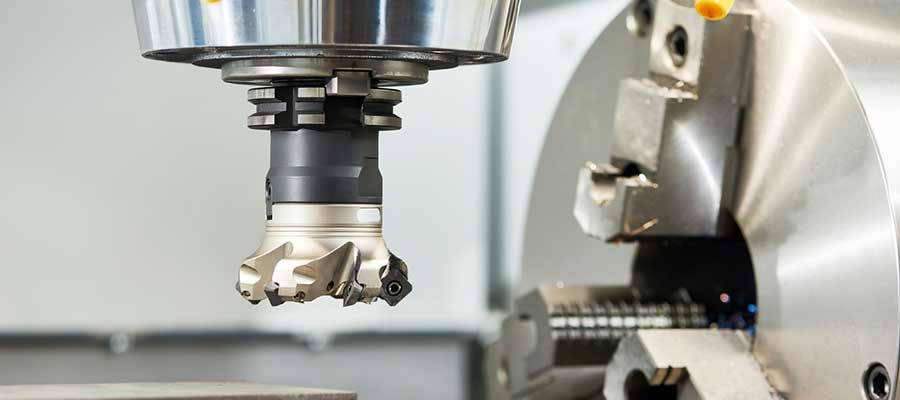
CNC turning is pretty straightforward in concept. Cutting tool meets rotating metal. Shapes it into something precise. Most people think it’s only good for round parts. Wrong. Modern turning centers do way more than that.
Multi-axis machines can cut flats. Grooves. Threads. Contours. Complex internal features. All in one setup. No moving the part around. No stacking errors.
Here’s where it gets interesting. Everything runs on digital control. Engineers build a CAD model. Convert it to CAM toolpaths. Generate G-code that tells the machine exactly what to do. Every single motion controlled electronically. Accuracy down to microns. That kind of precision matters when parts need to fit together perfectly. Bushings. Nozzles. Shafts. Surgical screws. Hydraulic fittings. No room for slop.
Today’s turning centers pack even more capability. Live tooling. Sub-spindles. Swiss-type configurations. These machines drill, mill, slot, and tap at multiple angles without a second setup. Fewer setups means fewer chances to screw something up. Tighter consistency part to part.
For aerospace, medical, electronics? Surface quality and concentricity are everything. CNC turning delivers smooth finishes and uniform roundness. Less wear on moving parts. Better sealing surfaces. Longer service life. Simple as that.
Where CNC Turning Fits in Modern Metal Fabrication
CNC turning shows up everywhere accuracy and repeatability matter. Speed too. Can’t have one without the others in production environments.
Aerospace uses it for landing gear pins. Actuator components. Fasteners that can’t fail. Medical device companies turn orthopedic screws, surgical handles, dental tools. Automotive relies on it for transmission parts, engine components, connectors. Industrial applications include hydraulic fittings, rollers, bushings, shafts. Consumer electronics need precision housings and connectors too.
Why do manufacturers keep coming back? Parts meet tolerances. First time. Every time. No extra hand-fitting. No rework. Just good parts out of the machine.
Key Benefits
High throughput. Machines run continuously with bar feeders and robotic loaders. Large runs stay efficient and repeatable.
Exceptional accuracy. Tight tolerances replicated across hundreds or thousands of parts. No drift.
Low material waste. Digital control catches mistakes before they happen. Optimized toolpaths conserve stock.
Better surface finishes. Smooth enough to skip secondary polishing in many cases. Saves time and money.
Cost-effective at scale. Optimized programs slash cycle time. Long-term production costs drop. Math works out.
CNC Turning vs Other CNC Processes
Turning is powerful but it’s not the only tool in the shop. Different jobs need different approaches.
CNC Turning vs CNC Milling
Turning excels at cylindrical and rotational parts. Faster for round geometry. Period. Milling handles flat surfaces, pockets, slots, prismatic shapes. Most precision shops use both. Different tools for different features. Combine them and you get full 3D part geometry.
Turning vs Laser and Waterjet Cutting
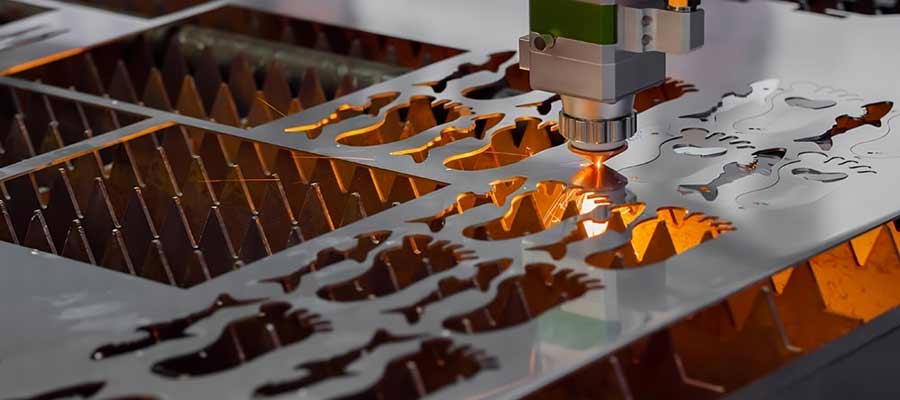
Turning removes material with cutting tools in physical contact. Laser and waterjet cut shapes from sheet or plate without tool pressure. Different processes entirely. Often complement each other. Cutting for shape. Turning for fine details.
Turning vs Manual Machining
Manual machines work fine for one-off prototypes. That’s about it. CNC turning delivers speed, precision, and consistency that manual processes can’t touch. Not even close.
What Affects CNC Turning Results and Pricing
Costs and performance vary. Sometimes a lot. Here’s what drives it.
Material Choice
Hardened steels and exotic alloys chew through tools faster. Take longer to machine. Cost more. Softer metals like aluminum or brass? Easier. Cheaper. Faster.
Part Complexity
Deep internal features. Ultra-tight tolerances. Long skinny parts that want to flex. All require special tooling or slower feeds. Adds time. Adds cost.
Tolerances and Surface Finish
Tighter the tolerance, more time the machine spends perfecting each pass. Same with surface finish requirements. Perfection costs.
Quantity
Higher volumes spread setup time across more parts. Cost per piece drops significantly. Basic economics.
Secondary Operations
Heat treatment. Anodizing. Plating. Polishing. All add time and expense. Sometimes required for durability or appearance though. No way around it.
Step-by-Step: How High-Precision CNC Turning Works
Here’s what happens at a good US machining shop.
Step 1: Engineering and CAD Review
Shop reviews your CAD model and drawings. Confirms dimensions. Tolerances. Materials. Catches problems before they become expensive.
Step 2: CAM Programming
Toolpaths designed to remove material efficiently and accurately. Good programming saves time on the machine.
Step 3: Machine Setup
Operator loads tools. Sets work offsets. Installs bar stock. Verifies cutting parameters. Everything dialed in before chips fly.
Step 4: First Article Inspection
First part gets measured carefully. Has to match the print exactly before full production starts. Catches any issues right away.
Step 5: Production Run
Machine executes the program. Continuous monitoring for tool wear or temperature shifts. Adjustments on the fly if needed.
Step 6: Quality Control
Each batch checked. Dimensions. Finish. Fit. Nothing ships without verification.
Step 7: Finishing and Delivery
Parts cleaned. Deburred. Packaged properly. Ready for customer delivery.
Current Trends in CNC Turning in the USA
Industry keeps evolving. Several trends shaping things right now.
Real-time digital monitoring for tool wear, spindle load, thermal drift. Catches problems before they ruin parts. Robotic loading enabling lights-out machining. Machines running overnight with nobody watching. Multi-axis Swiss turning for incredibly small, high-precision components. Digital twin simulations optimizing tooling and cycle times before cutting real metal. Demand surge for medical and aerospace parts requiring extreme precision. These innovations help shops produce tighter tolerances, faster turnarounds, more reliable results.
FAQs
What types of parts work best for CNC turning?
Anything cylindrical or rotational. Shafts. Pins. Bushings. Fasteners. Threaded components. If it’s round, turning handles it.
How accurate is CNC turning?
Modern machines hold tolerances between ±0.0002″ and ±0.001″ depending on material and geometry. Seriously tight.
Is CNC turning cost-effective for small batches?
Absolutely. Low-volume prototypes work fine, especially with quick-change tooling and optimized programs. Not just for big runs.
What materials can be turned?
Aluminum. Stainless steel. Titanium. Plastics. Brass. Copper alloys. Tool steels. Pretty much any machinable material.
Does CNC turning require secondary finishing?
Often the surface comes out smooth enough to skip polishing. But coatings or heat treatments might still be needed for specific applications. Depends on the job.
How long do turned parts last?
Years to decades. Depends on material, load, wear conditions, operating environment. Quality machining extends service life significantly.
Why Styner Machine Tools
Styner Machine Tools provides advanced CNC turning backed by decades of experience. Customers across the USA rely on us for precision work. Multi-axis turning centers. Full CAD/CAM workflow. Quality checks at every stage.
Need prototypes? We do that. High-volume production? Handle that too. Every part meets your exact specifications. Fast turnaround. Reliable results. That’s what Styner delivers.