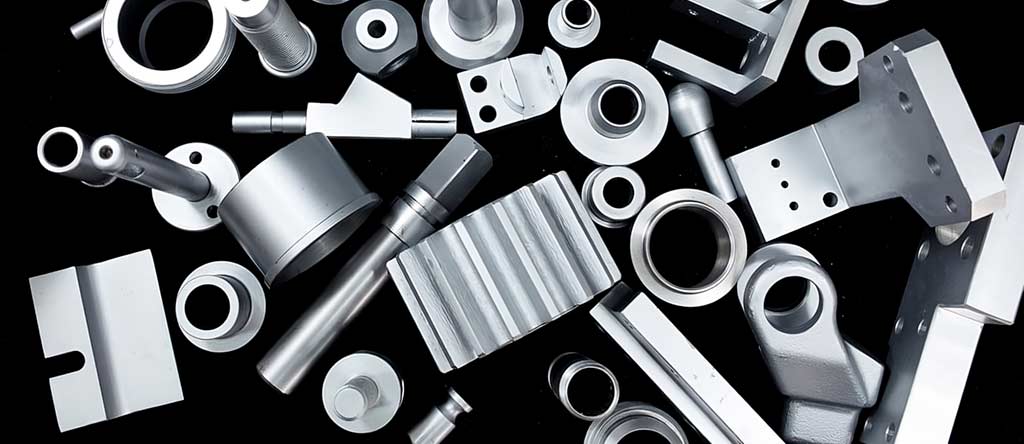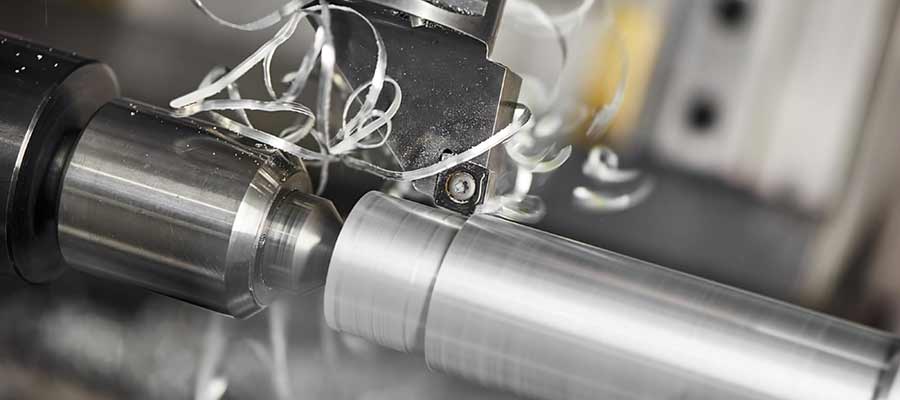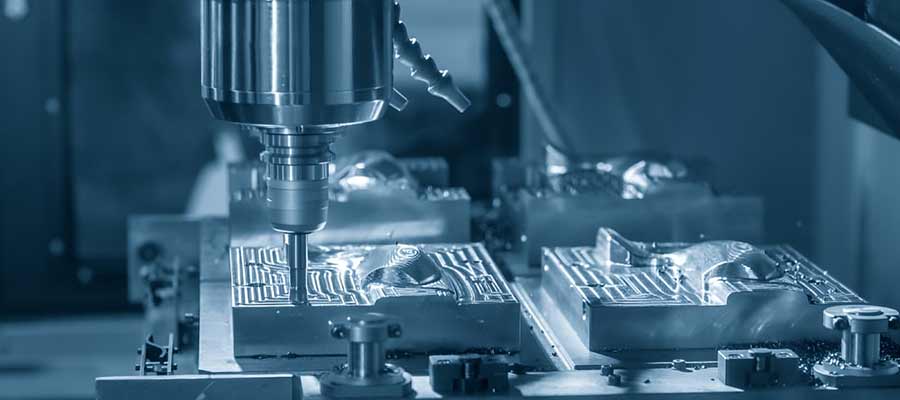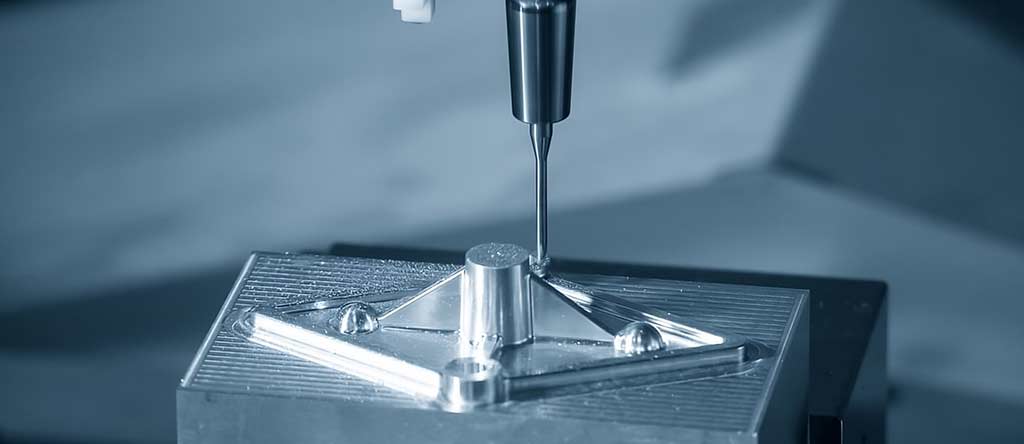
Custom CNC machined parts make product development better. Tighter tolerances. Faster prototypes. More reliable testing than most other methods can deliver. That’s not opinion. That’s just how it shakes out when you need real parts that actually work.
Snapshot: What You Need to Know
| Category | Details |
| How Long Parts Last | Weeks to several years. Depends on material and how hard you’re running them. |
| Typical Cost | $75 to $1,500+ per part. Complexity, materials, and tolerances drive that number. |
| Best Materials | Aluminum, stainless steel, Delrin/ABS plastics, titanium. Pick based on what you’re testing. |
| U.S. Take | Rising demand for fast, domestic CNC prototyping. Companies want speed and they want it local. |
Why CNC Machined Parts Matter in Product Development
Product development moves fast. Designers need parts that actually match their CAD files. Engineers need prototypes that survive real-world conditions. Manufacturers need a way to test form, fit, and function before betting on full production.
That’s where custom CNC machined parts earn their keep.
CNC machining uses computer-controlled cutting tools. Exceptional accuracy. Eliminates manual variability. Tolerances often within a few thousandths of an inch. Ideal for critical, test-ready components. No guesswork involved.
Precision That Speeds Up Design Verification
Here’s the challenge. Every dimension needs to be right. Even small deviations cause assemblies to fail or test results to go sideways.
Custom CNC machining fixes that.
Parts come directly from digital CAD models. Consistent accuracy across multiple iterations. Engineers evaluate fit, function, and performance with confidence. Not crossed fingers.
Issues get caught earlier. Prototypes behave more like final products. Teams move through design revisions faster. That’s the whole point.
Rapid Prototyping That Shortens Development Cycles
CNC machining slashes the time between concept and physical prototype. Unlike methods that need molds or extensive setup, CNC machines start cutting almost immediately after programming.
What does that get you?
Fast turnaround on metal or plastic parts. Easy to produce several variations for A/B testing. Immediate transition from prototype to small-batch production. No tooling costs. No long lead times.
For U.S. companies working under tight schedules? This speed is gold. Faster prototyping means faster feedback. Faster feedback means quicker product launches. Simple chain reaction.
Material Versatility for Real-World Testing
Different projects need different materials. CNC machining handles one of the widest material ranges out there.
Aluminum. Lightweight, strong, machines easy. Stainless steel. Corrosion-resistant and tough. Plastics like Delrin, ABS, Nylon. Great for functional testing. Titanium. Superior strength-to-weight when you need it. Copper and brass. Useful for electrical and thermal applications.
This variety lets teams test prototypes under the same conditions the final product will face. Heat. Vibration. Impact. Corrosion. Stress.
Real-world testing with production-grade materials. Better performance data. Fewer surprises during manufacturing. Worth it.
Supports Complex Designs and True Customization
Modern CNC machines handle features that traditional methods struggle with. Tight internal radii. Deep pockets. Multi-axis contours. Fine threads and detailed engravings. Precision mating surfaces.
Designers get more freedom. Innovate without worrying whether the part can actually be made.
Custom CNC machined parts also support specialized, low-volume, or niche product lines. Essential for companies offering personalized or limited-edition products. Different story from mass production methods.
How CNC Machined Parts Compare to Other Methods
| Feature | CNC Machining | 3D Printing | Injection Molding |
| Best for | Precise, functional parts | Fast concept models | Full-scale production |
| Strength | High | Medium | High |
| Material variety | Excellent | Limited | Good |
| Lead time | Fast | Very fast | Long (tooling needed) |
| Cost per part | Medium | Low to medium | Very low (after tooling) |
| Surface finish | Excellent | Fair to good | Excellent |
CNC machining stands out. Strong, accurate, production-ready prototypes that behave like final parts. 3D printing can’t always deliver that. Molding only gets there after you’ve spent big on tooling.
Key Drivers That Affect CNC Machining Costs
Understanding what moves the needle helps teams plan better.
Material choice hits first. Metals like titanium or stainless steel cost more than plastics. Physics and supply chain. Nothing shocking there.
Complexity adds up. Deep pockets, thin walls, multi-axis features—all increase machining time. More time, more money.
Quantity matters. Single prototypes cost more per piece than short-run batches. Spread that setup cost around.
Surface finish requirements. Polishing, anodizing, powder coating, passivation—all add to the bill.
Tolerances drive time. Tighter tolerances mean longer machine time and more inspection. No shortcuts.
Plan around these variables. Faster turnaround. Lower overall development costs.
A Step-By-Step Framework for Using CNC Machined Parts in Development
Simple workflow. Reliable results.
Step 1: Finalize your CAD model. Dimensions, tolerances, materials—all noted clearly. Don’t leave machinists guessing.
Step 2: Submit drawings for review. A good machinist flags unclear features or recommends changes that improve manufacturability. Listen to them.
Step 3: Produce prototypes. CNC machining generates test-ready components quickly. That’s the whole point.
Step 4: Perform functional testing. Check strength, durability, fit, heat performance, vibration resistance. Does it hold up or not?
Step 5: Revise and repeat. Small adjustments go back to the shop for updated parts. Iterate until it’s right.
Step 6: Move to short-run production. Once the design is proven, the machine runs the same program for low-volume production. Smooth transition.
This cycle reduces delays. Finalizes designs with real data. Not guesswork.
U.S. Trends and Outlook
Three big trends are shaping CNC machining’s role in product development across the USA:
Growing demand for domestic prototyping. Companies want fast, local production. Overseas delays cost too much.
Increased use of hybrid workflows. Teams combine CNC machining with additive manufacturing. Speed plus strength.
Rising need for precision components. Robotics. EVs. Medical devices. Industries that live and die on high-accuracy machined parts.
CNC machining isn’t going anywhere. Core development tool for years to come. No way around it.
FAQs
How long does it take to get CNC machined prototypes?
Most prototypes finish in 2 to 7 days. Depends on material availability and complexity. Not months. Days.
Are custom CNC parts strong enough for real testing?
Yes. CNC parts are cut from solid materials. Suitable for functional and environmental testing. They’re real parts, not models.
What materials are best for early-stage prototypes?
Aluminum and plastics like Delrin or ABS are common. Affordable. Machine easily. Good starting point.
Can CNC machining handle high-precision, multi-axis features?
Modern 4- and 5-axis CNC machines handle highly complex geometry with excellent accuracy. That’s what they’re built for.
How does CNC machining support small production runs?
No tooling required. Short-run batches are fast, cost-effective, and easy to repeat. Same program, same results.
When should I choose CNC machining over 3D printing?
When you need strength, tight tolerances, or production-grade materials. 3D printing is great for early concepts. CNC is for functional testing.
Why Styner Machine Tools
Styner Machine Tools supports product designers, engineers, and manufacturers across the USA with precision CNC machining, short-run production, CAD/CAM engineering, and advanced cutting capabilities.
Need one prototype? We’ve got you. Full development run? Same deal. Tight tolerances, responsive lead times, consistent quality.
Our experienced team knows what works. Quality standards don’t bend. And we understand that your timeline matters as much as the specs.
Ready to improve your product development? Styner Machine Tools is your partner.