Rapid prototyping cuts development time. Lowers production costs. Gets better products to market faster. That’s not hype. That’s just what happens when you stop waiting around for traditional tooling and start making real parts now.
Snapshot: What Rapid Prototyping Actually Delivers
| Category | Details |
| How Fast | Hours to a few days. Depends on material and how complicated you’re getting. |
| What It Costs | Roughly $150 to $2,500+ per prototype. CNC vs 3D printing, geometry, finish—all factors. |
| Best Uses | Fit checks, functional testing, design validation, short-run parts. The stuff you need before committing. |
| Materials | Aluminum, steel, ABS, nylon, acrylic, resin, engineering plastics. Plenty of options. |
| U.S. Angle | Fast-turn CNC and additive manufacturing offset supply chain headaches. Keeps production local. |
| Who Needs This | Manufacturers wanting quicker iterations, lower tooling costs, faster market response. Basically everyone. |
Faster Design Iterations and Shorter Development Cycles
Old-school prototyping was brutal. Long setups. Manual operations. Custom molds for every little change. Engineers could only afford so many iterations before the budget screamed uncle.
Rapid prototyping flips all of that.
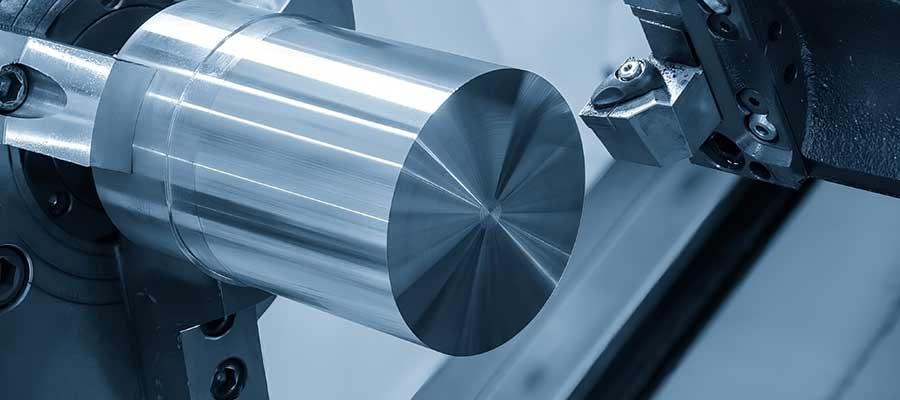
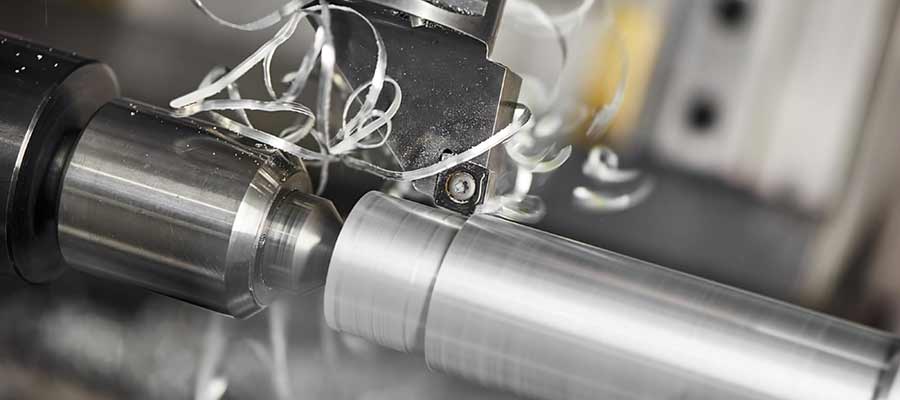
CNC milling, turning, 3D printing—these tools convert CAD models into actual parts. Sometimes same day. You can crank out multiple versions of a concept. Test real physical parts instead of trusting simulations. Adjust designs based on what you’re holding in your hands.
Faster iterations. Faster decisions. Shorter development cycles. Simple chain reaction.
For U.S. manufacturers? This speed is a weapon. Especially in industries that refresh product lines constantly. Consumer electronics. Aerospace. Automotive accessories. Industrial tooling. Speed wins.
Early Detection of Design Flaws
Digital models lie. Well, not exactly lie. But they hide things. Problems that only show up when you’re holding the actual part.
Rapid prototyping exposes those issues early. Before full-scale production eats your budget alive.
What gets caught? Tight fits or tolerance mismatches. Weak points and stress-prone areas. Design elements that are a nightmare to machine or assemble. Hidden interferences between components. All the stuff that ruins timelines when you find it late.
Catch it early. Fix it cheap. Skip this step and you’re paying for rework, tooling changes, and production delays. Trust me on that.
Lower Costs Through Efficient Material and Labor Use
Rapid prototyping cuts waste. Multiple ways.
Additive Manufacturing (3D Printing)
Builds parts layer by layer. Only uses the material you actually need. Great for complex geometries, lightweight structures, one-off components. No scrap pile from subtractive methods.
CNC Machining for Prototypes
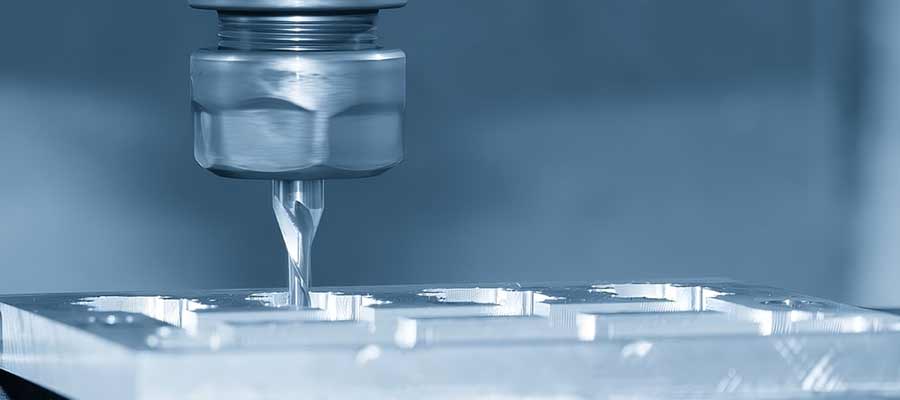
Optimized toolpaths and modern machining strategies keep scrap minimal while hitting tight tolerances. CNC handles metals, plastics, specialty alloys—stuff that 3D printing can’t always touch.
Less waste. Less manual labor. Lower development costs. Quality stays high. Math works.
Reduced Dependence on Costly Tooling
Traditional prototyping meant custom molds. Dies. Fixtures. Especially for plastics or cast components. Expensive. Time-consuming. Pain in the neck.
Rapid prototyping sidesteps most of that.
CNC machining and 3D printing create complex shapes straight from CAD data. No specialized tooling required. Experiment with more design variations. Change features on the fly. Avoid costly mold revisions. Test market responses without betting the farm on tooling investments.
Engineering budgets stay intact. Innovation happens early. Worth it.
Better Collaboration and Faster Market Response
Real parts beat drawings. Every time.
Engineers, designers, clients, stakeholders—everyone can hold the concept. Evaluate it together. Make decisions faster. Avoid the misunderstandings that happen when people squint at screens.
Physical prototypes also let marketing and sales plan earlier. Head start on competitors.
With rapid prototyping, companies react fast to market shifts, customer feedback, new product opportunities, competitive pressure. That agility matters. In U.S. manufacturing, speed to market often decides who gets the business.
Comparing Rapid Prototyping Methods
CNC Machining
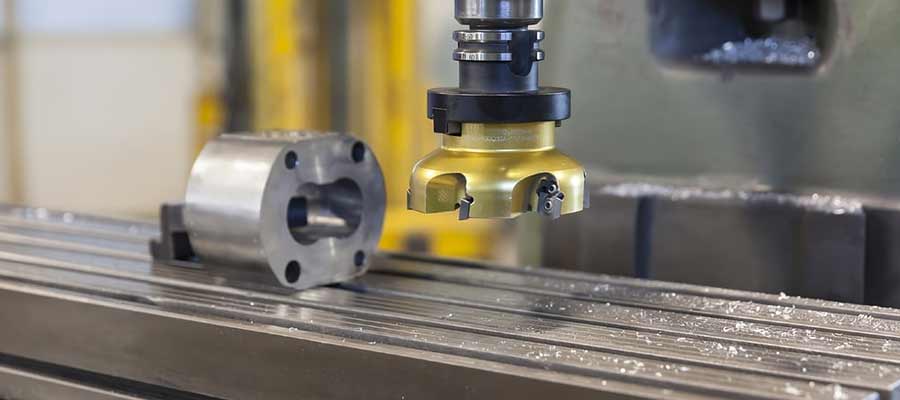
Best for metals, high-strength plastics, tight tolerances, functional testing. Precision and material versatility are the big wins. Surface finishes look great. Downside? More material removal, and highly complex shapes can get pricey.
3D Printing
Best for early concepts, complex geometries, lightweight structures. Fast turnaround. Lower waste. No tooling. But material options and strength depend on printer type. Finishing work might be needed.
Laser, Plasma, and Waterjet Cutting
Best for flat parts, brackets, enclosures, sheet-metal prototypes. Very fast. Clean edges. Cost-effective for low-volume runs. Not great for 3D shapes though.
Most manufacturers blend these capabilities. Part complexity, material needs, budget—pick the right tool for each job. No single method does everything.
Key Factors That Influence Rapid Prototyping Costs
Prototype pricing swings based on a few things:
Material choice hits hard. Metals like aluminum or stainless steel cost more than standard plastics. No surprise there.
Part complexity matters. Fine details, undercuts, tight tolerances—all of that increases machining or printing time.
Quantity changes the math. Single prototypes cost more per piece. Larger runs drop the per-unit cost.
Finishes add up. Anodizing, polishing, coating, special treatments—they all bump the total.
Lead time premiums are real. Rush orders cost more. Plan ahead if you can.
Know these drivers. Budget smarter.
A Simple Step-by-Step Framework for Rapid Prototyping
Step 1: Upload or create CAD models. Engineers prep digital files with clear dimensions and requirements. Garbage in, garbage out. Get this right.
Step 2: Select materials and prototyping method. CNC machining, 3D printing, cutting processes—pick based on what the part actually needs.
Step 3: Produce the prototype. Skilled machinists and technicians fabricate the part using optimized workflows.
Step 4: Test and evaluate. Check fit, finish, structural strength, functional performance. Does it work or not?
Step 5: Iterate and refine. Designers update models. Produce improved variations. Repeat until it’s right.
Step 6: Transition to production. Once the prototype passes, production planning and quoting begin. Tooling if needed.
Follow the framework. Keep it moving.
Current Trends and U.S. Outlook
American manufacturers are adopting hybrid workflows fast. CNC precision paired with additive flexibility. Short-run machining with automated inspection. Faster CAD-to-machine transitions. Sustainable material practices.
Product lifecycles keep shrinking. Customers want more customization. Rapid prototyping isn’t a nice-to-have anymore. It’s becoming the backbone of efficient, resilient manufacturing.
Different world than ten years ago. No way around it.
FAQs
How long does rapid prototyping take?
Most prototypes wrap up in hours to a few days. Depends on complexity and materials. Not weeks. Days.
Is CNC machining better than 3D printing for prototypes?
Different tools for different jobs. CNC gives you higher precision and better materials for functional testing. 3D printing is faster and more flexible for early concepts. Use both when it makes sense.
What industries benefit most from rapid prototyping?
Aerospace, automotive, electronics, consumer products, medical devices, industrial equipment. Pretty much anyone who makes physical products and can’t afford slow development cycles.
Can rapid prototyping save money on tooling?
Absolutely. Many prototypes get produced without molds or custom fixtures. Companies skip expensive tooling changes early on. Big savings.
What materials can be used for rapid prototyping?
Common options include aluminum, steel, ABS, nylon, acrylic, resin, PEEK, various engineering plastics. Plenty to work with.
How does rapid prototyping fit into full production?
Once the prototype is validated, the same CNC programs can transition into short-run or full production. Smooth handoff. No starting over.
Why Styner Machine Tools
Styner Machine Tools supports engineers and U.S. manufacturers with precision CNC machining, short-run prototyping, CAD engineering, and advanced cutting services.
Refining a concept? Preparing for production? We deliver accurate, fast, cost-effective prototypes. Confidence included.
Our experienced team knows what works. Quality standards don’t slip. And we understand that your timeline is as important as the specs.
Ready to move faster? Styner Machine Tools is your partner.