Let me give you the quick answer first.
Custom metal fabrication takes raw metal and turns it into exactly what you need. Cutting. Shaping. Machining. Welding. Assembly. Whatever it takes to build the part you’re after.
Not off-the-shelf stuff that’s close enough.
Not catalog parts you have to make work.
Exactly what you designed. Built to your specs.
Need a bracket that doesn’t exist anywhere? That’s fabrication. Got a machine with a part that broke and the manufacturer went out of business fifteen years ago? Fabrication. Want to test a prototype before spending big money on production tooling? Also fabrication.
Here’s the thing though. A lot of people don’t really understand how the process works. They send a drawing to a shop, get a quote back, and have no idea whether that price makes sense or how long the job should actually take.
That’s a problem. Because understanding the process helps you get better results. Faster turnaround. Lower costs. Fewer headaches.
So let’s fix that.
Snapshot
| Factor | What You Should Know |
| How long parts last | 10–30+ years. Depends on material and environment. |
| Common metals | Steel, stainless, aluminum, copper, brass. Others too. |
| What it costs | Simple stuff: $50–$150. Complex assemblies: $300–$3,000+. |
| Best applications | Prototypes. One-offs. Custom assemblies. Precision work. |
| How long it takes | Few days to several weeks. Complexity drives timeline. |
What This Actually Means in Practice
Let me be more specific.
Custom fabrication means you bring an idea—could be a napkin sketch, could be a full CAD model—and a shop turns it into real metal parts. Not something from a catalog. Something built from scratch.
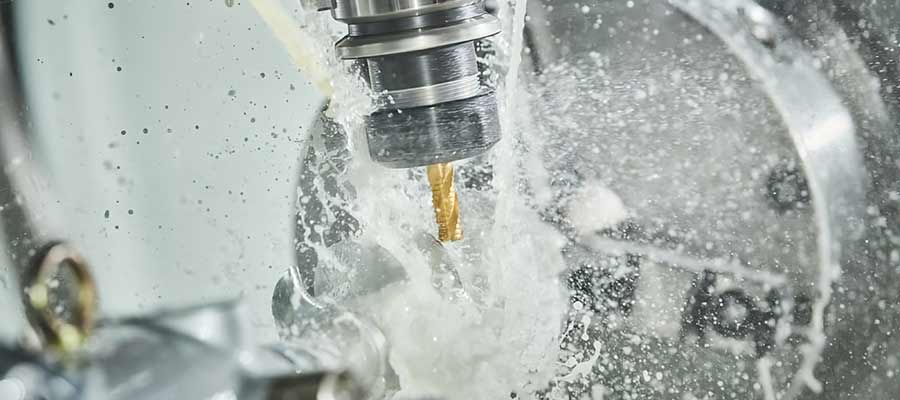
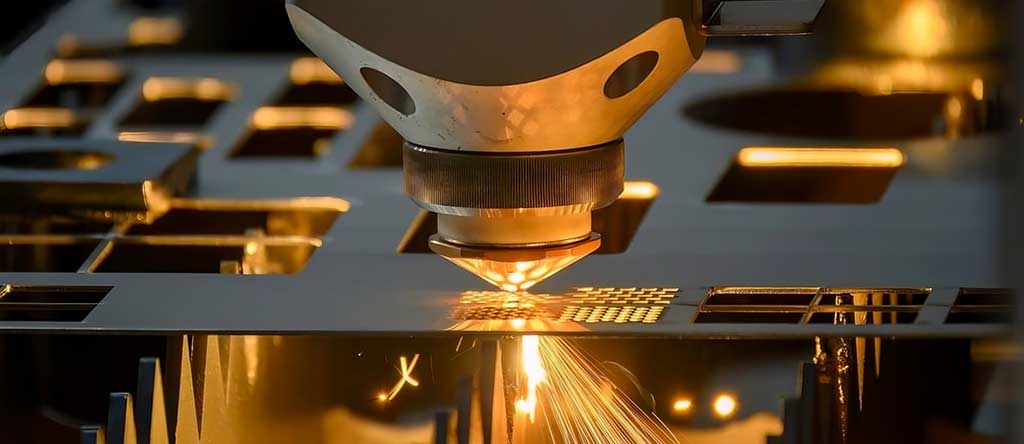
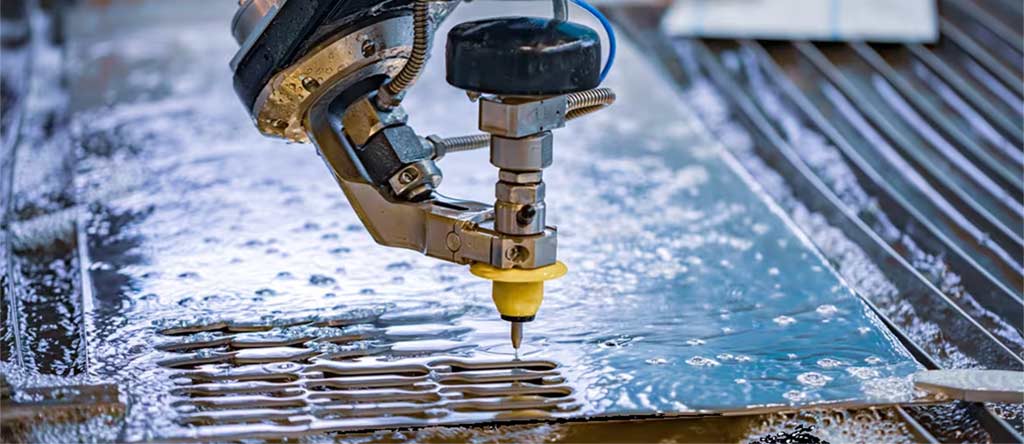
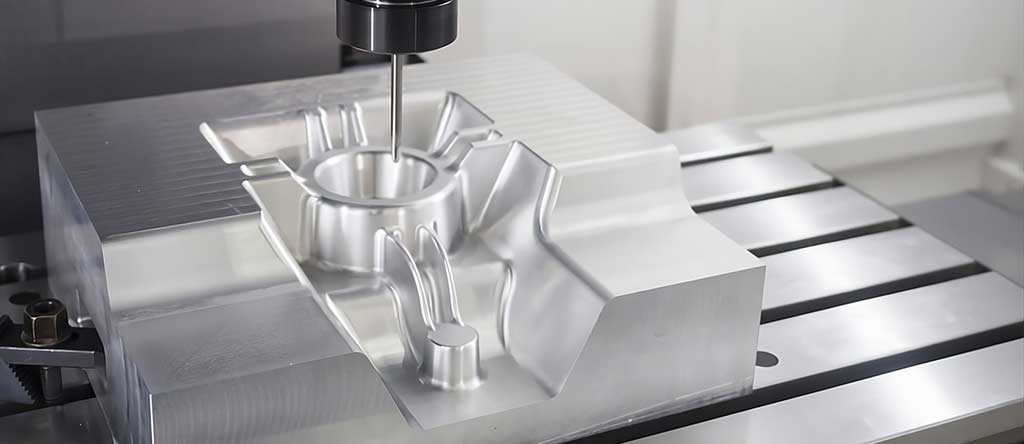
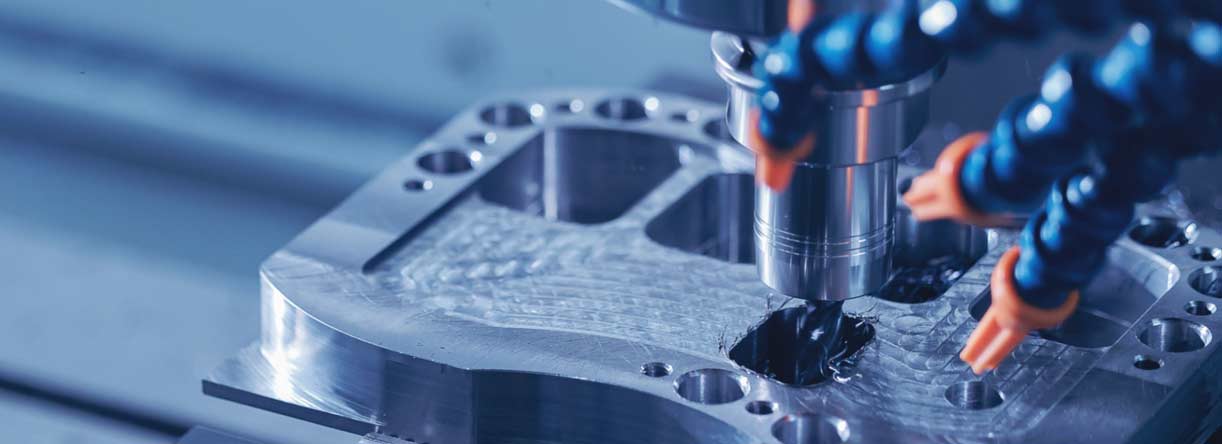
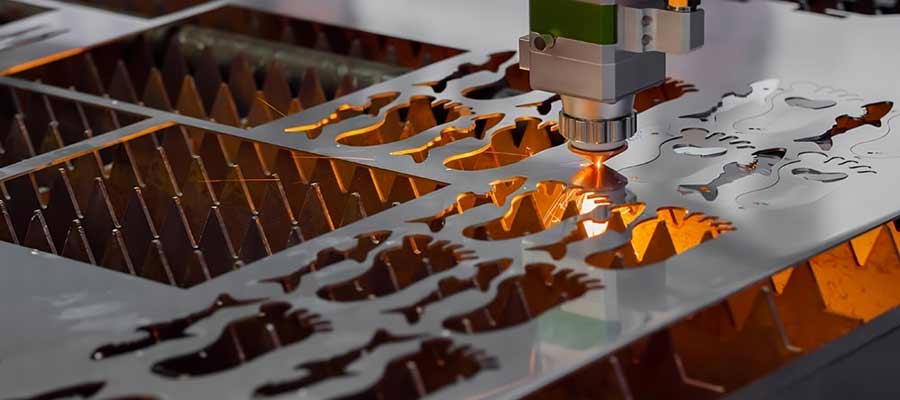
The shop uses whatever equipment the job requires. CNC mills for precision machining. Lathes for round parts. Waterjets and lasers for cutting sheet metal. Press brakes for bending. Welding systems for joining pieces together.
All of it working together to produce exactly what you drew up.
You see this approach everywhere. Aerospace. Automotive. Medical devices. Agriculture equipment. Construction. General manufacturing. Pretty much any industry where someone needs a part that’s unique, needs to be durable, or has to hit tight tolerances.
If the part doesn’t exist, custom fabrication makes it exist. That simple.
How the Whole Process Works
Every job is a little different. But most follow the same basic flow.
Step 1: You Bring the Concept
Starts with you. You’ve got a drawing. Maybe detailed, maybe rough. Maybe just an idea and some dimensions scribbled on paper.
The shop’s engineering team takes that and makes it manufacturable. They define tolerances. Specify materials. Figure out how to actually build the thing. Identify potential problems before anybody cuts metal.
Good engineering up front? Saves a ton of money later. I’ve seen jobs go sideways because someone skipped this step. Don’t skip this step.
Step 2: Picking the Right Metal
Which material? Depends entirely on what the part needs to do.
How strong does it need to be? Will it see corrosive environments? Does weight matter? What about heat? Does appearance matter for the application?
And of course—what’s the budget?
Common choices include mild steel for economy, stainless for corrosion resistance, aluminum when weight matters. Specialty alloys for demanding applications. Each has trade-offs. Right choice depends on your situation.
Step 3: Cutting Raw Material
Now we start making chips. Or burning through plate. Depends on the method.
Laser cutting when you need precision on thin-to-medium sheet. Waterjet when the material can’t handle heat. Plasma when you’re blasting through thick plate and speed matters more than perfect edges.
Different tools for different situations. Good shops have options.
Step 4: Bending and Forming
Flat sheet becomes three-dimensional.
Bending on press brakes. Rolling for curves. Punching. Stamping. CNC equipment ensures every bend hits the same angle, part after part.
This is where flat metal turns into actual shapes you can use.
Step 5: Precision Machining
CNC milling and turning take over when you need real precision.
Tightening tolerances beyond what forming can achieve. Adding holes, slots, threads, pockets. Creating complex surfaces. Hitting dimensions that actually matter for fit and function.
This is where precision lives. Where the difference between a good part and a bad part gets decided.
Step 6: Welding and Assembly
Multiple pieces become one assembly.
MIG welding for speed. TIG for precision. Robotic welding when consistency matters on production runs. Fixtures keep everything aligned. Good welders keep everything strong.
A good weld? You barely notice it. A bad weld? Eventually fails. Sometimes spectacularly.
Step 7: Finishing
Parts get cleaned up and protected.
Deburring sharp edges. Polishing visible surfaces. Powder coating for durability. Anodizing aluminum. Painting. Plating. Whatever the application requires.
Finishing isn’t just cosmetic. It’s what makes parts last in the real world. Skip it and you’ll be replacing parts way sooner than you should.
Step 8: Inspection
Final check before anything ships.
Calipers for basic dimensions. Micrometers for precision features. CMMs for complex geometry. Whatever verification the tolerances demand.
Parts that don’t meet spec don’t leave the building. That’s the rule. No exceptions.
Custom Fab vs. Other Options
How does this compare to alternatives? Quick breakdown.
| Option | Good For | Upside | Downside |
| Custom Fab | Unique parts, prototypes | Total control, precision | Costs more per part |
| Off-the-Shelf | Standard hardware | Fast, cheap | Zero customization |
| 3D Printing | Early prototypes | Low cost to try ideas | Weaker than machined |
| Casting | High volume runs | Cheap at scale | Long lead time, tooling $$$ |
Custom fab wins when you need precision, strength, or something unique. Off-the-shelf wins when standard parts work fine. Casting wins at really high volumes where tooling cost spreads across thousands of parts.
What Drives Cost
Knowing what affects price helps you make smarter decisions.
Material choice matters. Stainless costs more than mild steel. Aluminum machines faster but might not be strong enough. Pick material based on what the part actually needs, not what sounds impressive.
Complexity matters. More bends. Tighter tolerances. Deeper cuts. Threaded holes. Multi-part assemblies. All of that adds machining time and setup time. Complexity costs money.
Volume matters. Making one part costs more per piece than making a hundred. Setup and programming time is similar either way. Spread that cost across more parts and unit price drops.
Finishing matters. Coatings add cost. But they add longevity too. Factor that into total value, not just purchase price.
Tolerances matter. Tighter tolerances mean slower machining, specialty tooling, more inspection. Only spec tight tolerances where they’re actually needed.
How to Get Your Part Made
Here’s the process from your end.
First, know what the part needs to do. How it fits. What loads it handles. What environment it operates in. The more you know, the better the result.
Second, get drawings together. Or ask the shop to help create them. Clear drawings speed everything up and reduce cost.
Third, pick a fabrication partner. Look for one that handles machining, welding, cutting, and finishing in-house. Keeps things simpler.
Fourth, review the quote. Understand what’s included. Material, machining, finishing, setup. Ask questions if something doesn’t make sense.
Fifth, consider prototyping. Testing fit and function before full production catches problems early.
Then production happens. Shop builds, inspects, ships.
FAQs
What industries use custom metal fabrication?
Pretty much all of them. Aerospace. Automotive. Medical. Agriculture. Construction. Consumer products. Anywhere someone needs metal parts that don’t come from a catalog.
How long does it take?
Simple parts might ship in a few days. Complex assemblies can take weeks. Depends on machining time, finishing requirements, and shop backlog.
What files do shops need?
Most accept CAD formats—STEP, IGES, DXF, SolidWorks native files. PDFs work for simple stuff. Real CAD is always better.
Can I afford just one part?
Yes. CNC machining and waterjet don’t need expensive tooling. One-offs are totally feasible. Won’t be as cheap per part as volume orders, but it’s doable.
What’s the strongest metal option?
Usually stainless steel or high-strength alloy steel. Best combination of durability and corrosion resistance for most applications.
Will the shop help with design?
Good ones will. Engineering support for manufacturability, material selection, tolerance optimization—that’s valuable. Find a shop that offers it.
Why Styner Machine Tools
Styner Machine Tools does precision CNC machining and custom metal fabrication for all kinds of projects.
One prototype or a full production run—we handle it. Engineering support when you need it. Tight tolerances when the job demands it. Fast turnaround when the schedule’s tight.
Quality standards that don’t bend. That’s the commitment.
When you need custom metal parts done right, give us a call.