Pick up your phone. Look at how thin it is. Now think about everything crammed inside that case—processors, sensors, cameras, batteries, connectors. All of it packed into a space thinner than a deck of cards.
That kind of density doesn’t happen by accident.
A production engineer I know—Lisa, been in electronics manufacturing for about 15 years—showed me a heat sink she was working on last month. Tiny thing. Maybe the size of a postage stamp. Had fins machined so thin you could almost see through them. “Five years ago, we couldn’t make this,” she said. “The tolerances just weren’t achievable.” Now it’s Tuesday afternoon work.
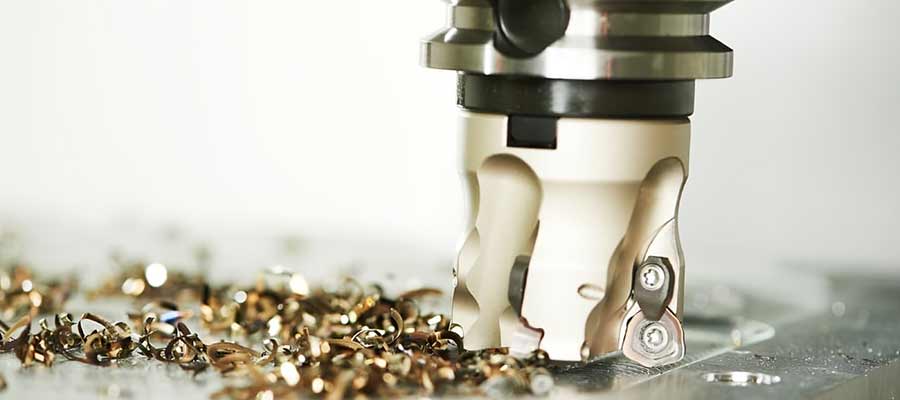
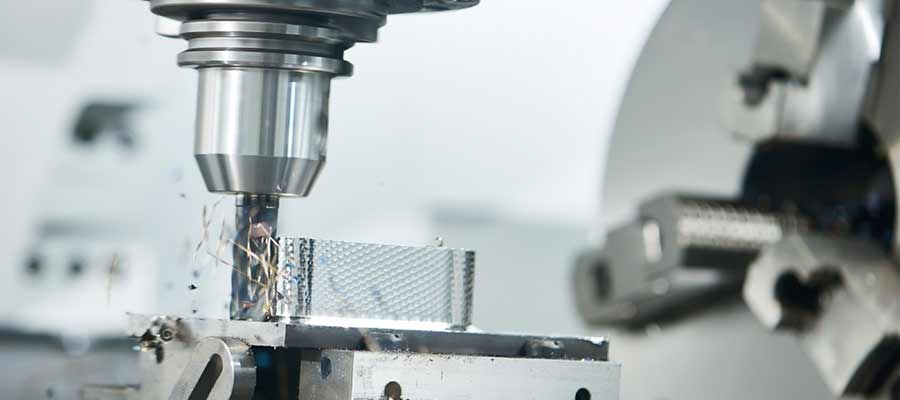
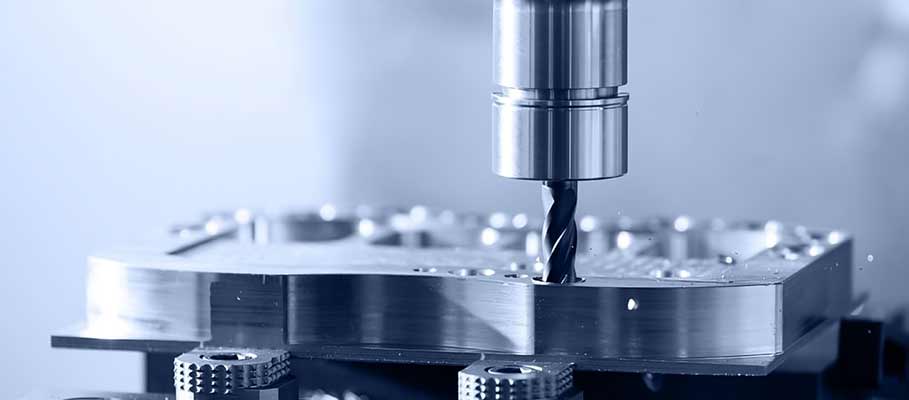
CNC machining made that possible. And honestly, it’s made a lot of modern electronics possible. The precision, the repeatability, the ability to cut features smaller than most people can see—that’s what lets devices keep shrinking while getting more powerful.
Snapshot: What to Know
| Category | Details |
| Typical Part Lifespan | 5–20+ years depending on material and application |
| CNC Machining Cost Range (USA) | $75–$300 per hour on average |
| Prototype Turnaround Time | 1–5 days for most small electronic components |
| Best Materials for Electronics | Aluminum, copper, brass, stainless steel, ABS, PEEK |
| Local Insight (USA) | Strong demand for domestic CNC machining to support rapid design cycles and tight-tolerance parts |
Why CNC Machining Runs Modern Electronics
Here’s the thing about electronics. They keep getting smaller. And faster. And more complicated. Every year, someone figures out how to cram more capability into less space. That’s great for consumers. For manufacturers? It means tolerances that would’ve seemed absurd a decade ago are now just… normal.
We’re talking micron-level precision. Features so small you need magnification to inspect them. Parts that have to fit together perfectly or the whole assembly fails.
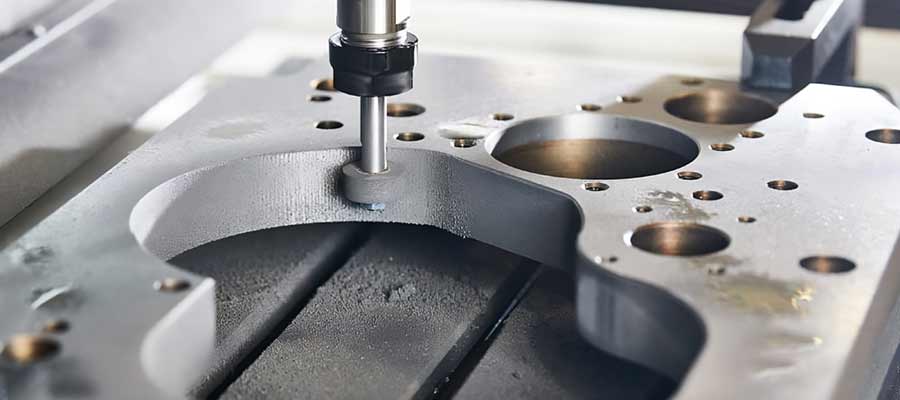
CNC machining handles this because the process follows exact CAD data. No interpretation. No variation. The machine cuts what the file says, every single time. That kind of repeatability matters enormously when you’re making thousands of identical components that all need to work together.
What kinds of parts actually get CNC machined in electronics?
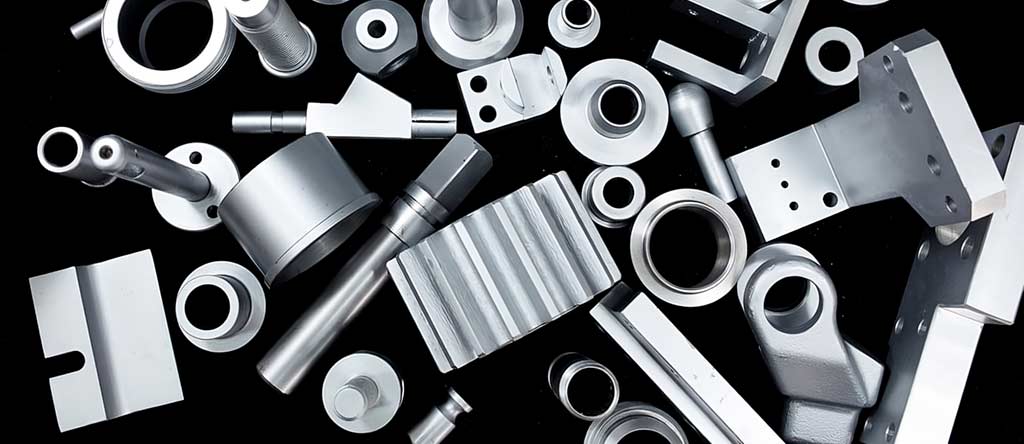
- Heat sinks that pull thermal energy away from processors before they cook themselves
- Connector housings where fractions of a millimeter affect signal integrity
- Micro-enclosures protecting sensitive components from interference and impact
- Sensor bodies requiring precise alignment for accurate readings
- PCB mounting hardware that keeps boards locked in position through vibration and shock
- Shields and brackets doing structural work in impossibly tight spaces
Walk through any electronics factory. You’ll see CNC parts everywhere. Most people just don’t realize it because the parts are hidden inside finished products. But pull apart any laptop, any server, any medical device—CNC machined components are doing critical work in there.
Materials That Make Electronics Work
Different electronic components need different material properties. Some need to conduct heat. Others need to block electrical signals. Some need both. CNC machining works with basically all of them.
A thermal engineer named Marcus explained it to me once over coffee. “Material selection is half the design,” he said. “Pick wrong and nothing else matters.” Stuck with me.
Here’s what shows up most often:
Metals
- Aluminum – The workhorse. Lightweight, machines beautifully, and pulls heat away from components like nothing else at its price point.
- Copper – When you need serious electrical conductivity. Connectors, bus bars, anything carrying significant current.
- Brass – Corrosion-resistant and machines cleanly. Shows up in connectors and fittings constantly.
- Stainless steel – For parts that take wear or need serious structural strength. Costs more to machine but lasts forever.
Plastics and Composites
- ABS – Great for protective housings. Cheap, durable, easy to work with.
- PEEK – High-performance insulation for demanding applications. Not cheap, but performs when other plastics can’t.
- Nylon – Lightweight, strong, and self-lubricating. Good for parts that move against each other.
- Acrylic and polycarbonate – Clear materials for indicator windows, light pipes, and anywhere you need to see through.
CNC machines cut all of these cleanly while holding dimensional accuracy. That flexibility means electronics manufacturers can optimize for the actual application instead of compromising because their fabrication method can’t handle certain materials. You’re not stuck choosing from a limited menu.
CNC vs. Other Ways to Make Electronic Parts
Not everything needs CNC machining. Sometimes other methods make more sense. Here’s an honest breakdown:
| Method | Best For | Advantages | Drawbacks |
| CNC Machining | Precision parts, prototypes, low to mid volume | Tight tolerances, any material, fast turnaround | Gets expensive at very high volumes |
| Injection Molding | High-volume plastic parts | Super cheap per unit at scale | Expensive molds, slow to change designs |
| 3D Printing | Early prototypes, weird geometry | No tooling, instant design changes | Rough surfaces, weaker materials |
| Sheet Metal | Enclosures, simple brackets | Cost-effective, quick | Can’t handle miniaturized stuff |
For electronics specifically, CNC tends to win when precision matters, when designs change frequently, or when material performance is critical. Which, honestly, describes most electronic components.
What Actually Affects CNC Machining Costs
Pricing varies wildly depending on what you’re asking for. Understanding the drivers helps you make smart design decisions:
Material choice matters more than most people realize. Stainless steel takes forever to cut compared to aluminum. Tool wear goes up. Machine time goes up. Cost goes up. Plastics cut faster but sometimes need careful temperature management to avoid warping or melting.
Part complexity is the other big lever. Simple geometry with accessible features? Quick and cheap. Micro-features, tight inside radii, 5-axis work? Takes longer. Costs more. Sometimes significantly more.
Tolerances follow the same pattern. Holding ±0.001″ is routine. Holding ±0.0002″? That’s slower feeds, more inspection steps, and a higher price tag. Worth it when you need it. Overkill when you don’t.
Volume plays in too. Order 10 parts and setup costs dominate. Order 500 and those costs spread out, dropping per-piece pricing substantially. At really high volumes—like millions of identical parts—injection molding might eventually beat CNC on cost. Maybe. Depends on the part.
And don’t forget finishing. Anodizing, plating, polishing, specialty coatings—all add time and expense. But they also add performance, durability, and sometimes regulatory compliance.
Prototyping Speed That Actually Matters
Electronics development moves fast. Miss a market window and you might as well not have built the product. CNC machining helps teams iterate quickly enough to actually compete.
Here’s what that looks like in practice:
- Design changes don’t require new tooling—just update the CAD file and cut again
- Prototypes come off the same machines as production parts, so testing actually predicts performance
- Turnaround in days means engineers can test real parts instead of guessing from simulations
- Small batch production bridges the gap between prototype approval and full-scale manufacturing
A hardware startup founder told me his team went through eleven heat sink designs in six weeks before nailing the thermal performance they needed. “With injection molding, we’d still be on version two,” he said. “Each mold change would’ve been eight weeks and twenty grand. We would’ve run out of runway before finding the right design.”
That speed advantage is real. It’s also competitive. Teams that iterate faster tend to ship better products.
Consistency That Keeps Devices Working
Modern electronics need components that work flawlessly for years. Not mostly work. Actually work. Every time.
CNC machining delivers that kind of reliability through sheer consistency. Digital controls repeat the exact same operations whether it’s Monday morning or Friday afternoon, first part of the run or last. No fatigue. No variation. No “close enough.”
What does that mean practically?
- Parts from batch one fit identically to parts from batch fifty
- Defect rates stay low because the process doesn’t drift
- Mating components actually mate—no forcing, no modifications, no surprises on the assembly line
- Compliance with industry standards becomes achievable and documentable
Advanced CNC equipment monitors everything—spindle speed, temperature, tool position, cutting forces. Any drift gets caught immediately. That’s how you maintain quality across thousands of parts. Problems that would snowball in manual operations get flagged and corrected before they produce scrap.
Making Tiny Parts That Actually Function
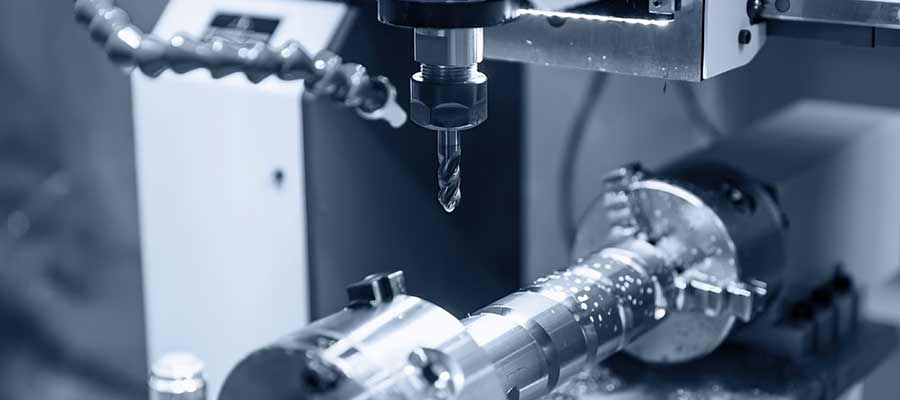
This is where CNC machining really shows off. Modern electronics demand components so small that other manufacturing methods simply can’t produce them. Injection molding can’t hold the tolerances. Stamping can’t create the geometry. But multi-axis CNC mills? Different story.
Think about what’s actually getting machined:
- Micro heat sinks with fins thinner than credit cards
- Camera module housings that hold lenses in alignment measured in microns
- Connector components smaller than grains of rice
- Shielding parts that fit in spaces you’d swear were too small for anything
- Precision sensor bodies where alignment affects measurement accuracy
These parts keep devices thinner, faster, and more efficient. They’re also invisible to end users—hidden inside the products people take for granted. But without them, modern electronics simply wouldn’t exist. That smartphone everyone carries? Dozens of CNC-machined components inside making it all work.
A quality inspector I know jokes that her magnifying equipment is more expensive than her car. She’s probably not joking.
How Electronics CNC Projects Actually Flow
Every project has its quirks, but the general framework stays pretty consistent:
- Lock down the CAD model – Dimensions, tolerances, material specs all finalized. Ambiguity here creates expensive problems later.
- Pick the right machining approach – Milling, turning, drilling, EDM, or 5-axis depending on what the geometry demands.
- Manufacturability review – Engineers flag potential issues: walls too thin, corners too sharp, features that can’t be accessed. Better to catch this stuff early.
- Cut the prototype – Real parts in hand for testing. Usually takes days, not weeks.
- Test and adjust – Fit checks, thermal testing, functional validation. Design tweaks based on actual performance.
- Production machining – Once the design is locked, automated CNC processes produce consistent components at whatever volume you need.
- Quality assurance – Dimensional inspection, surface analysis, final acceptance testing. Documentation that proves parts meet spec.
Following this framework avoids most of the disasters that plague rushed projects. Worth the discipline.
Where Electronics Manufacturing Is Heading
Talked to several production managers recently about what’s changing in their world. Some clear patterns:
- Reshoring is real – More companies bringing machining back to the US for speed and supply chain security
- EV and battery components driving demand – Thermal management parts, power electronics housings, structural battery components all need precision machining
- Medical and micro-robotics pushing tolerances tighter – Sub-micron accuracy requirements becoming more common
- AI hardware creating new categories of parts – Heat sinks for GPUs, structural frames for server racks, mounting hardware for accelerator cards
The common thread? Precision requirements keep increasing while turnaround expectations keep shrinking. CNC machining handles both. Has for years. Will for years more. The technology keeps improving, but the fundamental value proposition stays the same: exact parts, made fast, at volumes that make economic sense.
FAQs
1. What electronic components get CNC machined most often?
Heat sinks lead the list—they’re everywhere in electronics that generate heat, which is basically all of them. Housings, brackets, connectors, thermal components, and sensor bodies round out the top categories. If it needs precision and works with other components, it probably came off a CNC machine.
2. Can CNC handle micro-sized electronic parts?
Absolutely. Modern 5-axis CNC equipment produces parts with features measured in microns. Tiny connectors, miniature heat sinks, microscopic sensor components—all achievable. The machines have gotten remarkably capable at small-scale work.
3. How long does machining electronic components take?
Depends entirely on complexity. Simple parts might finish in hours. Complex geometries or extreme tolerances could take 1-3 days. Most electronic components fall somewhere in between. Prototypes typically arrive within a week of submitting files.
4. Which materials work best for CNC-machined electronics?
Aluminum dominates for thermal components—lightweight, great heat transfer, machines easily. Copper for electrical conductivity. Brass for corrosion-resistant connectors. Stainless for structural strength. Plastics like ABS, PEEK, and nylon for insulators and housings. The right choice depends on what the part actually needs to do.
5. Does CNC make sense for high-volume production?
For moderate volumes—hundreds to tens of thousands—CNC stays cost-effective. For millions of identical plastic parts, injection molding probably wins on per-unit cost. But if you need metal, need precision, or need design flexibility, CNC often remains the better choice regardless of volume.
6. How do I know if my electronic part should be CNC machined?
Ask yourself: Does it need tight tolerances? Is it metal or high-performance plastic? Will the design likely change? Do you need parts fast? Is volume under a million units? If you answered yes to most of those, CNC is probably your best path forward.
Why Electronics Manufacturers Work With Styner Machine Tools
Styner Machine Tools has spent years perfecting CNC machining for the electronics industry. Tight-tolerance micro-components. Aluminum housings that need perfect finishes. Rapid prototyping that actually hits deadlines. That’s the work we do every day.
Our team understands what electronics manufacturing demands. The precision that thermal performance requires. The consistency that high-volume production needs. The speed that competitive markets force. We’ve built our capabilities around those realities.
Refining a prototype? Scaling into production? Need someone who can actually hit micron-level tolerances? Worth having that conversation.
American manufacturing. Real precision. Results you can count on.
Ready to discuss your electronics machining project? Contact Styner Machine Tools at CNCFAB.SHOP.