Laser cutting. Focused beam of light melts, burns, or vaporizes material along a programmed path. Metal, plastics, wood—whatever you need. Extremely high accuracy. That’s the short version.
Laser Cutting Snapshot
| Category | Details |
| How Long Parts Last | Metal parts often go 10–30+ years. Depends on alloy and environment. |
| Cost Range | $0.10–$0.30 per linear inch for common metals. Higher for thick or complex stuff. |
| Lead Times | Same-day to 3 days for most sheet metal work. Modern CNC automation makes it quick. |
| Best For | Precision flat parts, prototypes, repeatable production, clean burr-free edges. |
| U.S. Picture | Demand climbing due to reshoring, defense work, fast-turnaround local manufacturing. |
How Laser Cutting Actually Works
Narrow beam of intensely focused light. Melts, burns, or vaporizes material along a programmed path. CNC controls and CAD/CAM software guide the laser head so every cut follows the exact digital design.
Three main components make it happen:
The Laser Source
This is the resonator that produces the beam. Common types include CO₂ lasers (great for plastics, wood, acrylic, thin metals), fiber lasers (the most common now—ideal for steel, stainless, aluminum, reflective metals), and Nd:YAG lasers (very fine features and specialized applications).
Each varies in wavelength, power output, cut quality, and what materials it plays nice with.
Beam Delivery and Focusing
Mirrors or fiber-optic cables carry the laser to the cutting head. Precision lenses concentrate the beam into a tiny spot—often smaller than a millimeter. That extreme energy density is what makes laser cutting so fast and accurate.
Sharper focus means smoother edges, tighter tolerances, higher cutting speeds, less heat distortion. All good things.
Cutting Head and Assist Gas
As the laser hits the material, an assist gas helps clear molten metal and cool the cut. Usually oxygen, nitrogen, or clean dry air.
Oxygen speeds cutting by enabling controlled burning—common for carbon steel. Nitrogen produces bright, oxide-free edges—used for stainless steel and aluminum. Air is cost-effective for general-purpose work.
CNC automation coordinates beam power, speed, gas pressure, and motion. Every part comes out consistent. First cut to last cut.
Advantages of Laser Cutting
High Precision and Accuracy
Laser machines hold tolerances within thousandths of an inch. Non-contact process, so material stays flat. Distortion is minimal. Cut edges typically come out burr-free, smooth, ready for welding or finishing.
Works With Many Materials
Steel. Stainless steel. Aluminum. Copper and brass. Acrylic and plastics. Wood and composites. Laser systems cut all of them. Invaluable for industries ranging from aerospace and electronics to construction and medical devices.
Fast and Efficient
Laser cutting is often faster than mechanical shears, saws, or plasma cutting. Especially on thin metals. Digital control also means faster prototyping, quick switchovers, shorter lead times, reduced labor cost per part. Speed matters.
Very Low Waste
The kerf is extremely narrow. Tight nesting of parts becomes possible. Less scrap per sheet. More usable parts. Money stays in your pocket instead of the recycling bin.
Clean, Safe, Low-Maintenance
Enclosed, automated process. Little debris. No tool wear. More predictable operation. Safer for operators. Less downtime.
Applications of Laser Cutting
Versatility means it shows up everywhere:
Automotive and Aerospace. Brackets, structural components, heat shields, prototype parts. The precision stuff where sloppy work isn’t an option.
Electronics. Circuit boards, enclosures, precision micro-components. Small and detailed.
Medical Devices. Stainless-steel tools, surgical parts, diagnostic components. Clean cuts, tight tolerances.
Architecture and Construction. Decorative panels, signage, fixtures. When appearance matters as much as function.
Consumer Goods. Packaging, displays, furniture parts, custom designs. Creative applications everywhere.
Laser Cutting vs. Other Methods
Laser Cutting vs. Waterjet
Laser is faster with cleaner edges. Better for metals. Waterjet has no heat-affected zone—ideal for thick stone, glass, or composites. Pick based on material and what you need.
Laser Cutting vs. Plasma
Laser gives higher precision, better for thin sheet metal. Plasma costs less but leaves rougher edges and a wider kerf. Tradeoffs everywhere.
Laser Cutting vs. Mechanical Cutting
Laser has no tool wear, smoother edges, better detail. Mechanical cutting still makes sense for thick materials or when laser isn’t needed. Different tools for different jobs.
What Affects Laser Cutting Cost?
Several things move the needle:
Material Type and Thickness. Thicker or reflective metals require more power and slower speeds. Costs go up.
Part Complexity. More intricate geometries, tight tolerances, micro-features—all add machine time.
Gas Type. Nitrogen costs more than oxygen or air but gives cleaner edges. You pay for quality.
Quantity and Repeatability. Batch production reduces setup time per part. Lower cost per unit.
Post-Processing Needs. Deburring, forming, or finishing operations add to the final bill.
Step-By-Step: The Laser Cutting Process
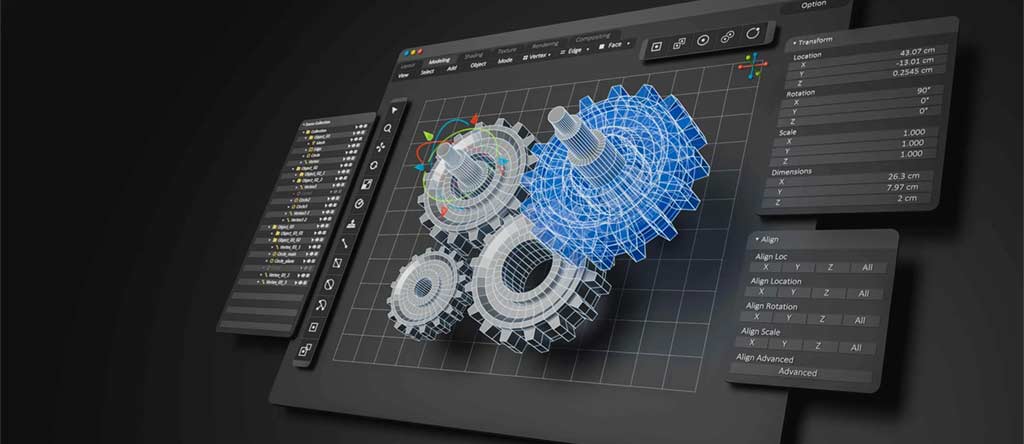
Step 1: CAD Model Created. Part gets designed in 2D or 3D software. Foundation of everything.
Step 2: CAM Programming. Toolpaths, cut order, and speed get set. This is where optimization happens.
Step 3: Material Preparation. Sheet metal loaded onto the cutting table. Ready to go.
Step 4: CNC Laser Cutting. Machine follows the programmed path. Does its thing.
Step 5: Quality Check. Edges, dimensions, and features verified. Catch problems before they leave the shop.
Step 6: Secondary Operations (if needed). Deburring, forming, welding, or finishing. Depends on the part.
Step 7: Delivery. Parts packaged and sent. Done.
Current Trends in U.S. Laser Cutting
Fiber lasers are taking over. Speed and energy savings make the decision easy.
Reshoring is driving demand for fast local production. Overseas lead times don’t cut it anymore.
AI-driven nesting software is reducing sheet waste. Smarter layouts, less scrap.
Automation and pallet systems enable lights-out production. Machines running while nobody’s there.
Higher material prices make efficient cutting more important than ever. Every inch counts.
FAQs
What materials can be laser cut?
Most metals, plastics, acrylics, plywood, composites, thin specialty materials. Wide range.
Does laser cutting cause warping?
Minimal. Fiber lasers use concentrated heat, so the heat-affected zone stays small. Not usually a problem.
How accurate is laser cutting?
Modern fiber lasers hold tolerances within a few thousandths of an inch. Crazy precise.
Is laser cutting good for prototypes?
Absolutely. Fast setup, quick turnaround, easy iteration. Ideal for prototypes and short runs.
What’s the maximum thickness a laser can cut?
Fiber lasers handle steel up to 1 inch thick. Depends on power and gas type. Thicker than most people expect.
How does laser compare to plasma for sheet metal?
Laser is more precise with cleaner edges. Plasma is cheaper for thick cuts but rougher. Different strengths.
Why Styner Machine Tools
Styner Machine Tools delivers precision CNC laser cutting backed by decades of machining and fabrication experience.
Prototypes to full production runs. Accuracy. Fast turnaround. Consistent quality. Metal parts, custom assemblies, integrated fabrication services—we handle it.
Need precision laser cutting? Styner Machine Tools. Let’s make it happen.