Combining 3D printing and CNC machining is changing manufacturing. Flexibility. Precision. Efficiency. All rolled into one process. Not a gimmick. Not a trend that’ll fade. This is where things are heading.
Snapshot: What You Need to Know
| Feature | What It Means |
| How Long Parts Last | As durable as traditional CNC parts. Sometimes more so. Depends on design and materials. |
| Cost Picture | Higher upfront for hybrid setups. But faster production, fewer errors, less waste. Pays off over time. |
| Design Freedom | Complex shapes, internal channels, fully customized features. Stuff that used to be impossible? Now doable. |
| U.S. Picture | Aerospace, automotive, medical—all jumping on hybrid machines to stay competitive. |
| Environmental Angle | Layer-by-layer building plus minimal material removal. Greener than old-school methods. |
Why Hybrid Manufacturing Changes Everything
Used to be a choice. 3D printing or CNC machining. Pick one.
Not anymore.
3D printing nails intricate geometries, complex internal channels, highly customized parts. CNC machining delivers razor-sharp precision, smooth finishes, reliable functional features. Combine them? Best of both worlds. That’s the whole point.
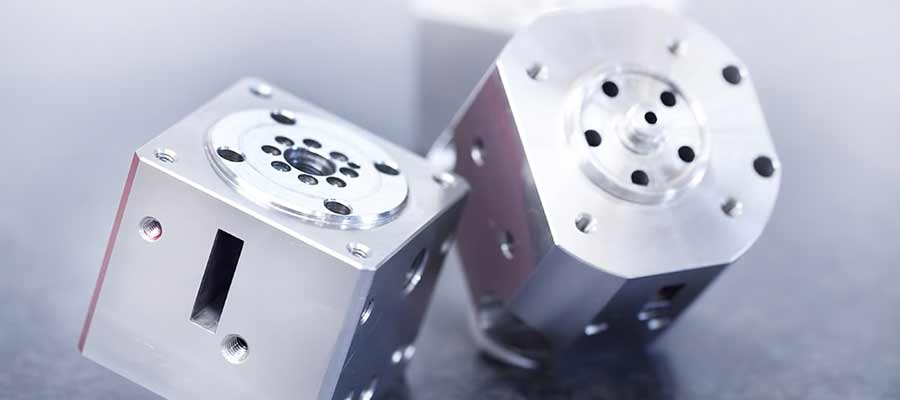
Picture this. Printing a lightweight aerospace bracket with internal cooling channels. Then letting a CNC machine finish the critical surfaces and holes perfectly. That’s hybrid manufacturing in action. Flexible. Precise. Incredibly efficient.
This isn’t theoretical. Aerospace, medical devices, automotive—they’re already seeing the benefits. Components come out lighter, stronger, optimized for performance. Tight tolerances and regulatory compliance? Still covered. For designers and engineers, it’s a whole new playground.
Streamlined Workflows and Faster Lead Times
Traditional manufacturing is a headache. Prototype. Test. Machine. Finish. Each step adds time, cost, and the chance for something to go wrong.
Hybrid manufacturing simplifies the mess. Additive and subtractive processes combined. Sometimes in a single machine setup.
Here’s how it actually works. Design gets 3D printed first—creates a near-net shape or internal structure. Once that’s done, CNC machining steps in to finish precise surfaces, holes, and dimensions. Result? Faster transitions from digital concept to functional part.
Some manufacturers are running hybrid machines that do both in one continuous workflow. No moving parts between machines. No re-setting fixtures. Production delays shrink. Prototyping cycles accelerate. Companies respond faster to customer demands.
Different game entirely.
Material Efficiency and Sustainability
Here’s another win. Hybrid manufacturing uses materials smarter.
Traditional subtractive methods? Cut away large amounts of raw material. Generates waste. Costs pile up—especially with expensive metals. Additive processes flip that. Build parts layer by layer. Use only what’s necessary.
When CNC machining comes in afterward, only minimal material gets removed to hit final tolerances. Less waste. Lower costs. More sustainable manufacturing practices. Triple win.
And the future looks good. Engineers are developing new alloys and polymers designed specifically for hybrid production. Better efficiency. New doors opening for innovative designs and applications. Worth watching.
Improved Quality and Performance
Speed and efficiency are great. But what about quality?
Hybrid manufacturing delivers there too.
3D printing allows complex, customized components. But surface finishes and tight tolerances can be tricky. CNC machining solves that problem. Refine the part after printing. Achieve precise dimensions, smooth surfaces, reliable performance.
For aerospace, automotive, medical devices? This combination is huge. Parts meet strict mechanical, functional, and regulatory standards. Perform reliably under demanding conditions. No compromises.
Looking ahead, expect hybrid machines with built-in sensors and real-time monitoring. Automatic process adjustments on the fly. Consistent quality. Fewer defects. Less waste. That’s where things are heading.
Step-by-Step Hybrid Manufacturing Framework
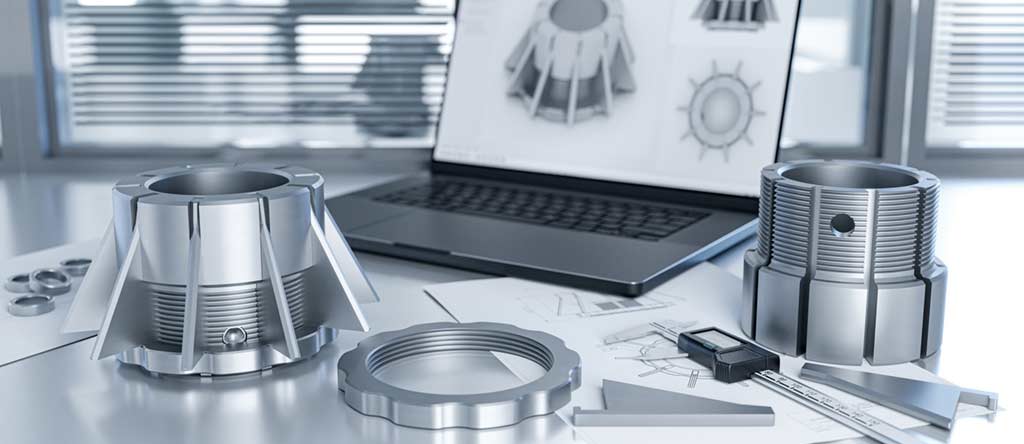
Step 1: Start with a digital design. Optimize parts in CAD software for both additive and subtractive processes. Plan ahead.
Step 2: 3D print the base structure. Build near-net shapes or complex internal features layer by layer. Get the foundation right.
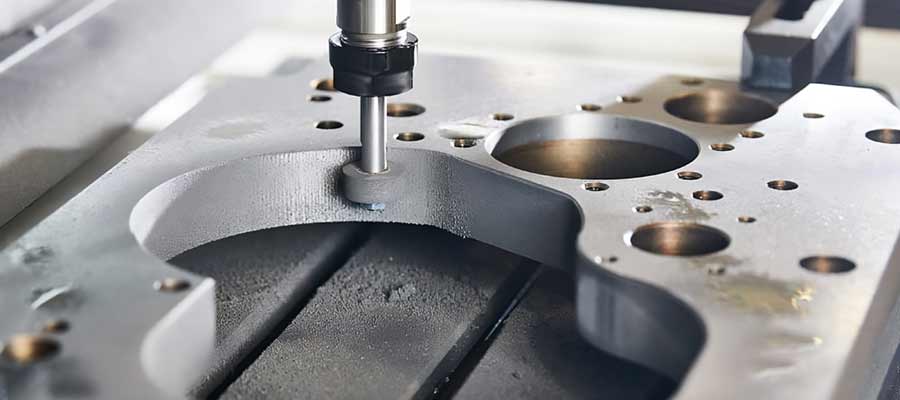
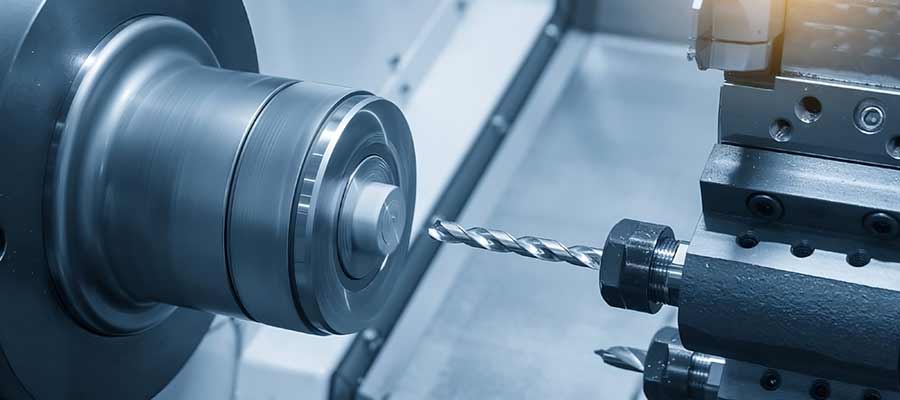
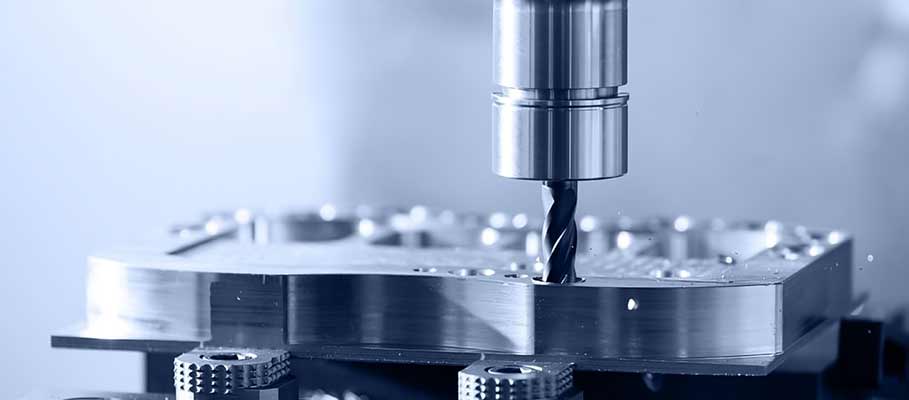
Step 3: CNC finishing. Machine surfaces, holes, and critical dimensions to exact specifications. This is where precision happens.
Step 4: Quality assurance. Use inspections and sensors to verify accuracy. Don’t skip this.
Step 5: Final assembly or deployment. Parts are ready for testing, assembly, or delivery. Done.
Follow this workflow. Leverage both technologies. Minimize errors and inefficiencies.
Current Trends in the USA
Aerospace and medical sectors are leading the charge on hybrid adoption. Makes sense—both industries need precision and complexity in the same parts.
Hybrid machines combining 3D printing and CNC machining in a single platform are becoming standard. Not exotic anymore. Just how things are done.
Sustainability and material efficiency keep driving decisions. Manufacturers want to reduce waste and environmental impact. Hybrid helps with both.
Customized solutions are more accessible now. Small-run prototyping. Short-run production. Advanced manufacturing isn’t just for the big players anymore.
FAQs
Can all materials be used in hybrid manufacturing?
Most metals and thermoplastics work well. Specialized materials might need process adjustments. But the range is broad.
How does hybrid manufacturing speed up production?
Combining additive and subtractive steps reduces handoffs and setup time. Parts move from design to final product faster. Fewer bottlenecks.
Is hybrid manufacturing cost-effective?
Initial equipment costs run higher. But savings come from less waste, faster production, fewer errors. Over time? Yes, it pays off.
Which industries benefit most?
Aerospace, automotive, medical devices, high-precision engineering. Industries where complexity and accuracy both matter.
Are hybrid machines hard to operate?
Modern systems are user-friendly. But proper training ensures the best results. Don’t skip the learning curve.
What’s the biggest advantage of hybrid over traditional methods?
Design freedom plus precision. Complex internal features from 3D printing. Tight tolerances from CNC finishing. Can’t get that combination any other way.
Why Styner Machine Tools
At Styner Machine Tools, decades of machining expertise meet cutting-edge hybrid manufacturing solutions. Rapid prototyping to precision finishing. We help U.S. manufacturers create high-quality parts efficiently and sustainably.
Concept to reality. We’ve got you covered.
Our experienced team knows hybrid workflows inside and out. Quality standards don’t slip. And we understand that speed matters as much as precision.
Ready to explore hybrid manufacturing? Styner Machine Tools is your partner.