CNC machining materials. Aluminum, stainless steel, carbon steel, brass, titanium, engineering plastics. Each one gets picked for specific reasons—performance, strength, cost. Knowing which material fits which job saves time, money, and headaches.
Snapshot: What You Should Know
| Category | Key Details |
| How Long Stuff Lasts | Plastics: 2–10+ yrs. Aluminum: 10–30 yrs. Steels: 10–50+ yrs. Titanium: 20–50+ yrs. Big range. |
| Machining Cost (U.S.) | Cheapest: ABS, Nylon. Middle ground: Aluminum, 1018 steel. Pricier: Stainless. Most expensive: Titanium. |
| Best for Tight Tolerances | Aluminum, Delrin (Acetal), Stainless Steel. Hold dimensions like champs. |
| Budget-Friendly Picks | ABS, Nylon, Carbon Steel (1018). Get the job done without breaking the bank. |
| When You Need Strength | Alloy steels (4140), Titanium. The heavy hitters. |
| U.S. Trend | Lightweight alloys and engineering plastics gaining ground. Fast machining. Stable supply chains. |
Why Material Choice Matters
Pick the wrong CNC material and everything suffers. Strength. Appearance. Durability. Cost. Machining time. Different materials react differently to cutting tools, heat, and stress. Choose correctly and the part does what it’s supposed to do. For its entire lifespan.
Choose wrong? Problems. Expensive ones.
Styner Machine Tools works with a wide range of CNC-friendly materials. Rapid prototypes. Fully machined production parts. We’ve got options.
Metals: High Strength, High Reliability
Aluminum
Aluminum is everywhere in CNC work. And for good reason. Excellent strength-to-weight ratio. Natural corrosion resistance. Cuts smooth with minimal tool wear.
Grades like 6061 and 7075 show up constantly—aerospace brackets, automotive housings, engine components, electronic enclosures. Machines fast. Keeps project costs reasonable. Hard to argue with that.
Stainless Steel
When parts need to survive heat, moisture, chemicals, or physical abuse—stainless steel. Grades like 304 and 316 resist corrosion extremely well and hold strength at high temps.
Food-processing machinery. Marine hardware. High-wear mechanical components. Medical tooling. Harder to cut than aluminum, sure. But the durability is unmatched. Worth it.
Carbon Steel and Alloy Steels
Carbon and alloy steels—1018, 4140, A36—deliver high strength, great toughness, and predictable machining behavior. Heat-treated steels handle intense loads without flinching.
Gears. Shafts. Brackets. Industrial machinery parts. Structural components. When long-term reliability under stress is the requirement, these steels are the go-to. Period.
Brass
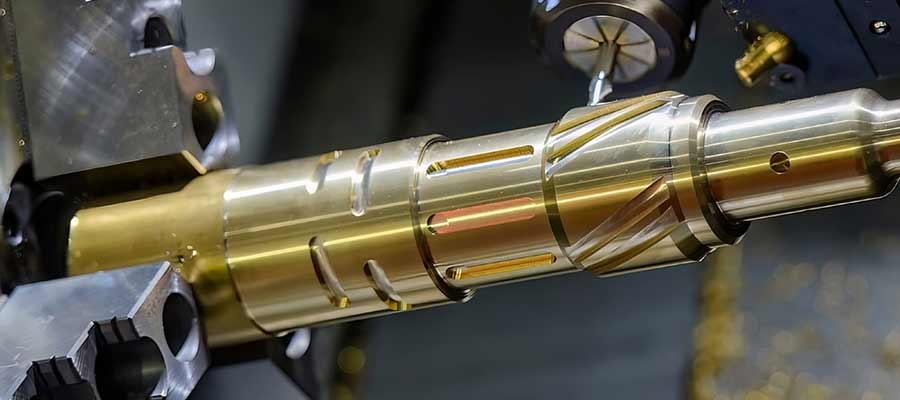
Brass machines like butter. Resists corrosion. Produces clean, attractive finishes. Plumbing fittings, electrical components, valves, decorative hardware—all common applications.
Bonus: antimicrobial properties. Useful for touch-surface products and specialty instruments. Nice extra.
Titanium
Titanium. Extremely high strength-to-weight ratio. Excellent biocompatibility. Challenging to machine? Yes. Essential for aerospace parts, implants, surgical tools, high-performance automotive components? Also yes.
When you need weight reduction and extreme durability in the same package, titanium is the answer. No way around it.
Plastics: Lightweight, Flexible, Cost-Effective
ABS
ABS is cheap, impact-resistant, and machines easily. Prototypes, covers, enclosures—standard stuff. Holds dimensions well. Practical choice for consumer-product development and quick-turn parts.
Nylon
Nylon brings excellent wear resistance, low friction, and strong mechanical flexibility to the table. Gears, bushings, bearings, moving mechanical parts. Great when weight reduction and vibration damping matter.
Delrin (Acetal)
Delrin is the precision plastic. Smooth surface finish. Very low friction. Resists moisture absorption. Maintains tight tolerances like a champ.
Rollers. Pulleys. Valve parts. High-accuracy industrial components. Delrin handles it.
Polycarbonate
Polycarbonate offers transparency, impact resistance, and heat resistance. Clear guards, lenses, lighting covers, safety shields. CNC machining maintains optical clarity and clean edge profiles.
PTFE (Teflon)
PTFE is chemically inert. Handles high heat and aggressive chemicals without flinching. Seals, insulators, laboratory equipment, fluid-handling systems. Soft material, but its stability in harsh environments makes it irreplaceable.
How to Pick the Right CNC Material
Key Factors That Affect Performance and Cost
Mechanical demands. Does the part need strength, stiffness, impact resistance, or flexibility? Start there.
Environmental exposure. Heat? Moisture? Chemicals? Vibration? Know what the part will face.
Machinability. Softer materials machine faster and cheaper. Harder ones eat up tooling. Tradeoffs.
Tolerance requirements. Plastics move more with heat. Metals hold tighter tolerances. Physics doesn’t care about your preferences.
Budget and availability. Some alloys or high-performance plastics have longer lead times. Plan accordingly.
Step-by-Step Material Selection Guide
Step 1: Define the part’s job. Load, temperature, movement, expected lifespan. Get clear on what it needs to do.
Step 2: Choose the performance category. Metal vs. plastic. Big fork in the road.
Step 3: Match mechanical needs. Strength, wear resistance, impact resistance, corrosion resistance. Pick based on reality, not wishful thinking.
Step 4: Evaluate cost vs. durability. Strike a balance for production runs or prototypes. Budget matters.
Step 5: Review machinability. Consider lead time, surface finish, and tolerance needs. Some materials are just easier to work with.
Step 6: Prototype when needed. Short-run CNC machining validates design choices before you commit.
Step 7: Finalize based on testing and real-world use. Data beats assumptions. Every time.
Emerging Trends in U.S. CNC Material Use
Lightweight aluminum and titanium alloys are gaining traction for EV and aerospace components. Weight matters more than ever.
Delrin, UHMW, and nylon use is climbing. Supply-chain availability. Ease of machining. Makes sense.
More focus on reliable, corrosion-resistant metals for long-term infrastructure upgrades. Nobody wants to replace parts every few years.
Rapid prototype demand is driving wider use of ABS and polycarbonate. Fast iterations need fast materials.
FAQs
What is the most commonly used CNC machining material?
Aluminum 6061. Low cost, high strength-to-weight ratio, excellent machinability. The default choice for a reason.
Which material is best for high-strength applications?
Alloy steels like 4140 and titanium grades. Best mix of strength and toughness when the job demands it.
Are plastics suitable for precision CNC parts?
Absolutely. Delrin and nylon hold tight tolerances. Widely used for gears, bushings, and mechanical components. Don’t underestimate them.
What’s the most corrosion-resistant CNC material?
Stainless steel 316 and titanium. Top-tier corrosion resistance. Worth the cost when environment demands it.
How do I know which material is right for my design?
Consider strength, environment, tolerances, cost, and usage conditions. Or just ask a CNC machining provider. They’ve seen it all.
Is titanium worth the extra cost?
Depends on the application. Aerospace, medical, high-performance automotive—yes. General industrial parts? Probably overkill. Match material to requirements.
Why Styner Machine Tools
Styner Machine Tools supports engineers, manufacturers, and product designers across the USA with precision CNC machining, prototyping, and material guidance.
Durable metals. Lightweight plastics. High-performance alloys. Our team helps you choose the right material and delivers reliable, production-ready parts.
Not sure which material fits your project? Styner Machine Tools. We’ll figure it out together.