Here’s the thing about medical devices. There’s no margin for error. None. Zero. An implant that’s even slightly off? That tiny dimensional mistake can turn a routine procedure into a nightmare for the patient. Surgical instruments that don’t quite fit together right? Someone’s life is potentially on the line. This isn’t an industry where you get do-overs.
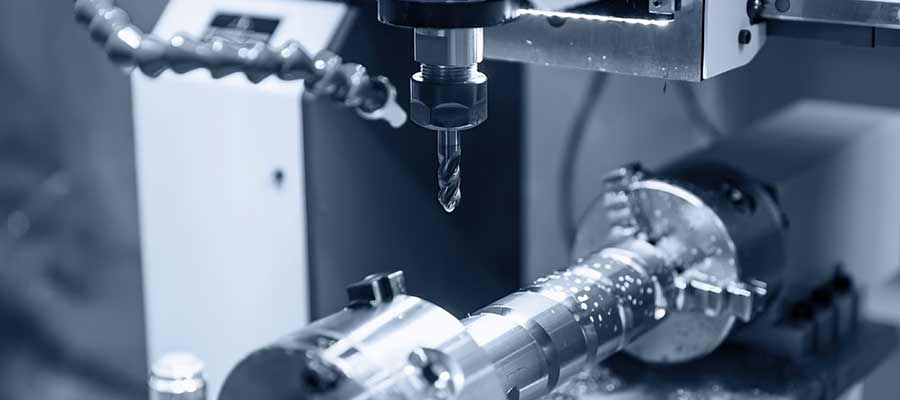
That’s exactly why CNC milling has taken over medical device manufacturing. Computer-controlled accuracy that doesn’t slip. Flexibility to work with all kinds of materials. Repeatability you can actually trust. Doctors and patients are betting everything on these components working perfectly. The manufacturing has to deliver. Period.
Snapshot: What You Need to Know
| Factor | Details |
| Device Lifespan | 10+ years with proper use, no performance loss |
| Cost Range | Few hundred to few thousand per component depending on material and complexity |
| Materials | Stainless steel, titanium, medical-grade plastics, biocompatible alloys |
| Turnaround | Few days to couple weeks for prototypes and small batches |
| USA Trend | Growing demand for patient-specific devices and faster production cycles |
Why Precision Isn’t Just a Buzzword Here
In medical device manufacturing, precision is literally everything. Not marketing speak. Reality. Even the smallest miscalculation messes up implants. Throws off surgical tools. Ruins prosthetics. We’re talking micron-level accuracy. Every cut. Every curve. Every contour. Has to match the design exactly.
Got a surgical instrument that needs to line up perfectly with other tools in an OR? CNC milling nails it. Prosthetic that has to fit one specific patient’s body? Handled. These devices work as intended. Not sometimes. Not usually. Every single time. That kind of reliability saves lives. Literally.
Material Versatility and Biocompatibility
Medical devices have to be strong. Have to be safe. Have to play nice with the human body. Tricky combination when you think about it.
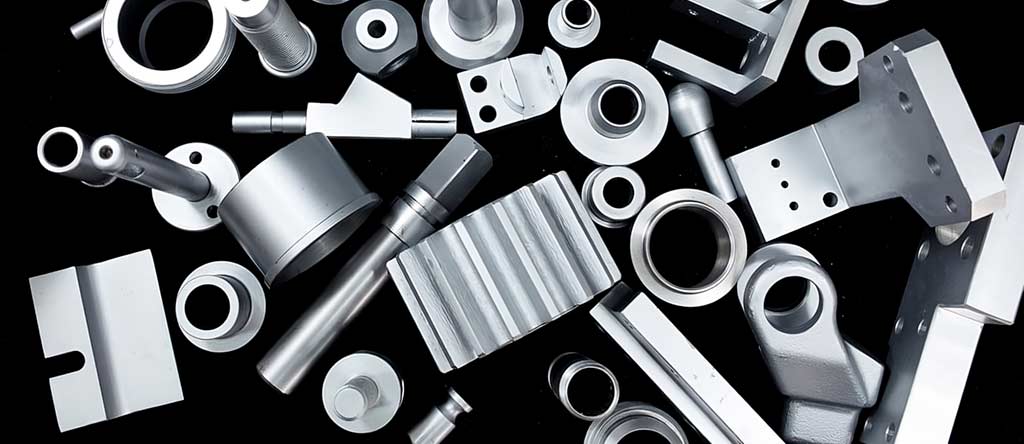
CNC milling pulls it off across tons of different materials. Stainless steel when you need strength. Titanium for lightweight durability that lasts. Medical-grade plastics for specific applications. Specialized biocompatible alloys for implants. All machined with precision that doesn’t compromise material properties.
What’s that actually mean? Implants that survive years inside someone’s body. Surgical tools that keep their shape even under heavy use. Components that sail through FDA and ISO standards. Good materials plus good machining equals good medical devices. Simple equation.
Custom Solutions and Rapid Prototyping
This is where CNC milling flexes. Custom components built for individual patients. Not mass-produced generic stuff that kind of fits most people.
Need a prosthetic designed around one particular person’s anatomy? An implant that matches a patient’s unique bone structure? CNC milling gets it done. Rapid prototyping means manufacturers can test fit and function before going into full production. Development moves faster. Mistakes get caught early. Patients end up with devices that actually fit their bodies properly.
That level of personalized precision? 3D printing can’t touch it. Manual machining can’t either. Different league entirely.
Regulatory Compliance Gets Easier
Medical devices are regulated to death. Makes sense though—patient safety isn’t something to mess around with. FDA rules and ISO standards are brutal. CNC milling makes jumping through those hoops way more manageable.
Automation gives you repeatable processes that don’t drift. Quality control gets simpler because you’re checking consistent output. Documentation is straightforward. Validation becomes predictable instead of a nightmare. Batch after batch stays compliant. Fewer recalls. Fewer expensive delays. Manufacturers sleep better. Patients stay safe. Win all around.
Efficiency That Actually Saves Money
CNC milling isn’t just accurate. It’s fast. Automated machines crank through parts. Downtime stays minimal. Manual labor requirements drop. Digital optimization squeezes every bit of value out of materials. Titanium. Stainless. Medical plastics. Nothing gets wasted unnecessarily.
End result? Production costs go down. Turnaround speeds up. Medical components ship reliably. Quality doesn’t suffer. Numbers actually work in your favor.
Why CNC Milling Wins Over the Alternatives
Reasonable question—why CNC milling specifically?
Manual milling handles simple parts okay. But precision and consistency? Forget it. One machinist has an off day and suddenly tolerances are all over the place. That’s not acceptable when someone’s health depends on the part being right.
3D printing works great for early prototypes. Fast. Cheap. Good for testing concepts. Problem is, lots of printed parts aren’t strong enough for real-world medical use. Surface finishes are often too rough for implants or surgical instruments. Perfect for trying out shapes. Not so perfect for production.
CNC milling lands right in the sweet spot. Strong enough. Precise enough. Repeatable enough. That’s why serious medical manufacturers keep coming back to it.
What Drives Performance and Cost
Bunch of factors affect how CNC milling jobs turn out and what they cost.
Material is huge. Harder metals and exotic alloys eat up machine time. Cost more to work with. Design complexity matters too—fiddly parts with intricate features need more attention and care. Tolerance requirements push things one direction or another. Ultra-tight tolerances mean extra precision work and more quality checks. Batch size plays in. Small runs absolutely work but tend to cost more per unit than big production runs.
Get a handle on these factors and planning gets a whole lot easier. Balance quality, speed, and budget without nasty surprises.
How the Process Actually Works
Here’s the path from concept to finished medical component.
Step 1: Lock Down the Design
CAD models optimized for CNC machining. Catch design problems here instead of discovering them on the machine.
Step 2: Pick the Right Material
Medical-grade material selected based on what the part actually needs to do. Biocompatibility. Strength. Long-term durability. All factored in.
Step 3: Program the Machines
CNC equipment programmed for exact cuts. Toolpaths. Speeds. Feeds. Everything dialed in before metal starts flying.
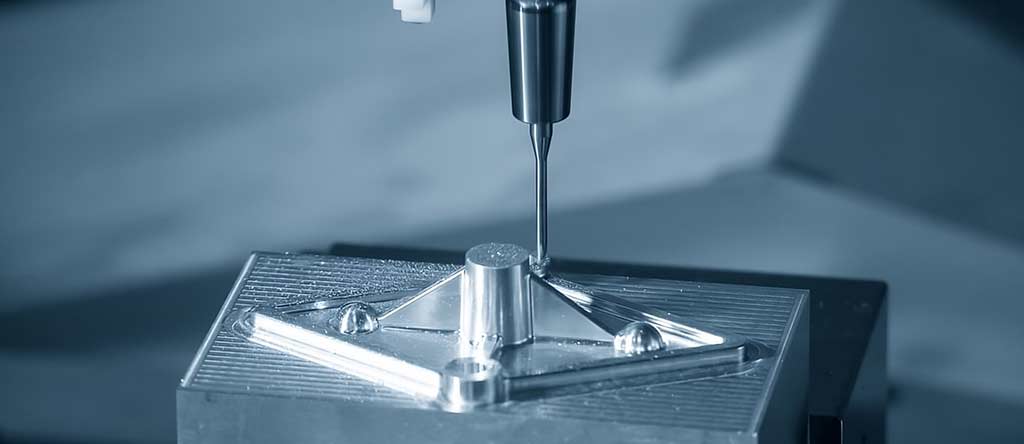
Step 4: Mill and Finish
Parts get machined and polished to spec. Surface finish is critical in medical applications. No cutting corners.
Step 5: Quality Control
Every single piece checked for tolerances and finish quality. Nothing sketchy slips through.
Step 6: Document Everything
All steps logged for regulatory compliance. Traceability isn’t optional in this industry. It’s mandatory.
Step 7: Ship It
Components packaged safely with full documentation. Chain of custody stays intact all the way to delivery.
What’s Happening in the US Market
Medical manufacturers across the US are pushing hard toward faster production. Patient-specific devices are blowing up in demand. Personalized medicine stopped being a futuristic concept—it’s reality now.
CNC milling fits both trends perfectly. High-precision work that doesn’t compromise. Small-batch production that’s actually cost-effective. Custom components built for individual patients. Technology keeps evolving to keep pace.
FAQs
Why pick CNC milling over 3D printing for medical stuff?
Stronger parts. Tighter tolerances. Better surface finish. 3D printing is fine for prototypes but CNC milling delivers production-quality results.
Does CNC milling work with biocompatible plastics?
Yep. Machines them without messing up material properties. Meets all the regulatory requirements. No issues.
How long for a custom implant?
Usually a few days to a couple weeks. Depends on how complex it is and what material you need. Faster than most people expect honestly.
Does CNC milling cut down on errors?
Big time. Automation means repeatable precision. Human error gets squeezed out. Consistent results batch after batch.
Worth it for small batches?
Absolutely. Efficiency and minimal waste make small runs economical. Not just a high-volume game.
What about dealing with regulators?
CNC milling actually helps. Repeatable processes. Solid documentation. Predictable validation. Auditors appreciate consistency. Makes their job easier, makes your life easier.
Why Styner Machine Tools
Styner Machine Tools does CNC milling for medical devices with precision, compliance, and reliability baked into every project. Rapid prototyping when you need concepts tested fast. High-volume production when you need to scale. Whatever the situation calls for.
Safe devices. Effective devices. Delivered when promised. That’s what Styner brings to medical manufacturing.