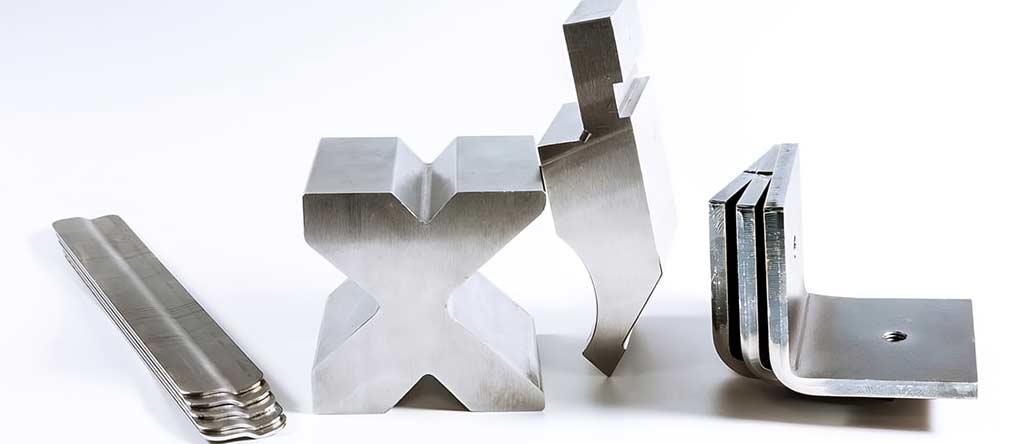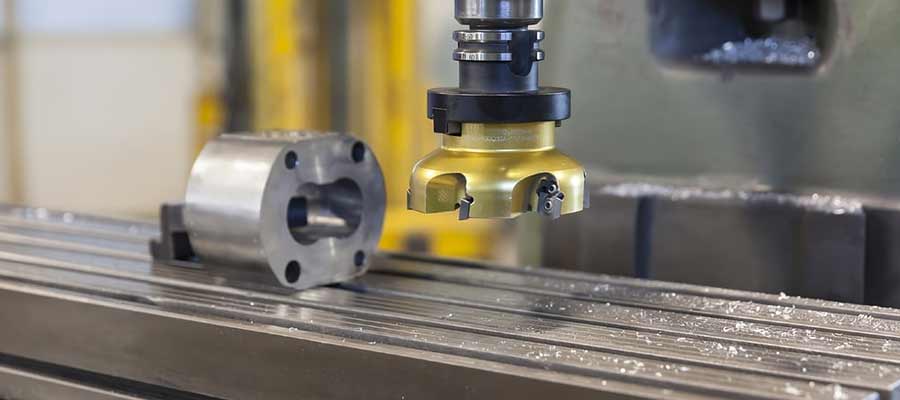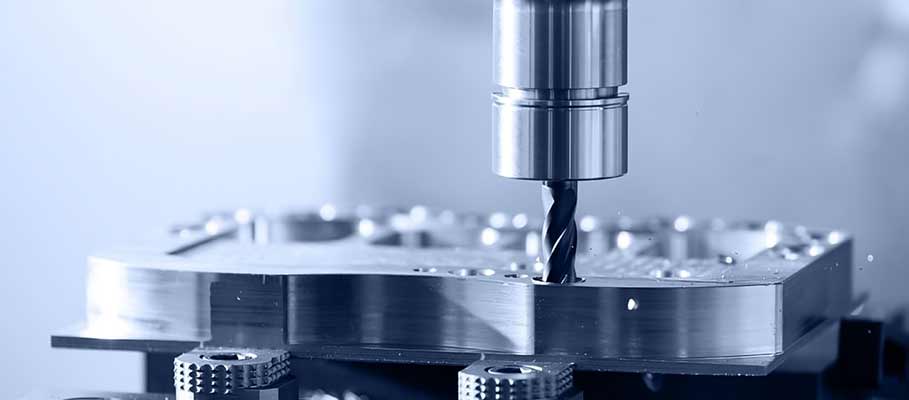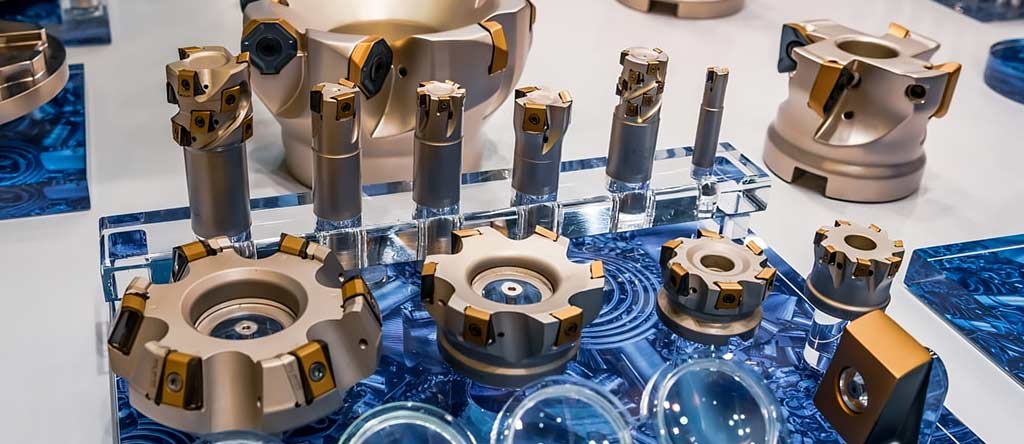
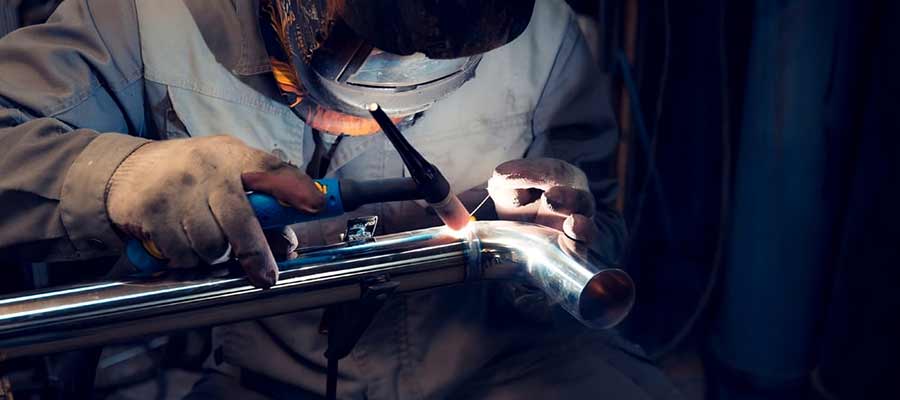
CNC metal bending is critical in automotive manufacturing. No way around it.
Precise components. Consistent quality. Efficient production. Modern vehicles need all three.
Here is the thing about auto manufacturing. Tolerances have to be tight. Repeatability has to be high. A small deviation in a frame bracket or exhaust tube? That causes real problems. Alignment gets thrown off. Crash performance drops. Bad news all around.
CNC bending fixes that. Computer-controlled equipment bends sheet metal, tubes, and profiles with accuracy that manual methods cannot touch.
Snapshot: What to Know
| Category | What It Means |
| Part Lifespan | Lasts as long as the vehicle—often longer |
| Cost Range | Varies by material, complexity, tolerances, batch size |
| Materials | Aluminum, stainless, mild steel, high-strength steel, specialty alloys |
| Speed | Automated sequences mean fast turnaround |
| Best Uses | Chassis brackets, exhaust tubes, body panels, EV parts |
| U.S. Trend | EV demand driving need for lightweight precision components |
Why CNC Bending Matters
Modern CNC press brakes and robotic tube benders hit the same exact bend thousands of times. No drift. No variation. That kind of consistency is essential for safety-critical stuff.
Think about what gets bent:
- Chassis brackets and frame supports
- Exhaust systems and flow-optimized tubes
- Body panels—structural and cosmetic
- Suspension arms, sway bars, linkages
CNC pulls instructions straight from CAD files. Every part runs the same program. Rework goes down. Assembly goes smoother. Quality stays where it needs to be.
How Automation Helps Production
Auto plants run tight schedules. Just-in-time production means delays are not an option. CNC bending supports that by automating the slow, labor-heavy steps.
Faster Output
Automated sequences run quick and stay accurate. Production jumps.
Quick Changeovers
Programs save and reload for different parts. Switching between vehicle models takes minutes, not hours.
Runs Around the Clock
CNC equipment needs minimal supervision. Night shifts work. Continuous production works. Flexibility.
Lower Labor Costs
Less reliance on manual bending specialists. Skilled workers move to complex fab or inspection instead.
These benefits make CNC bending essential. Small prototype shops to massive OEM lines—everyone uses it.
Cost Savings and Quality
Biggest win with CNC bending? Less waste. Fewer rejects.
Automated machines nail bend angles. Cracking, deformities, springback—all minimized.
Where the savings come from:
- Better material usage through smart nesting and sequencing
- Less scrap on the floor
- Less time inspecting and reworking
- Fewer tooling swaps
- Lower operating costs over time versus doing it by hand
Consistency cuts warranty claims too. Assemblies perform better. Vehicles end up more reliable. Everybody wins.
CNC Bending vs. Other Methods
CNC vs. Manual Bending
CNC is more precise and repeatable. Manual bending is slower and really only makes sense for small, non-critical work.
CNC vs. Stamping
Stamping is great for high-volume sheet metal. But the dies cost a fortune. CNC bending is more flexible and makes sense for mid-volume and custom shapes.
CNC vs. Hydroforming
Hydroforming makes complex tubular shapes but it costs more. CNC tube bending delivers precision and affordability for most automotive tubing needs.
CNC vs. Laser Cutting
Different jobs. Laser cuts the shape. CNC bending forms it. Often used together on chassis parts, brackets, body structures.
What Affects Quality and Cost
Shopping for CNC-bent auto parts? These factors set your price and quality.
1. Material
High-strength steel and thick stainless need more force. Sometimes special tooling. Adds cost.
2. Bend Complexity
Multiple bends, tight radii, custom shapes—all mean more programming and setup.
3. Tolerances
Safety-critical parts need tighter specs. Slower speeds. More inspection. Higher cost.
4. Batch Size
Bigger runs drop per-part cost. CNC thrives on repeatability.
5. Surface Finish
Coating, deburring, polishing—all add time and money to the final product.
Step-by-Step: Automotive CNC Bending
Here is how U.S. fab shops typically handle it:
- Design Review: Check CAD files for feasibility and material fit.
- Simulation: Test bend sequences digitally. Catch collisions or distortion before real metal bends.
- Programming: Generate CNC instructions. Load them up.
- Setup: Install tools and dies. Align everything.
- Test Bends: Run first articles. Inspect them closely.
- Production: Tests pass? Machine runs the batch automatically.
- Final Inspection: Check consistency, tolerances, finish. Ship when ready.
U.S. Trends
American automotive is changing fast. CNC bending is changing with it.
Lightweight Materials
EVs and fuel-efficient cars mean more aluminum and advanced steels. Equipment that handles thin or tricky materials precisely is in demand.
More Automation
Robot-fed press brakes and integrated bending cells are becoming standard. Mid-size to large facilities are all upgrading.
EV Components
Battery trays, cooling channels, brackets, crash structures—CNC bending is essential for all of it. Accuracy and strength required.
FAQs
What auto parts use CNC bending most?
Chassis brackets, exhaust tubes, body panels, roll cages, suspension components. The usual suspects.
Does it work with lightweight materials?
Yes. Aluminum, high-strength steel, specialty alloys. Modern machines handle them with high accuracy.
How accurate is CNC bending?
Tolerances within a few thousandths of an inch on most machines. Material and tooling affect it.
Cost-effective for small batches?
Yes. No expensive dies required. Prototypes and mid-volume runs work great.
How does it support EV manufacturing?
Battery housings, structural brackets, cooling tubes, lightweight body parts. Essential for electric vehicles.
What is turnaround like?
Fast. Automated sequences and quick setup mean most projects ship quickly.
Why Styner Machine Tools
Styner Machine Tools offers advanced CNC machining, precision bending, and full fabrication support for automotive manufacturers across the USA.
Prototypes or high-volume work—we deliver consistent quality. Modern equipment. Reliable turnaround.
Precision manufacturing. Experienced team. Quality that holds. That is Styner.