Want to know why CNC machining dominates agricultural equipment manufacturing? It produces strong, precise, long-lasting components. That’s not sales pitch fluff. That’s what actually happens on the shop floor.
Think about what farm machinery goes through. Gets absolutely hammered out in the field. Dirt and grit everywhere. Caked-on mud that never fully comes off. Vibration that loosens everything over time. Impacts when rocks or debris hit. Weather that swings from scorching heat to freezing cold. And the hours? Brutal. Especially during harvest when equipment runs sunup to sundown with barely a break.
Either parts hold up or they don’t. No middle ground. That’s exactly why manufacturers across the US rely on CNC machining. Accuracy that doesn’t drift. Durability that lasts. Consistency across every single part. Job after job after job.
Snapshot: CNC Machining for Agricultural Equipment
| Category | Details |
| Part Lifespan | 8–20+ years depending on material, load, environment |
| Common Materials | Steel alloys, tool steel, aluminum, cast iron, engineering plastics |
| Pricing Range | $45–$120/hr machine time; prototypes $60–$350+ |
| Best Use Cases | High-precision parts, heavy-duty components, low to medium volume |
| USA Trend | More CAD modeling, rapid prototyping, short-run production for specialized machinery |
Why CNC Machining Matters in Agricultural Equipment Manufacturing
Precision and Reliability When Conditions Are Awful
Let’s be real about what farm equipment faces. Dust so thick you can taste it. Mud that gets into everything. Nonstop vibration shaking bolts loose. Random impacts from rocks, roots, debris. Weather that doesn’t care about your equipment warranty. And operators pushing machines hard because there’s work to do and daylight’s burning.
One small component out of spec? Whole machine can go sideways. During planting or harvest that’s not just annoying—that’s money walking out the door every hour the equipment sits idle.
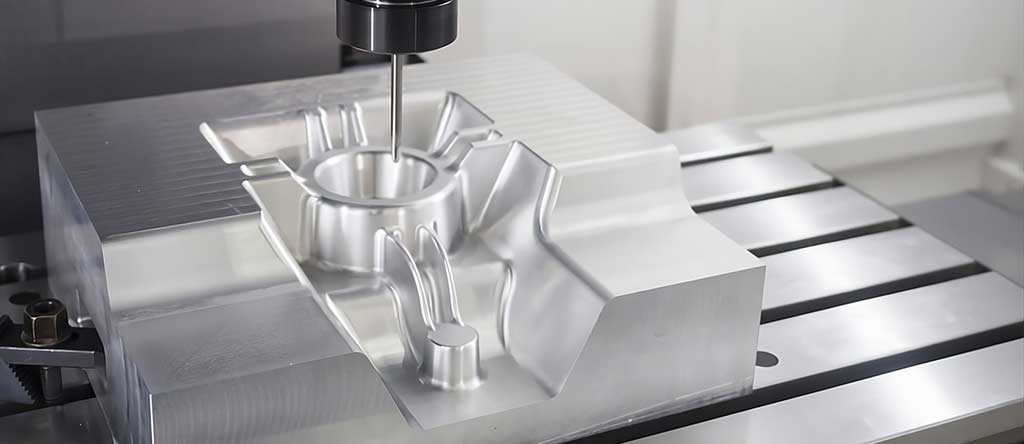
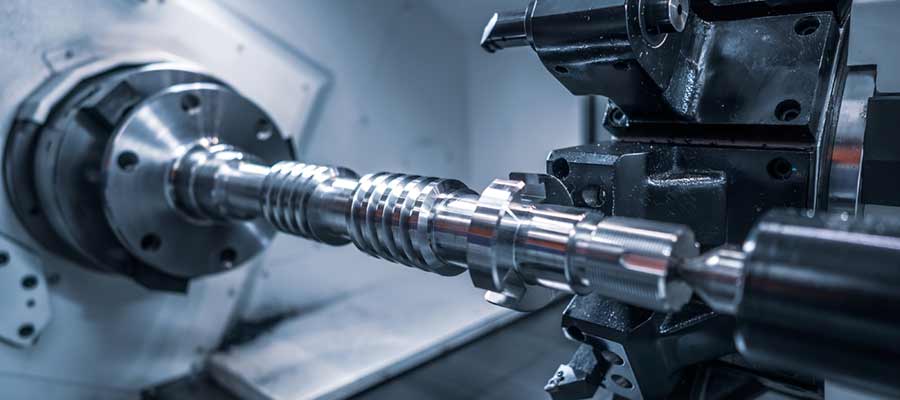
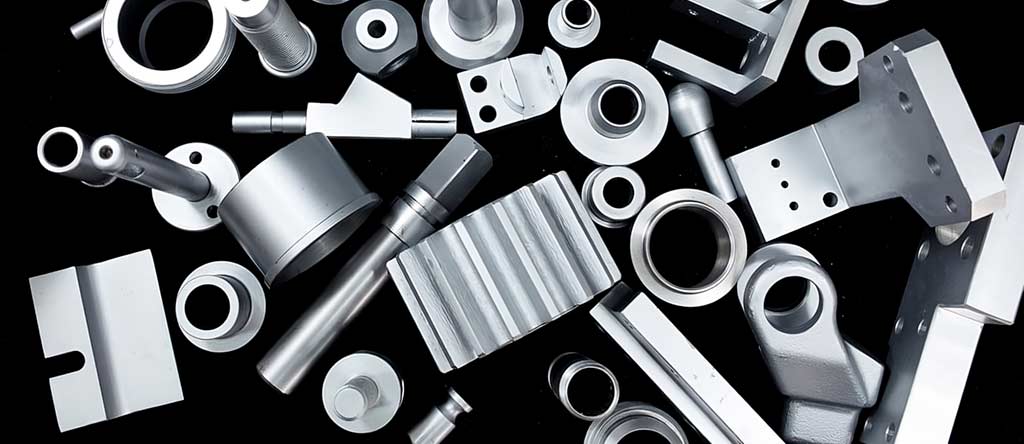
CNC machining delivers the ultra-tight tolerances critical parts demand. Engine and powertrain stuff. Hydraulic housings and fittings. Gearbox shafts and gears. Bearing seats. Precision bushings. Custom brackets and structural hardware. All cut to exact digital specs.
Every part matches the CAD model. Repeatable accuracy across the whole batch. Means less premature wear. Fewer breakdowns. Less surprise downtime. Directly hits farm productivity and profitability. Pretty straightforward math.
Material Versatility for Brutal Operating Conditions
Agricultural components need to resist corrosion. Survive impacts. Handle constant vibration. Deal with extreme loads day after day. Not exactly a forgiving environment.
CNC machining works with all the tough materials you’d expect. Steel and tool steel for high-stress structural parts. Aluminum when you need lighter housings and covers. Cast iron for maximum rigidity. Engineering plastics for wear-resistant bushings and guides.
Shaping these materials accurately means longer equipment life. Fewer trips to the repair shop. Fewer replacement parts to buy. Lower total cost of ownership over time. Numbers work in your favor.
Lower Production Costs Through Automation
CNC machining slashes production time and labor versus manual methods. Big difference. Once the program loads, machines basically run themselves.
Long batches with minimal babysitting. Identical parts coming off one after another. Less scrap because cuts are precise. Better throughput. More predictable scheduling. For agricultural manufacturers all that translates to fewer production mistakes. Faster delivery. Smarter use of raw materials. Lower per-part costs especially on small and medium runs.
End result? More affordable, more durable, more competitive agricultural machinery.
Fast Prototyping and Shorter Development Cycles
Agricultural technology moves quick. New attachments hitting the market. Updated fuel systems. Better harvesting components. Smarter mechanical assemblies. Constant evolution.
CNC machining makes prototyping actually fast. Go from CAD file to working prototype to field testing in days. Not weeks. Try multiple design variations without blowing the budget. Validate fit, function, durability before committing to full production. Catch problems while they’re still cheap to fix.
Faster prototyping means faster innovation. Helps manufacturers stay ahead of competitors who are still waiting on their tooling. No getting around that advantage.
Highly Customizable for Specialized Applications
Farms aren’t all the same. Different crops need different equipment. Soil conditions vary wildly region to region. Farming styles differ based on operation size, climate, terrain. Equipment often needs tailoring.
CNC machining handles customization without drama. Specialty tillage components. Custom mounting brackets or hitches. Modified hydraulic blocks. Reinforced wear parts. One-off replacements when OEM parts aren’t available or take too long.
Flexibility to deliver exactly what a specific application needs. That’s where CNC really shines.
How CNC Machining Compares to Other Methods
CNC Machining vs Casting
CNC machining wins on precision. Works great for small to medium batches. Casting makes more sense for very high volume stuff. Most agricultural components that need strength, accuracy, or complex geometry? CNC is the better call.
CNC Machining vs Forging
Forging gives you exceptional strength but limits your shapes. CNC handles tight tolerances and finishes forged blanks beautifully. Lots of manufacturers use both together. Forge for strength. CNC for precision. Smart pairing.
CNC Machining vs Fabrication or Welding
Fabrication handles big structural components well. CNC machining is best for moving parts, mating surfaces, anything needing precision assemblies. In ag equipment, CNC typically takes the jobs where accuracy is non-negotiable.
Key Factors Affecting CNC Machining Performance and Cost
Material choice drives a lot. Harder stuff like tool steel means longer machining time. Costs more. Tolerances matter too—tighter specs need more programming and machine time. Complex parts add toolpaths and sometimes extra setups. Higher quantities drop your per-part cost. Surface finish requirements might mean additional operations. Know these factors and you can budget accurately and pick the right process.
Step-by-Step Framework for CNC-Machined Agricultural Parts
Step 1: Design and CAD Modeling
Lock down geometry. Identify critical surfaces. Define load requirements. Pick materials. All starts in CAD.
Step 2: DFM Review
Engineers look at the design and optimize for faster machining, lower cost. Catches dumb mistakes before they get expensive.
Step 3: CAM Programming
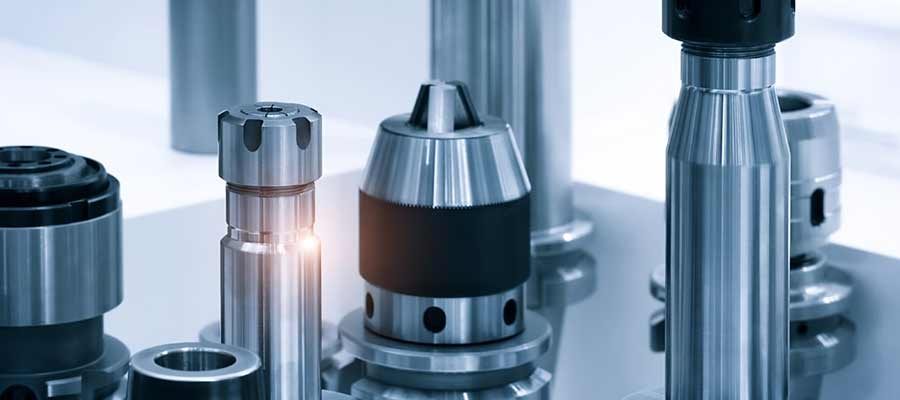
Toolpaths, feeds, speeds all programmed and simulated. Basically a digital dry run before any metal gets cut.
Step 4: Machining and Quality Checks
Parts get made. Inspected. Measured. Nothing goes out the door without verification.
Step 5: Assembly Fit Test
Put components together and check real-world performance. Does it actually work the way it should? Find out now, not in the field.
Step 6: Final Adjustments or Production Run
Once everything checks out, full production kicks off. Quality control stays consistent throughout.
Current Trends in US Agricultural Manufacturing
More automation showing up on farms means more precision components needed. Steel and aluminum demand keeps climbing, pushing shops to machine more efficiently. Short-run production is growing because equipment keeps getting more specialized. Digital twins and advanced CAD modeling are cutting development time way down.
CNC machining sits right in the middle of all these trends. Not going anywhere.
FAQs
Why is CNC machining important for agricultural equipment?
Keeps critical components accurate and dependable even when conditions are rough and loads are heavy. Equipment that actually works when you need it.
What materials work best for CNC-machined farm parts?
Steel, tool steel, aluminum, cast iron, and engineering plastics cover most applications. Depends what the part needs to do.
Is CNC machining cost-effective for low-volume agricultural parts?
Definitely. Works great for small and medium batches where precision and durability matter. Not just a mass production thing.
How long do CNC-machined parts typically last?
Lots last 8–20+ years depending on load, wear, environment. Quality machining really does extend service life.
Can CNC machining handle custom or one-off farm components?
That’s actually a sweet spot for it. Custom and specialized agricultural parts are no sweat.
What’s the typical turnaround for prototypes?
Days, not weeks. CAD to prototype to field testing happens fast with a good shop.
Why Styner Machine Tools
Styner Machine Tools handles precision CNC machining, prototyping, and custom manufacturing for agricultural equipment builders across the US. High-strength steel components. Complex hydraulic assemblies. Whatever the job demands.
We help manufacturers build more reliable equipment. Cut downtime. Move innovation forward. That’s what Styner brings to the table.