CNC machining changed everything in manufacturing. Not an exaggeration. It transformed how industries produce components in aerospace, automotive, medical, and consumer electronics. All of it.
New to CNC? Want to understand it better? Here’s what it is. How it works. Why it matters.
Snapshot: CNC Machining at a Glance
| Category | Details |
| What It Is | Computer-controlled manufacturing using programmed instructions |
| Common Processes | Milling, turning, drilling, cutting, engraving |
| Materials | Metals (aluminum, steel, titanium), plastics (ABS, nylon, Delrin), composites |
| Typical Tolerances | ±0.001” to ±0.005” standard/tighter available |
| Industries Served | Aerospace, automotive, medical, electronics, defense, consumer products |
| Advantages | High precision, repeatability, complex geometries, material versatility |
| Production Speed | Prototypes in days / Production runs in 1–3 weeks |
The Basics of CNC
CNC means Computer Numerical Control. Fancy term for a simple idea. Pre-programmed software tells machining tools what to do.
Old way? Operators physically control tools by hand. CNC way? Automated. Software runs the show. Precision goes up. Repeatability improves. Mistakes drop.
Works on all kinds of machinery. Lathes for turning. Mills for cutting. Routers for shaping. Grinders for finishing. Pick the right tool for the job.
Here’s the key part. The machine follows coded instructions. Usually G-code. Those instructions tell it exactly how to move, cut, and shape the materials. Human error gets minimized. Complex parts with tight tolerances become possible.
CNC machining cuts, drills, engraves, bends, and shapes a variety of materials. Metals. Plastics. Composites. Wood. Versatility is part of the appeal.
How CNC Machining Works
CNC machining follows a multi-step process. Each step matters. Skip one and problems follow.
Designing the Part
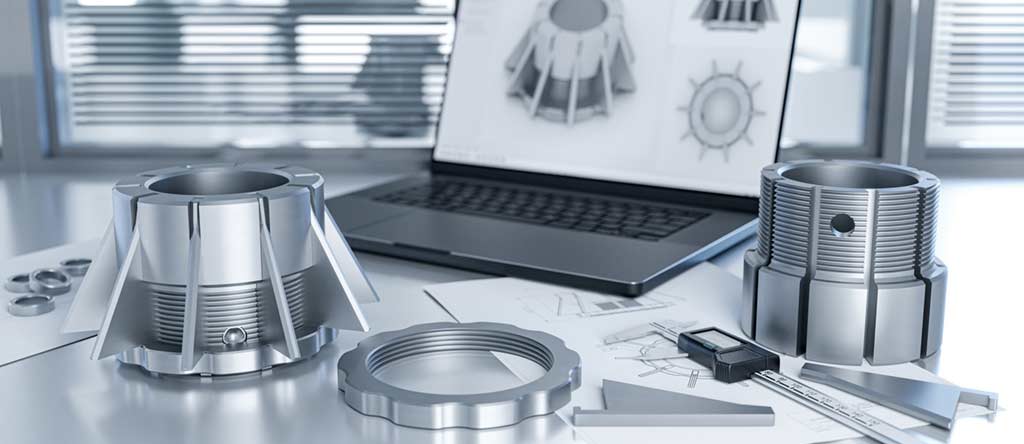
The first step is designing the part using CAD software. Computer-Aided Design. Engineers create a digital 3D model of the component. Specify dimensions. Material requirements. Tolerances.
This design is the blueprint for everything that follows. Get it wrong here, and nothing else matters.
Converting the Design into G-Code
Once the design is complete, it gets converted into CNC-compatible instructions using CAM software. Computer-Aided Manufacturing.
This software generates G-code. A programming language that provides precise instructions. It tells the CNC machine how to move. What cutting paths to follow. How deep or fast to cut.
G-code is the language machines understand. Everything else is just preparation.
Machine Setup
Before production begins, the CNC machine needs proper setup. Install the correct tooling. Secure the raw material—the workpiece. Calibrate the machine for proper alignment.
Operators often run a test program first. A dry run. Check for potential errors before committing to the full production cycle.
Setup takes time. Rushing it causes problems. Expensive problems.
Running the Program
Setup done. Time to cut. The machine reads the G-code and starts moving.
What happens next depends on the part. It could be one operation. It could be several.
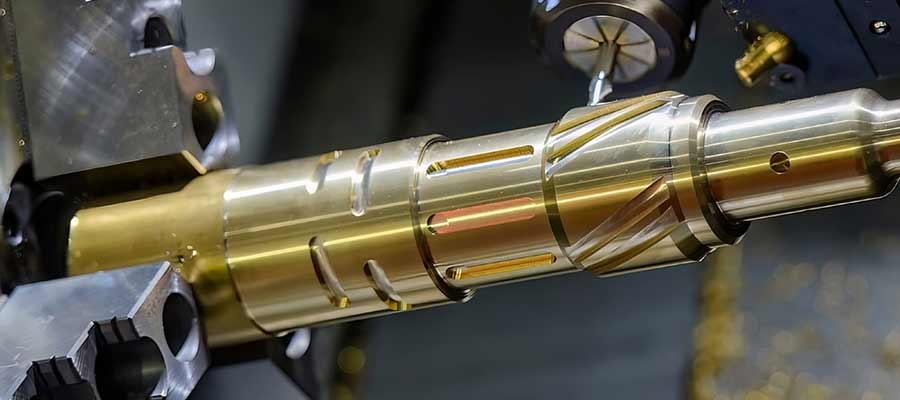
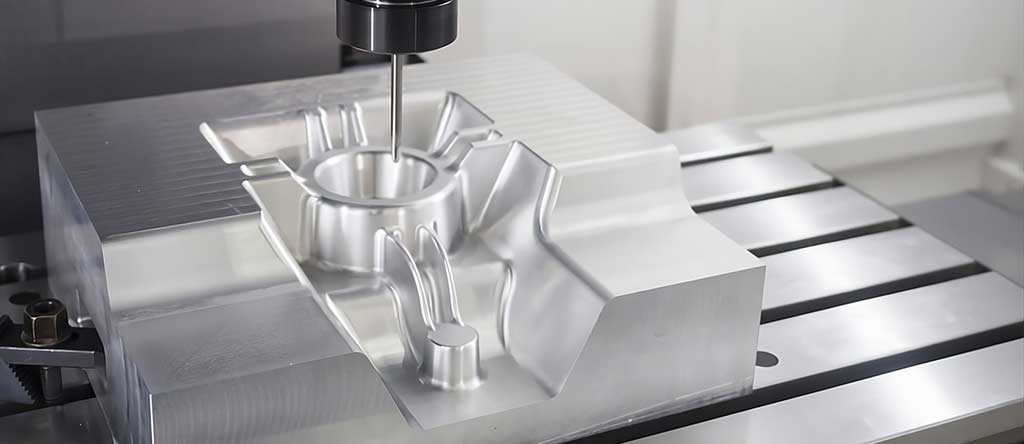
Milling is one option. Rotary cutters spin and remove material. Shapes the part layer by layer.
Turning works differently. The workpiece spins instead. A stationary cutting tool shapes it as it rotates.
Drilling punches holes. Different diameters. Different depths. Pretty straightforward.
Cutting slices through material completely. Lasers. Plasma. Water jets. Each has its place.
Engraving adds detail. Patterns. Logos. Serial numbers. Text etched into the surface.
Precision stays consistent. Part after part after part. That’s why this matters.
Checking the Work
Machining finished? Not done yet. Parts need verification.
Calipers measure dimensions. Micrometers check tighter tolerances. CMMs—coordinate measuring machines—handle the really precise stuff. Every spec gets checked against the original design.
Sometimes parts need finishing work too. Polishing smooths surfaces. Anodizing adds protection. Coatings improve durability or appearance.
None of this is optional on critical parts. It’s how you confirm the part actually works.
Why CNC Machining Matters
CNC machining became the backbone of modern manufacturing for good reasons. Several of them actually.
Precision That’s Hard to Match
CNC machines produce components with incredibly tight tolerances. Often within microns. This accuracy is essential in industries where even small variations affect product performance.
A part that’s almost right? That’s a failed part in critical applications.
Efficiency That Scales
CNC machines operate automatically. Run continuously with minimal human intervention. Faster production rates. Reduced lead times. Increased output.
Machines don’t take breaks. They don’t get tired. They just run.
Consistency You Can Count On
Manual machining? Each part may have slight variations. CNC machining ensures every part produced is identical. Same dimensions. Same finish. Same performance.
This consistency is crucial for mass production. Automotive. Aerospace. Medical devices. Industries where parts must be interchangeable.
Material Flexibility
CNC machines work with diverse materials. Aluminum. Stainless steel. Titanium. Plastics. Composites.
This flexibility makes them suitable for applications across industries. One technology, countless uses.
Cost Efficiency Over Time
Initial setup can be expensive. True. But CNC significantly reduces long-term production costs. Automation minimizes labor costs. Reduces material waste. Eliminates rework from errors.
The math works out. Especially at scale.
Complex Designs Made Possible
CNC machining creates intricate designs that would be impossible manually. Or extremely difficult. Advanced CNC machines produce multi-axis movements. Highly detailed components become achievable.
If you can design it, CNC can probably make it.
FAQs
What does CNC stand for?
Computer Numerical Control. The machine follows programmed instructions rather than manual operation. Software controls the cutting tools.
What materials can be CNC machined?
Most materials work. Metals like aluminum, steel, stainless steel, brass, and titanium. Plastics like ABS, nylon, Delrin, and polycarbonate. Composites and wood too. Material choice depends on the application.
How accurate is CNC machining?
Very. Standard tolerances range from ±0.001” to ±0.005”. Tighter tolerances are possible with the right equipment and setup. Precision is CNC’s main advantage.
Is CNC machining expensive?
Depends on the part. Setup costs are fixed regardless of quantity. Simple parts in easy materials are affordable. Complex parts in difficult materials cost more. Volume helps—per-unit cost drops as quantity increases.
How long does CNC machining take?
Prototypes can be done in days. Production runs typically take 1–3 weeks depending on complexity and quantity. Rush orders are usually possible for additional cost.
What’s the difference between CNC milling and turning?
Milling uses rotating cutters that move across the workpiece. Turning rotates the workpiece while a stationary tool shapes it. Different processes for different part geometries.
Why Styner Machine Tools
For businesses looking for reliable CNC machining services, the right partner matters. State-of-the-art equipment. Skilled engineers. Quality standards that don’t slip.
Styner Machine Tools delivers precision manufacturing that meets the highest standards. Products that perform. Every time.