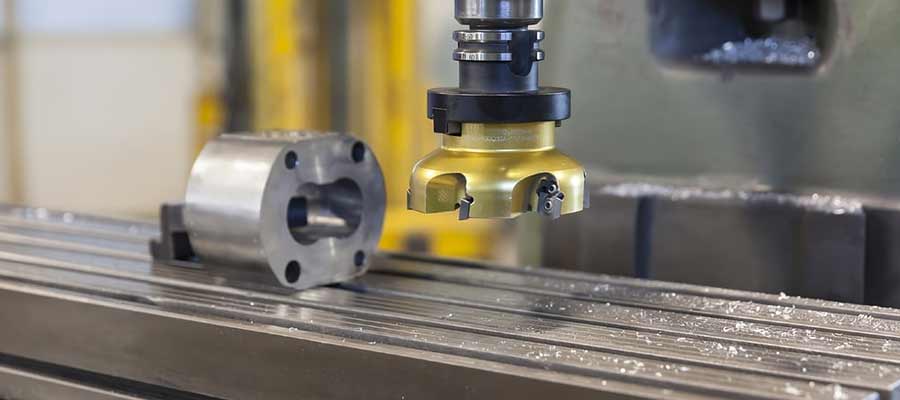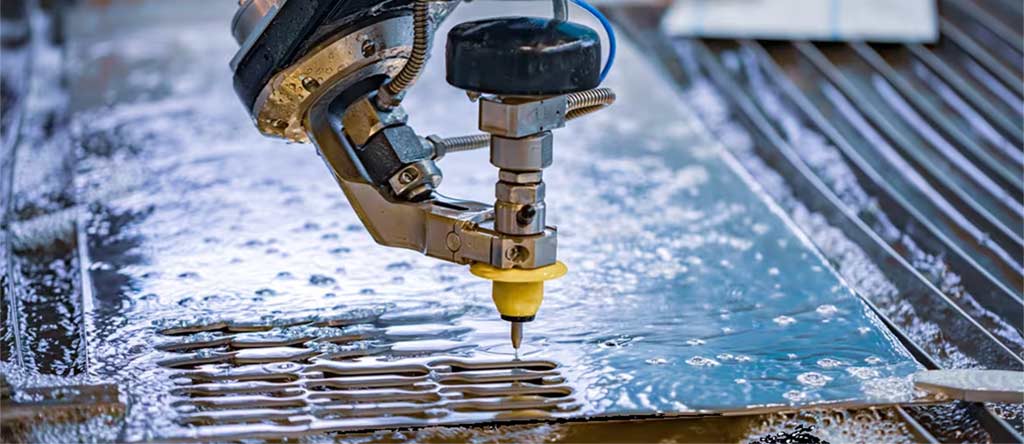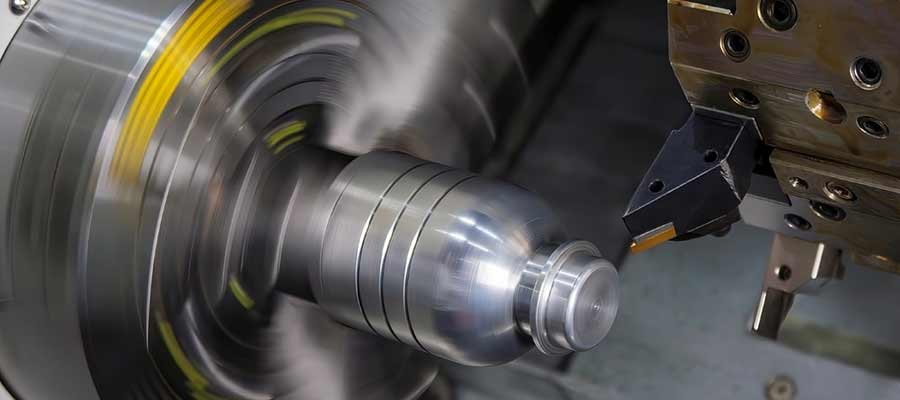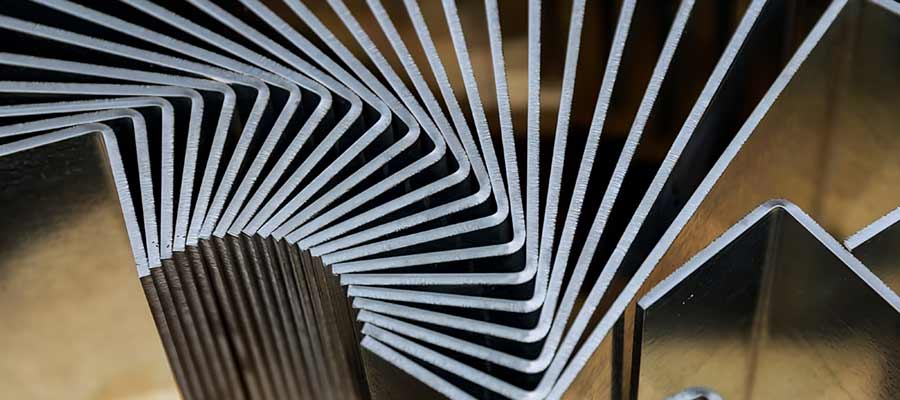
Talk to anyone who’s spent time around defense manufacturing. Go ahead. Ask them what keeps military equipment running when everything else falls apart. Nine times out of ten, they’ll point to one thing: CNC machining.
Not injection molding. Not casting. Not 3D printing. CNC.
There’s a reason for that. Military parts face conditions that would destroy commercial components in hours. We’re talking about gear that has to work perfectly in 130-degree desert heat, then perform just as well in Arctic cold the next deployment. Equipment that absorbs explosions, shrugs off vibration, and keeps functioning when failure means somebody doesn’t come home.
Heavy stuff, right? That’s why precision matters so much in this space. A machinist I know—guy named Dave who’s been doing defense work for 22 years—puts it this way: “Commercial tolerance is about making things fit. Defense tolerance is about making things survive.” Stuck with me ever since he said it.
Snapshot: What You Need to Know
| Category | Details |
| Typical Component Lifespan | 10–30+ years depending on material, stress load, and environment |
| Common Materials | Titanium, hardened steels (4140/4340), aerospace aluminum (6061/7075), composite materials |
| Cost Range | Simple parts: $50–$300 each • Complex multi-axis parts: $500–$5,000+ |
| Production Speed | Prototypes in days • Short-run production in 1–3 weeks |
| Key Industries Served | Defense contractors, aerospace programs, vehicle and weapons manufacturers, R&D labs |
| Local Insight (USA) | Growing demand for high-tolerance components and secure domestic production to reduce overseas reliance |
Why CNC Machining Runs Defense Manufacturing
Let me paint a picture. Tank rolling through rough terrain at 40 miles per hour. Every bolt, every bracket, every housing absorbing constant punishment. Now imagine what happens if one critical component—just one—fails because some machine shop cut corners on tolerance.
Yeah. Not good.
Or think about helicopter avionics. Vibration levels in those aircraft would shake apart most commercial parts within weeks. The brackets holding sensitive electronics? They need to be perfect. Not close to perfect. Actually perfect. Miss by a few thousandths of an inch and you’ve got resonance issues that compound over time until something cracks.
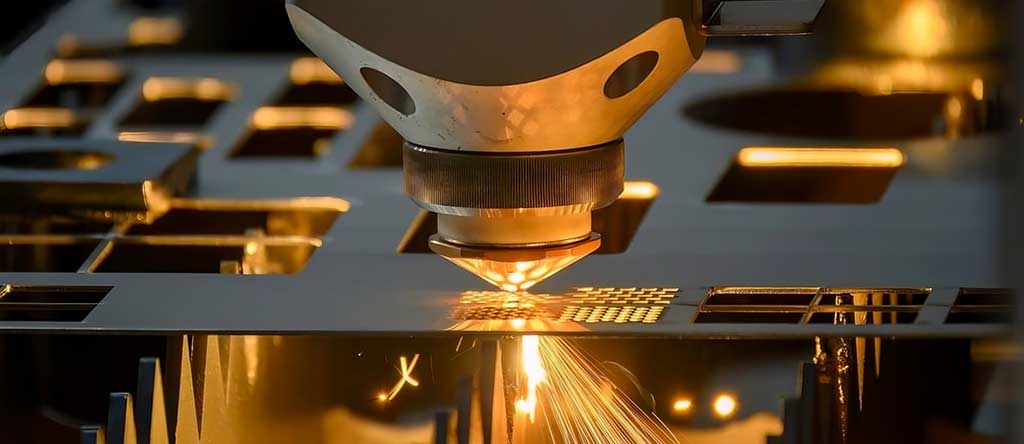
CNC machining handles this stuff because digital controls don’t get tired. They don’t have off days. They repeat the exact same cutting path whether it’s part number one or part number ten thousand. That consistency? You can’t fake it with manual machining. You just can’t.
The Accuracy Question (And Why It Actually Matters)
Here’s where things get interesting. Modern CNC equipment holds tolerances measured in microns. For perspective—a human hair runs about 70 microns thick. These machines cut metal to precision levels your eyes literally cannot see.
Sounds like overkill until you look at what’s being machined:
- Firearm receivers where being off by half a millimeter means the action doesn’t cycle right
- Missile guidance housings protecting electronics worth more than most houses
- Jet avionics brackets that absorb vibration at frequencies that would destroy ordinary mounts
- Optical sensor shells needing alignment precise enough for targeting systems
- Armored vehicle components taking blast impacts that would shatter anything less robust
A guy who used to inspect parts for a major defense contractor told me something wild. He said they rejected an entire batch once—200 parts—because tolerances drifted by 0.0003 inches over the production run. Three ten-thousandths. In commercial work, nobody would’ve noticed. In defense work, those parts went in the scrap bin.
Harsh? Maybe. But when equipment fails in the field, harsh becomes the only standard that matters.
Materials That Laugh at Abuse
Commercial parts live soft lives. Climate-controlled warehouses. Gentle handling. Predictable stress loads. Defense parts? Different universe entirely.
Picture equipment baking in Middle East heat for months. Same gear later sitting in freezing rain at some forward operating base. Salt air corroding everything it touches. Explosive overpressure waves hammering metal that has to stay intact no matter what.
The materials used in defense machining exist specifically for this kind of punishment:
- Titanium – Weighs almost nothing compared to steel but shrugs off corrosion like it’s not even there. Aircraft love this stuff.
- 4140 and 4340 hardened steel – The go-to for barrels, receivers, anything taking repeated impact. Tough as it gets.
- Aerospace aluminum (6061, 7075) – Strong enough for structural work but light enough that aircraft can actually fly with it.
- Composites – Show up in stealth applications where radar signature matters more than raw strength.
Thing is, these materials fight back. Titanium eats cutting tools for breakfast. Hardened steel generates heat that can warp parts if you’re not careful. CNC machining succeeds here because the process stays consistent regardless of how difficult the material gets. Same feeds, same speeds, same precision whether it’s part one or part five hundred.
One scrapped component on a weapons system can ground equipment for weeks while replacements get sourced. CNC precision helps avoid that nightmare scenario.
Prototyping Speed That Actually Keeps Pace
Defense programs don’t move on predictable timelines. Intel changes. Threats evolve. Some general decides the spec needs updating based on field reports that came in last Tuesday. Suddenly everyone’s scrambling.
Waiting three months for prototypes? Not happening. The teams that iterate fastest tend to win contracts. Simple reality of the business.
CNC prototyping works like this:
- Engineer sends over CAD files on Monday morning
- Shop reviews for manufacturability, flags any issues by Tuesday
- First prototype parts cutting by Wednesday or Thursday
- Physical prototypes in hand for testing within days, not months
And here’s what most people miss: those prototypes come off the same machines using the same process as final production parts. So when testing passes, you already know exactly what the production run will deliver. No translation errors. No “well, the prototype was great but production parts came out different.” What you test is what you get.
That predictability matters when contracts worth millions ride on performance.
Security That Actually Holds Up
Let’s talk about something most articles gloss over. Security in defense manufacturing isn’t just about locks on doors. It’s about controlling every single touchpoint where sensitive data or materials could leak.
One compromised CAD file can expose classified geometry to adversaries. One component sourced through sketchy overseas channels can introduce vulnerabilities nobody catches until it’s too late. These aren’t hypotheticals—they’re scenarios that keep program managers up at night.
CNC machining done right addresses this:
- Production stays in-house, on American soil, with vetted personnel
- Digital files live on secured networks with access controls that actually mean something
- Material certifications trace back to verified domestic sources
- Classified projects get handled under protocols that satisfy ITAR and other regulatory frameworks
For ITAR-controlled work especially, this kind of security isn’t optional. It’s legally mandated. Mess it up and you’re looking at fines, lost contracts, and a reputation that takes years to rebuild.
Worth getting right the first time. Trust me on that.
When Designs Get Complicated
Modern defense equipment pushes geometry into territory that would’ve seemed impossible twenty years ago. Internal cooling channels that snake through solid blocks. Aerodynamic surfaces with compound curves. Weight-optimized structures with pockets machined from the inside.
Five-axis CNC mills made this stuff practical. Instead of repositioning parts multiple times—introducing error each time—these machines approach from any angle needed. One setup. Full access to complex geometry. Precision maintained throughout.
What kinds of parts actually need this capability?
- Structural components with internal pockets that cut weight by 40% without sacrificing strength
- Sensor housings requiring micron-level alignment across multiple surfaces
- Thermal management features that keep electronics from cooking themselves during operation
- Missile components where every gram of weight and every millimeter of fit matters
Engineers designing this stuff can finally focus on performance optimization instead of constantly asking “but can this actually be machined?” The answer now is usually yes—if you’ve got the right equipment and the people who know how to run it.
Experienced shops develop fixturing strategies and toolpath approaches that make “impossible” geometries routine. That institutional knowledge? Worth its weight in titanium.
How Manufacturing Methods Stack Up
Different methods serve different purposes. Here’s an honest comparison for defense applications:
| Method | Strengths | Limitations | Best Use |
| CNC Machining | Best precision, works with tough materials, excellent repeatability | Gets pricier at very high volumes | Defense-grade metal parts |
| 3D Printing | Handles wild geometry, fast for prototypes | Material strength still lags behind | Housings, non-structural stuff |
| Casting | Economical at serious volume | Looser tolerances, slow to modify | Large components at volume |
| Sheet Metal | Quick turnaround, budget-friendly | Can’t handle complex 3D geometry | Enclosures, simple brackets |
For mission-critical metal parts? CNC remains the standard. Other methods have their place—nobody’s arguing otherwise—but when failure isn’t an option, you go with what’s proven.
What Actually Drives Costs
Defense machining pricing swings wildly depending on what you’re asking for. Understanding the drivers helps you budget realistically and make smart tradeoffs:
- Material choice – Titanium destroys cutting tools. Hardened steel takes forever to machine. Aerospace aluminum costs more per pound. All of that shows up in quotes.
- Part complexity – More axes of machining means more machine time. Deep pockets need special tooling. Internal channels require creative fixturing. Complexity costs.
- Tolerance demands – Hitting ±0.0005″ takes longer than hitting ±0.005″. More measurement, slower feeds, extra inspection steps. Worth it when you need it. Overkill when you don’t.
- Volume – Setup costs spread across more parts at higher volumes. Order 10 and setup dominates pricing. Order 500 and per-part cost drops significantly.
- Documentation requirements – Defense work means paperwork. Material certs, inspection reports, traceability records. All necessary, all part of the cost.
- Finishing operations – Anodizing, passivation, coatings, heat treatment. Each adds lead time and expense. But each also adds performance and longevity.
How Defense CNC Projects Actually Flow
Every shop runs a bit differently, but the general framework stays consistent:
- Requirements definition – Spell out materials, tolerances, quantities, environmental conditions. Vagueness here creates expensive surprises later.
- CAD submission – Engineering reviews geometry for manufacturability. Good shops catch problems before they become expensive mistakes.
- DFM feedback – Design for manufacturing suggestions that improve strength, cut costs, simplify production. Experienced machinists spot things designers miss. Listen to them.
- Prototype cutting – Real parts on real machines. Physical prototypes you can test, measure, and evaluate against specs.
- Testing and validation – Environmental chambers, stress testing, functional trials. This is where designs prove themselves or reveal weaknesses.
- Production launch – Design locked, production begins. Short runs or full-scale depending on program requirements.
- Inspection and documentation – Every dimension checked, every cert filed, every part traceable. The paperwork trail that defense contracts require.
Where Defense Machining Is Heading
Talked to several program managers recently about what’s changing in their world. Few themes keep coming up:
- Titanium demand climbing fast as next-gen aircraft and missiles push weight savings harder
- Drone and autonomous system work exploding—whole new category of precision components needed
- Miniaturization driving tighter tolerances on electromechanical assemblies
- Cybersecurity requirements getting stricter for digital manufacturing workflows
- Reshoring accelerating as supply chain vulnerabilities become impossible to ignore
The through-line? Precision requirements keep tightening while security expectations keep rising. CNC machining remains the process that delivers both. Has for decades. Likely will for decades more.
FAQs
1. What makes CNC machining the go-to for military work?
Precision you can count on, repeatability across production runs, and the ability to work with materials tough enough for combat conditions. Other methods have tradeoffs. CNC delivers the combination defense work actually requires.
2. Which materials show up most in defense machining?
Titanium for aerospace applications, 4140 and 4340 steel for anything taking impact, aerospace aluminum (6061, 7075) when weight matters, and various composites for stealth-related work. Material selection depends entirely on what the application demands.
3. How tight can tolerances actually get?
Standard defense work often hits ±0.0005″ or tighter. Some specialized applications push into single-digit micron territory. Those tolerances cost more and take longer, but some components simply require that level of precision to function.
4. Can CNC shops handle classified projects?
Qualified ones, absolutely. ITAR compliance, secured networks, controlled access, vetted personnel—shops doing serious defense work have these protocols in place already. Security isn’t an afterthought. It’s built into operations from the ground up.
5. Does CNC make sense for small production runs?
Actually, that’s where CNC shines. No molds to build. No specialized tooling to amortize. Straight from CAD file to finished parts. For prototypes and limited quantities, CNC typically beats alternatives on both cost and turnaround time.
6. What kind of turnaround should you expect?
Prototypes within days for straightforward geometry. Short production runs typically 1-3 weeks depending on complexity and material. When requirements shift fast—which happens constantly in defense programs—that speed becomes a competitive advantage.
Why Defense Manufacturers Work With Styner Machine Tools
Styner Machine Tools has built its reputation doing exactly this kind of work. High-tolerance CNC machining. Rapid prototyping that actually meets deadlines. Complete CAD-to-production support that doesn’t leave you guessing.
The team here understands what defense contracts demand. The security requirements. The documentation burden. The tolerance standards that commercial shops struggle to hit. We’ve been doing this long enough to know where the problems hide and how to avoid them.
Short-run prototypes? Handled. Production quantities? Covered. Complex multi-axis geometry that other shops wave off? Worth a conversation.
American manufacturing. Decades of experience. Results you can stake contracts on.
Ready to discuss your defense machining project? Contact Styner Machine Tools today at CNCFAB.SHOP.