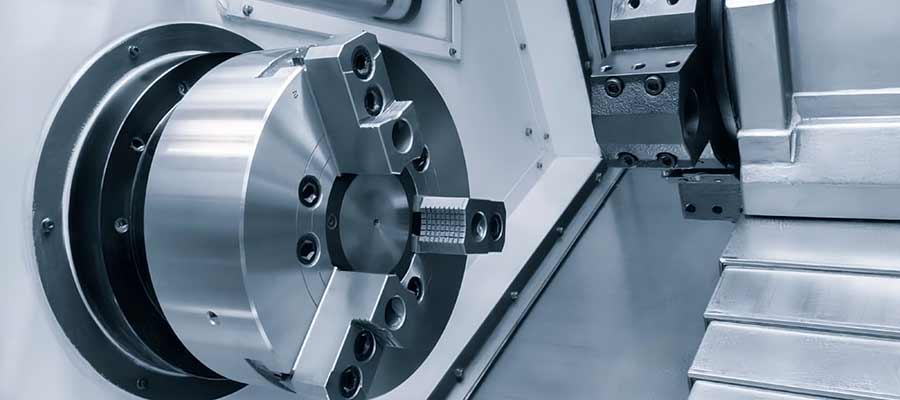
So what’s the big deal with CNC machining for metal bending? It takes the human error out of measurements. Controls pressure down to the decimal. Adjusts for how your specific material actually behaves—and does it all while the bend is happening. That’s why so many manufacturers have made the switch and aren’t looking back.
Think about how many things require bent metal. Brackets holding aircraft together. Frames giving cars their structure. Architectural panels on buildings downtown. It’s everywhere once you start noticing. But here’s the catch—actually getting a bend that’s clean and consistent is way harder than people realize. You’re off by a tiny amount on angle or radius or alignment and suddenly parts come out warped. Or they crack under stress. Or they just won’t fit with the other components during assembly. Ever had to explain that to a customer? Not fun.
That’s exactly why CNC-controlled bending has taken off across US shops. You get predictable results. Repeatable accuracy run after run. Way fewer headaches on the production floor.
Snapshot: CNC Metal Bending at a Glance
| Category | Details |
| Typical Accuracy | ±0.1° to ±0.5° depending on material, tooling, calibration |
| Common Materials | Aluminum, stainless steel, carbon steel, copper, titanium |
| Equipment Lifespan | 10–20+ years for CNC press brakes with proper maintenance |
| Cost Drivers | Material type, thickness, bend complexity, tooling, quantity |
| Best For | Prototypes, short runs, and high-volume production alike |
| USA Trend | Multi-axis CNC bending growing due to tight tolerance demands |
Why Getting the Bend Right Is Harder Than It Looks
On paper, bending metal seems pretty straightforward. Push down with enough force. Metal changes shape. Job done. Except real materials have opinions about how they want to behave, and they don’t always cooperate.
Tons of factors come into play. How thick is the material? How hard? Which direction does the grain run? Then there’s springback—that frustrating thing where metal tries to bounce back toward its original flat shape after you bend it. Tooling selection matters. So does whether your operator is having a good day or a distracted one.
Miss on any of these and your bends won’t line up with each other. Won’t hit the tolerance you promised. Won’t mate with the other parts they’re supposed to connect to. Your scrap bin fills up. Your customer starts asking uncomfortable questions. CNC systems eliminate most of this chaos by handling setup, measurement, and force control automatically. Human guesswork gets replaced by digital precision.
What CNC Actually Does to Improve Bending Accuracy
Digital Instructions Replace Guesswork
CNC bending machines run off digital instructions that come straight from CAD files. Every single motion—where the back gauge sits, what angle to hit, how deep the ram goes, how much pressure to apply—gets executed exactly as the program says. No interpretation required. No variation based on who’s running it.
What does that knock out? Manual setup mistakes. Operators doing things slightly differently each time. All that trial-and-error fiddling that burns through time and material. Validate a program once and you can run it again months later. Same results whether you’re making ten parts or ten thousand.
Real-Time Adjustments While Bending
Modern CNC press brakes have sensors and angle measurement systems watching the bend as it happens. Material acting weird? Springback more than expected? The machine catches it and compensates right there, mid-operation.
This closed-loop approach handles springback automatically. Keeps angles dead-on. Cuts scrap way down. Eliminates rework and those annoying secondary verification steps. Shops running this tech see major jumps in throughput and quality. We’re not talking small incremental gains here. Big jumps.
Multi-Axis Back Gauges for Complicated Geometry
Old-school bending setups need constant repositioning and manual alignment between bends. Every time you move the part, you’re introducing another chance to screw something up.
CNC machines with multi-axis back gauges position parts precisely for complicated bend sequences. Multiple angles. Offsets. Hemming. Radius work. Custom profiles. Less touching the part means fewer errors and faster cycle times. Hard to argue with that math.
Tooling That Thinks for Itself
CNC systems handle tooling height, angle, and force adjustments automatically. They remember setups for air bending, coining, V-bending, radius dies, whatever custom punches you need. Cuts way down on variability between tool changes. Results stay consistent no matter which operator loads the next job.
CNC Bending vs Manual Bending: Real Talk
| Feature | Manual Bending | CNC Bending |
| Accuracy | Totally depends on operator | ±0.1°–0.5° repeatability |
| Setup Time | Slow, lots of fiddling | Fast, just load the program |
| Consistency | Different every part | Identical across the run |
| Complex Parts | Painful and risky | Handled with multi-axis |
| Scrap | Higher than you’d like | Minimal |
| Best For | Simple one-offs | Anything tolerance-critical |
Manual bending isn’t dead. Still makes sense for dead-simple parts where precision doesn’t really matter. But the second tolerances come into play? CNC is the obvious choice.
Variables That Still Matter with CNC
CNC control is powerful but it doesn’t make everything automatic. Some things still need attention.
Material type and thickness matter a ton. Harder stuff like stainless and titanium needs more tonnage and springs back more aggressively. Tooling condition can’t be ignored either—beat-up punches or dies mess with angle accuracy and leave ugly surface marks. Machine size and rigidity factor in too. Beefier frames give more consistent bends, especially on longer parts.
Program quality is critical. Your CAD model needs to be clean and your bend deductions need to be right. Feed the machine bad data, get bad parts. Simple as that. And skilled operators still matter. CNC handles the execution but someone needs to make sure setups are actually correct before pressing go.
How to Get Your CNC Bending Job Done Right
Working with a bending shop? Here’s the process that gets good results.
Step 1: Send a Complete CAD File
Bend lines, radii, tolerances, material specs—all of it. Better to over-communicate upfront than discover problems halfway through.
Step 2: Let Engineering Take a Look
The shop checks bend deductions, tooling requirements, whether the part is even makeable. Way cheaper to catch issues at this stage.
Step 3: Program Gets Written
Your CAD model converts into machine instructions. Every motion planned digitally before anything gets bent.
Step 4: Tooling Setup and Test Bends
Operator picks the right punches and dies. Runs a few samples to dial in springback compensation. Gets everything dialed before committing to the full batch.
Step 5: Production Runs
CNC press brake cranks through the batch. Same bend, same angle, same results every single part.
Step 6: Final Quality Verification
Digital measurement tools or automated angle checking confirm everything’s in spec. Nothing leaves until it’s verified.
What’s Happening in US Metal Bending Right Now
Multi-axis CNC machines are popping up everywhere. Demand for tighter tolerances and faster changeovers is driving it. AI-assisted programming is showing up too—software that predicts springback before you even make the first bend. Robotic press brake tending is growing for high-volume work where operator fatigue used to be a bottleneck.
Aluminum demand keeps climbing as everyone chases lighter weight. Lead times keep shrinking as just-in-time manufacturing becomes the norm. CNC bending technology keeps getting smarter. More automation, better controls. This train isn’t slowing down.
FAQs
How accurate can CNC bending actually get?
Typical range is ±0.1° to ±0.5° on angles. Material and tooling affect where you land in that range, but that’s what most CNC press brakes deliver.
What metals work with CNC bending?
Aluminum. Mild steel. Stainless. Copper. Brass. Titanium. If it bends without breaking, CNC can probably handle it.
Does CNC actually fix springback issues?
Manages them way better than manual. CNC adjusts pressure on the fly and compensates automatically. Huge improvement over eyeballing it.
Worth it for small quantities?
Definitely. Fast setups and stored programs make short runs totally practical. Not just for mass production.
What makes CNC bending expensive or cheap?
Material choice. How thick it is. Bend radius requirements. Number of bends per part. Overall complexity. Order quantity. All these affect price.
How long will a CNC press brake last?
10 to 20+ years if you maintain it properly. These are serious industrial machines. Built to take punishment.
Why Styner Machine Tools
Styner Machine Tools does precision CNC machining and bending for customers across the US. Modern equipment. Experienced operators who actually know what they’re doing. Decades of fabrication know-how behind every job.
Prototypes or production runs—we handle both. Tight tolerances, consistent results, quick turnaround. That’s the Styner approach.