CNC plasma cutting gives manufacturers a fast, precise, and cost-effective way to cut metal. Clean edges. Repeatable accuracy. Hard to argue with the results.
Snapshot: What to Know About CNC Plasma Cutting
| Category | Details |
| Materials | Mild steel, stainless steel, aluminum, copper, brass |
| Thickness Range | 26-gauge sheet up to ~1.5″ plate (machine-dependent) |
| Accuracy | ±0.010″–0.020″ typical tolerance |
| Average Cutting Cost | $1–$3 per minute (varies by complexity, thickness, setup) |
| Best Use Cases | Brackets, plates, structural parts, custom profiles, repeat production |
| USA Trend | Growing demand from reshoring, automation, rapid-turn fabrication needs |
Why CNC Plasma Cutting Matters Today
Metal fabrication keeps moving toward automation. Tighter tolerances. Faster turnarounds. CNC plasma cutting brings all three together.
Plasma power combined with computer-controlled precision. Detailed parts produced quickly. Minimal waste. Lower cost than many traditional cutting methods. That’s the value proposition in a nutshell.
Enhanced Precision and Consistent Cut Quality
CNC plasma systems use computer-driven instructions to control everything. Torch path. Speed. Height. Timing. Removes nearly all manual variation. Huge deal.
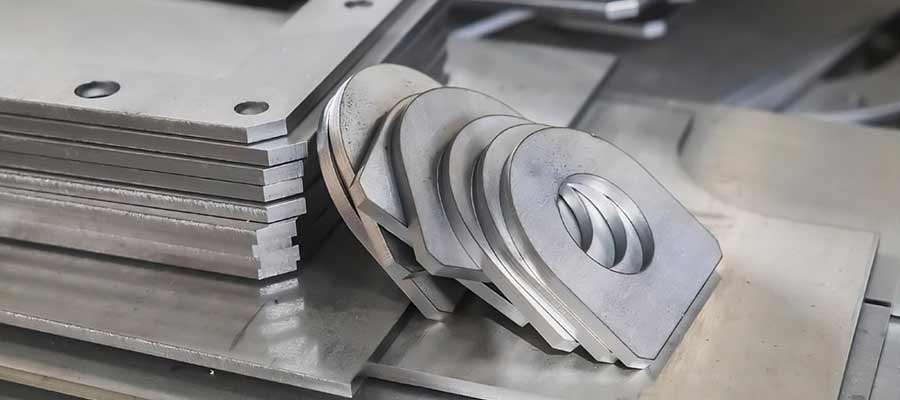
Repeatable accuracy. System follows the same programmed path every single time. Tight tolerances on brackets, flanges, plates, machined components. Cleaner edges too. Modern tables use arc voltage height control and optimized lead-ins to reduce dross. Most parts come off the table ready for forming, welding, or final machining. Minimal rework.
For manufacturers building assemblies, repeatability matters as much as precision. CNC ensures every part fits the same way every time. No surprises during assembly.
High Cutting Speed and Greater Production Efficiency
One of plasma’s biggest advantages is raw speed. CNC takes that speed and applies perfect control.
Automated tables cut significantly faster than manual tools. Complex profiles that would take hours with manual equipment? Done in minutes. Machines run continuously with minimal operator oversight. Programs saved and reused for recurring orders or long production runs.
Need short turnaround times? High part volumes? CNC plasma cutting maintains output without adding more labor. Simple as that.
Lower Operational Costs and Higher Material Yield
CNC automation streamlines labor. Reduces scrap. Minimizes post-processing. All the things that eat into margins.
Lower labor requirements. Operators load material, load the program, supervise the cut. No constant manual handling. Optimized material nesting too. CAD/CAM software arranges parts tightly on each sheet. Less waste. Clean edges mean fewer secondary operations. Less grinding. Less cleanup.
These gains compound over time. Especially in shops running daily or weekly production cycles. Math adds up fast.
Versatility for Different Parts and Metals
CNC plasma cutting isn’t limited to one metal type or one part style. One of the most adaptable cutting technologies for general fabrication.
Cuts mild steel. Stainless steel. Aluminum. Copper. Brass. Produces everything from simple base plates to decorative artwork to structural components. Changing materials or designs is fast. Load a new sheet. Load a new program. Done.
How CNC Plasma Compares to Other Cutting Methods
Every cutting process has strengths. Here’s how plasma stacks up.
CNC Plasma vs Laser Cutting
Plasma is faster on thicker plate. More cost-effective overall. Laser offers higher precision on thin stainless and aluminum. Plasma machines generally cost less to operate. Different tools for different jobs.
CNC Plasma vs Waterjet Cutting
Plasma is faster with lower cost per cut. Waterjet is ideal for materials that can’t tolerate heat. Plastics. Hardened metals. Waterjet has slower speeds but extremely clean edges. Pick based on the application.
CNC Plasma vs Manual Cutting
CNC offers unmatched accuracy, repeatability, and speed. Manual cutting is only ideal for rough work or one-off cuts. Not even close for production work.
Key Factors That Influence Results and Pricing
Several variables affect performance and cost. Material type and thickness—thicker plate takes more time and power. Part complexity—intricate shapes, holes, tight radiuses all increase cutting time. Tolerances required—stricter specs may need secondary machining. Consumables and torch setup—proper air supply, electrodes, nozzles improve edge quality. Nesting optimization—better nesting reduces both price and waste.
Understanding these factors helps with accurate budgeting. Pick the right process for each project.
Step-by-Step CNC Plasma Cutting Workflow
Here’s how a typical job goes from concept to finished part.
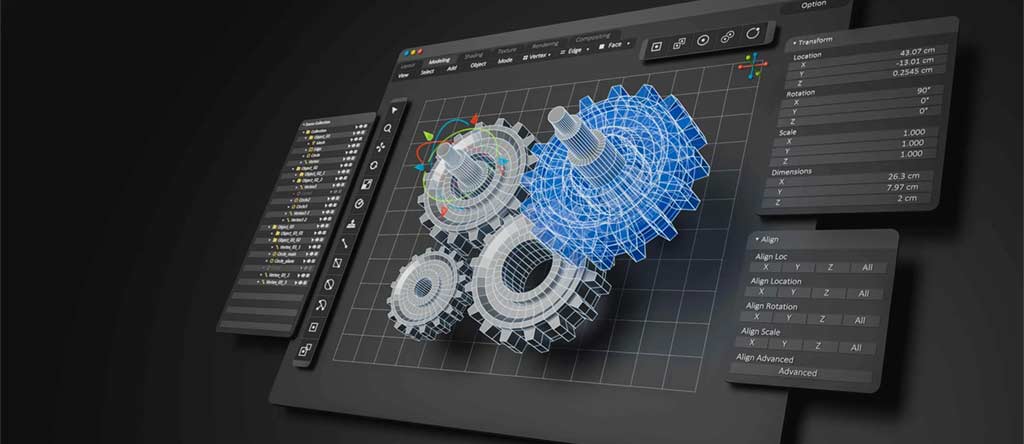
Step 1: CAD Drawing
Create or import the part design. Everything starts digital.
Step 2: CAM Programming
Define cut paths. Material type. Kerf width. Lead-ins and lead-outs. All figured out beforehand.
Step 3: Material Setup
Load the sheet. Secure alignment. Ready to cut.
Step 4: Torch Calibration
Set correct height. Amperage. Speed. Dialed in for the specific material and thickness.
Step 5: Automated Cutting
CNC table follows the programmed toolpath. Hands off.
Step 6: Edge Cleanup
Minor grinding if necessary. Often minimal with good parameters.
Step 7: Final QA Check
Confirm tolerances. Dimensions. Finish. Nothing ships without verification.
This workflow reduces errors and keeps output consistent across every project.
Current Trends and Outlook in the USA
CNC plasma cutting keeps growing in popularity across the US. Several reasons driving it.
Reshoring boosting domestic manufacturing. Labor shortages driving automation adoption. New high-definition plasma systems rivaling older laser machines in accuracy. CAD/CAM integration becoming standard even for small fab shops.
These trends make CNC plasma one of the most cost-efficient ways to scale production without sacrificing quality. Not theory. Happening right now.
FAQs
What thickness can a CNC plasma cutter handle?
Most systems cut thin sheet up to about 1.5 inches depending on machine power. Covers a huge range of applications.
Is CNC plasma cutting expensive?
Generally more cost-effective than laser or waterjet. Especially on thicker steel. Lower operating costs overall.
Does plasma cutting warp metal?
Plasma generates heat, but proper speed and height control minimize warping. Good parameters matter.
Can CNC plasma cut aluminum?
Yes. With the right settings, plasma cuts aluminum quickly and cleanly. No problem.
What industries use CNC plasma cutting?
Automotive. Construction. Energy. Agriculture. Marine. General fabrication. Basically anywhere metal gets cut.
How does plasma compare to laser for precision?
Laser is more precise on thin materials. Plasma holds its own on thicker stock and costs less to run. Choose based on the job.
Why Styner Machine Tools
Styner Machine Tools provides CNC machining, plasma cutting, prototyping, and full metal fabrication support for manufacturers across the USA. Concept to production. High accuracy. Fast turnaround. Dependable results.
Our team helps customers get parts done right the first time. That’s what Styner delivers.