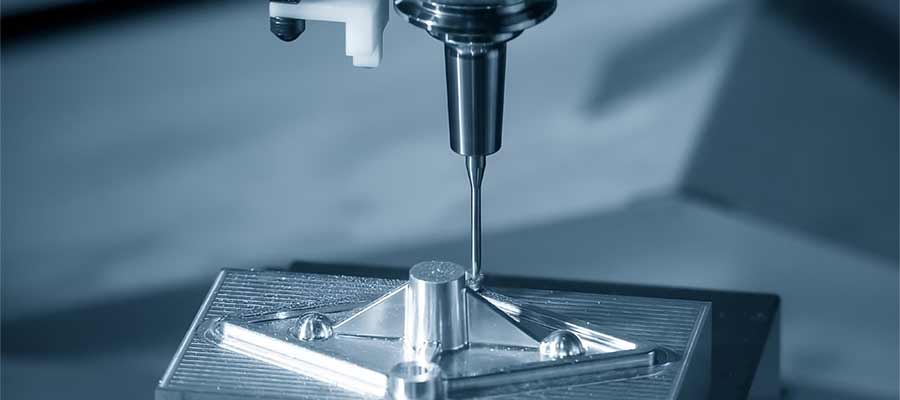
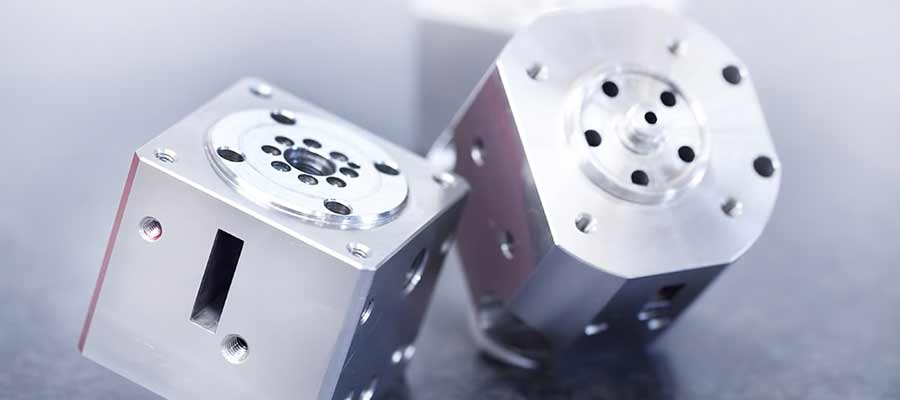
Walked through a fabrication shop in Toledo last spring. Owner named Pete—guy’s been running metal work for maybe 25 years, seen the industry change a lot. He pointed at a laser cutter running in the corner. Nobody standing at it. Just cutting parts, stacking them, moving to the next sheet automatically.
“That machine replaced three people and a plasma table,” he said. “Not because I wanted to cut jobs. Because I couldn’t find people who’d show up reliably. Now I run lights-out on second shift and still hit delivery dates I couldn’t make before.”
That’s the story I keep hearing everywhere I go. Shops struggling with labor shortages, tightening lead times, quality consistency problems across shifts—and laser cutting solving issues they’d been fighting for years. Not magic. Not a miracle cure for everything wrong in manufacturing. Just a better tool for the work most fab shops actually do day in and day out.
CNC laser cutting speeds up production dramatically. Reduces material waste to levels mechanical cutting can’t match. Delivers repeatable precision without needing a skilled operator babysitting every single cut. Here’s how it actually works in practice and why shops across the country are switching over as fast as they can justify the investment.
Quick Reference: CNC Laser Cutting
| Category | Details |
| Machine Lifespan | 8–15+ years with regular maintenance |
| Cutting Range | Thin sheet metal up to ~1″ plate depending on laser wattage |
| Common Materials | Steel, stainless, aluminum, copper alloys, plastics, composites |
| Precision | ±0.003″–0.005″ typical on most setups |
| Best For | High-volume production, prototyping, complex shapes, tight tolerances |
Why Laser Cutting Changes the Math
The efficiency gains aren’t subtle. They show up everywhere once you start tracking them—cycle time, labor cost, material waste, rework hours, delivery performance. Here’s where the differences actually matter.
Speed Without the Delays
CNC laser machines run off digital files. Load a program, hit start, watch it cut. No special tooling to set up. No manual repositioning between parts. No waiting for a die to get built or a fixture to arrive from the toolroom.
A shop manager in Indiana—woman named Rachel who runs a metal fab operation with about 40 employees—told me her laser handles jobs that used to take a full shift in maybe two hours. Same quality. Actually better quality. Less labor touching the parts. Faster delivery to customers who’ve gotten used to expecting everything yesterday.
The consistency matters too. Part one looks like part one thousand. No drift as the operator gets tired. No quality variation between Monday morning and Friday afternoon. That predictability is worth real money when you’re quoting jobs and promising delivery dates you actually have to hit.
Precision That Eliminates Rework
Focused laser beam. Tight tolerances. Parts that fit assemblies without grinding, filing, or “making it work” with a hammer on the shop floor. That’s the pitch anyway. And unlike a lot of marketing claims, this one is actually true most of the time in practice.
±0.003″ to ±0.005″ is typical on industrial machines. Fractions of a millimeter. Parts come off fitting the way the CAD file said they would. A quality manager at a Midwest automotive supplier told me his incoming inspection rejection rate dropped by half after his main vendor switched to laser from plasma. His exact words: “Parts just fit now. We stopped arguing about tolerances and started talking about next projects instead.”
Material efficiency is the other big piece of the puzzle. Laser kerf is narrow—way narrower than plasma or mechanical cutting. Nesting software packs parts tighter because you’re not wasting as much material between cuts. Less scrap in the bin. Better utilization from every sheet. Lower material spend per job, which matters a lot when steel prices bounce around the way they have lately.
Flexibility That Actually Matters
No dies. No tooling. No setup charges that make small batches uneconomical. Switching jobs means loading a different file into the controller. That’s it. Maybe five minutes between completely different parts.
Want to run five different parts in one shift? Fine. Need a one-off prototype by tomorrow morning? Load the file, cut it, ship it. High-volume production run of ten thousand pieces? Let the machine run overnight with nobody watching. The flexibility covers every scenario a typical fab shop encounters.
This adaptability is why laser cutting works so well for shops that do mixed work—some prototypes, some production runs, some custom one-offs for customers who need something weird. The machine genuinely doesn’t care what you’re making. It just runs whatever program you give it, as accurately the hundredth time as the first.
Laser vs. Everything Else
People always ask how laser compares to other cutting methods. Fair question. Short answer: depends entirely on what you’re cutting and how much precision you actually need.
Laser vs. Plasma
Plasma handles thick steel well. Equipment costs less upfront, which matters for shops watching capital expenses. But edges come out rougher—you’re looking at more grinding, more post-processing, more labor touching every part. Tolerances aren’t as tight either, which causes problems downstream in assembly. For anything under maybe 3/4″ where precision and edge quality matter, laser wins clearly. For thick structural steel where nobody cares what the cut edge looks like because it’s getting welded anyway, plasma might save you money.
Laser vs. Waterjet
Waterjet cuts anything—stone, glass, thick metals, composites, exotic alloys, you name it. No heat-affected zone to worry about, which matters for certain materials. Great for very thick material or heat-sensitive applications where laser would cause problems. But it’s slow compared to laser on sheet metal. And expensive to operate because consumables add up fast—garnet media isn’t cheap and you go through a lot of it. For sheet metal at production volumes, laser is almost always faster and cheaper per part by a significant margin.
Laser vs. Mechanical Cutting
Shears, punches, saws—they all work for certain applications. Proven technology. But tooling wears out and needs replacing regularly. Blades get dull and affect cut quality before anyone notices. Setup takes time between jobs. Edges often need cleanup before parts can move downstream. Operators make judgment calls that affect quality from part to part. Laser eliminates most of those variables entirely. No contact with the material means no wear on cutting tools—ever. Edges come off clean and consistent. Mistakes are programming errors that get fixed once, not operator judgment calls that vary shift to shift and person to person.
For most sheet metal work in the real world, laser offers the best combination of speed, precision, and total cost. Not always the cheapest equipment to buy upfront. But often the lowest total cost when you factor in labor, scrap, rework, and downstream operations. The math usually works out in laser’s favor for anything requiring precision or clean edges.
What Affects Price and Turnaround
Few things determine what a laser cutting job actually costs. Understanding them helps when you’re comparing quotes or evaluating whether to bring the capability in-house:
- Material and thickness – Thicker metal cuts slower. Period. Stainless and aluminum behave differently than mild steel and may need different power settings or assist gases. All of it affects cycle time and therefore cost per part.
- Laser power – Higher wattage machines cut faster through thick stuff and can handle materials lower-power machines can’t. But they cost more per hour to run. You’re paying for capability whether you need it or not.
- Part complexity – Intricate shapes with lots of direction changes and tight radii take longer to cut than simple geometry. Rectangles are fast. Organic curves with pierces everywhere slow things down significantly.
- Nesting efficiency – How tight parts pack on a sheet determines material waste. Good nesting software and experienced programmers make a real difference in scrap rates. This affects material cost directly.
- Volume – Setup costs spread across more parts at higher volumes. Hundred pieces costs less per piece than ten. Thousand pieces costs less still. Economics of scale work the same here as anywhere else.
- Secondary operations – Cleaner the cut, less finishing needed afterward. Laser typically means minimal deburring compared to plasma. That saves labor downstream and reduces total part cost.
Understanding these factors helps when you’re comparing quotes or deciding whether to invest in your own equipment versus outsourcing the work.
How to Approach Laser Cutting (Whether Outsourcing or Buying)
If you’re exploring laser cutting for your operation—either outsourcing or investing in equipment—here’s a basic framework that works:
- Define requirements clearly – What materials do you actually need to cut? What thicknesses? What tolerances genuinely matter versus what’s just on the drawing because someone typed it in years ago and nobody ever questioned it?
- Get your files clean – DXF, DWG, whatever format the shop or machine wants. Accurate CAD means good nesting and fewer programming surprises. Garbage files make garbage parts. Every time.
- Match capability to need – Laser wattage, bed size, cutting speed, automation level. If outsourcing, evaluate shop capability and typical turnaround on jobs similar to yours. Ask for references. Visit if you can.
- Optimize nesting upfront – Whether you’re doing it or the shop is, tight nesting reduces scrap and total cost. Worth spending time on for production volumes even if prototypes don’t need it.
- Plan downstream flow – Where do parts go after cutting? Forming? Welding? Machining? Final assembly? Minimize handling and staging time between operations. Layout matters.
- Set up QC appropriately – Laser parts usually need minimal inspection compared to other methods. But establish a process for critical dimensions on important jobs. Catch problems before they become expensive.
What’s Driving Laser Cutting Growth
Few patterns showing up consistently in conversations with shops and their customers across different industries:
- Automation solving labor problems – Hard to find reliable operators who show up every day. Laser cutting runs with minimal supervision once it’s set up. Lights-out production is becoming normal, not exceptional.
- Custom metal parts demand growing – EV components. Aerospace brackets. Robotics housings. Medical device enclosures. All need precision metal work in smaller batches than traditional high-volume automotive used to require.
- Prototyping speed expectations – Customers want samples in days not weeks. No tooling setup means genuinely fast turnaround on new designs. That speed becomes a competitive advantage for shops that can deliver.
- Reshoring trend continuing – Supply chain problems during recent years pushed manufacturing back to the US. Shops need efficient cutting technology to compete with domestic labor costs. Automation helps close that gap.
- Sustainability requirements – Lower scrap rates, more energy-efficient machines. Some customers actually care about material waste now and ask about it during vendor qualification.
Laser cutting fits where manufacturing is heading—automation, flexibility, precision, speed, lower waste. The shops investing in this capability are winning work right now. The ones still running outdated equipment or relying on manual processes are losing bids to competitors who’ve already made the switch.
FAQs
1. What materials can laser cutting handle?
Steel, stainless, aluminum, brass, copper, various plastics, composites. Depends on machine power and configuration. Most common metals work fine on standard industrial equipment.
2. How accurate is it?
±0.003″ to ±0.005″ on industrial machines. Sometimes tighter depending on material and setup details. Accurate enough for most precision applications where parts need to fit assemblies without rework.
3. Cost-effective for small batches?
Yes. Genuinely yes. No tooling setup means even one-off prototypes are quick and affordable. One of the biggest advantages over stamping or die cutting where small batches are cost-prohibitive.
4. Do parts need finishing after laser cutting?
Usually minimal compared to other methods. Edges come off clean, smooth, burr-free on most materials and thicknesses. Some applications might want light deburring. Nothing like the grinding and cleanup plasma-cut parts typically need.
5. Can laser cutting handle high-volume production?
Absolutely. CNC automation means continuous cutting with repeatable accuracy across thousands of parts. Lights-out operation handles overnight runs and weekend production without supervision.
6. Laser or plasma for thick steel?
Plasma handles very thick material cheaper per hour of machine time—that’s undeniable. But edge quality suffers significantly, and you’re paying for grinding labor afterward. If precision matters or parts need to fit assemblies without rework on every edge, laser is usually worth the extra machine cost even on thicker stock up to the equipment’s capability limit. Total cost often favors laser when you account for all the downstream labor plasma parts require.
Why Styner Machine Tools
Styner Machine Tools provides CNC machining, metal fabrication, and precision laser cutting for manufacturers across the US. Prototypes to production runs. Quick turnaround without sacrificing quality. Consistent results job after job.
We understand the efficiency gains laser cutting delivers because we use it every day on real customer work. Fast setups that get jobs running quickly. Tight tolerances that match what the CAD file specifies. Parts that fit assemblies without grinding or rework. That’s the standard we hold ourselves to, not the exception when things happen to go right.
Need sheet metal parts cut right and delivered on time? That’s what we do. Every single day for customers across multiple industries.
American manufacturing. Real capability. Results you can count on.
Contact Styner Machine Tools at CNCFAB.SHOP to discuss your project.