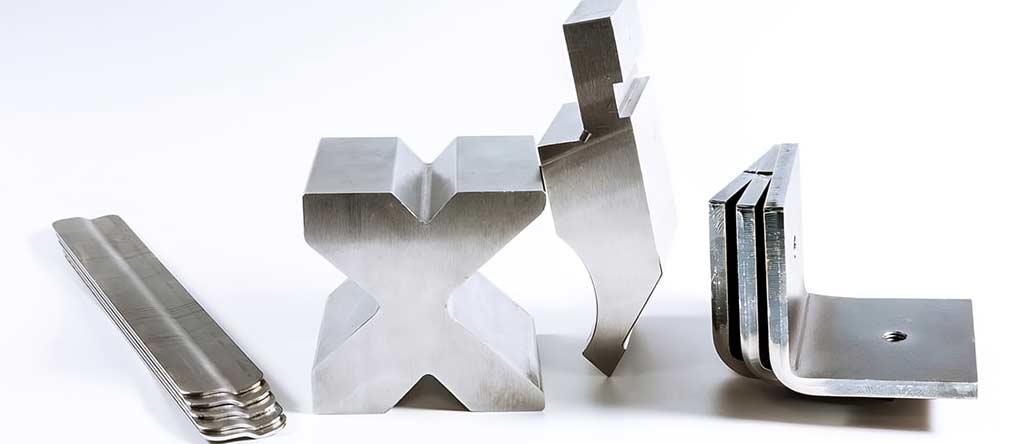
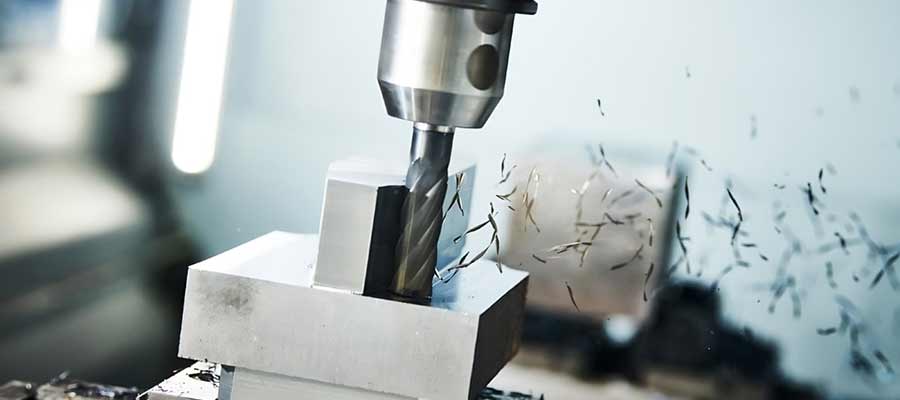
CNC machining changes everything about manufacturing efficiency. Automation. Precision. Scalability. It handles all three. And it does it while cutting waste and keeping costs in check. That’s not marketing fluff. That’s just how it works.
Snapshot: CNC Machining at a Glance
| Feature | Detail |
| How Long They Last | 10–20 years if you keep up with maintenance. Skip it and that number drops fast. |
| What You’ll Spend | Anywhere from $50K to $500K. Depends on how fancy you need to get. |
| How Tight the Tolerances | Down to ±0.001 inches. Crazy precise. |
| Speed | Runs 24/7 if you want. Doesn’t need coffee breaks. |
| Local Take (USA) | Big deal for prototyping and small batches. Shops near Styner Machine Tools get it. |
Automation and Productivity: Where the Real Gains Show Up
CNC. Computer Numerical Control. Fancy term. But strip away the jargon and here’s what you’re left with: a machine that runs off programmed instructions. No babysitting required. You tell it what to do once, and it just… does it.
Over and over. Same result every time.
Old-school machining? Totally different animal. Somebody stands there. Measures. Tweaks. Checks again. CNC flips that whole thing on its head. Load the program. Walk away. Machine handles the rest.
So what’s the payoff?
Setup time tanks. Programs are already loaded, so jumping between operations doesn’t mean stopping to fiddle with settings. Production moves faster because milling, turning, drilling—all of it happens quicker than any guy with a manual machine could pull off. Human oversight? Bare minimum. Operators watch the screen. Maybe step in when something looks off. Rest of the time? They’re doing work that actually needs a brain.
Less labor. Lower costs. Math checks out.
And here’s the kicker. Good machinists are hard to find these days. Everybody knows it. CNC sidesteps that whole problem. Programming skills matter more than hand skills. Plus the machines run around the clock if you need them to. Lights out? Doesn’t matter. Production keeps moving.
Precision and Consistency: Quality You Can Rely On
Speed’s great. But if the parts are garbage, who cares?
CNC machining nails both. Every part comes out matching design specs. Minimal variation. That’s the whole point.
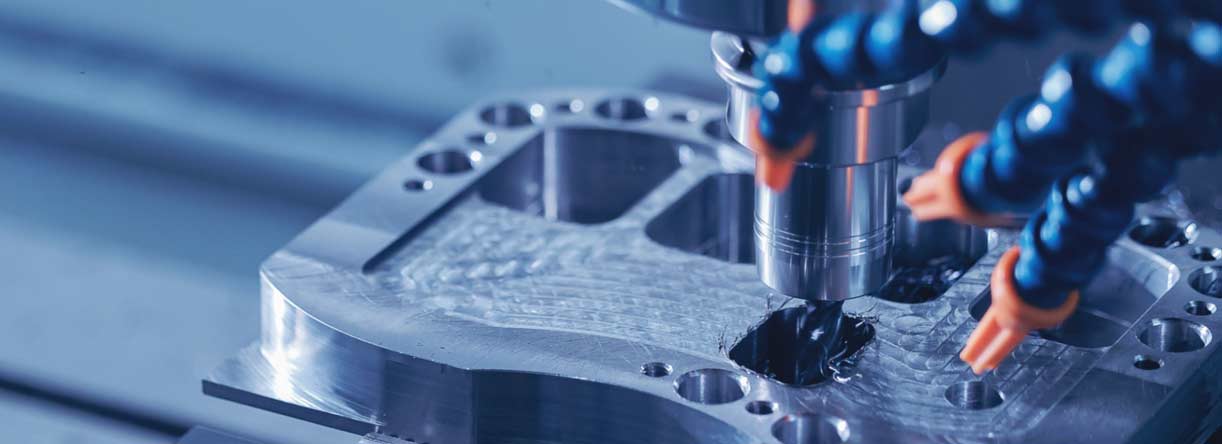
Consistent accuracy means parts hit exact dimensions across entire production runs. Hundreds of units. Thousands. Doesn’t matter. Material waste drops because optimized cutting paths minimize scrap. You’re not throwing money in the trash. And advanced CNC machines often include integrated sensors, laser scanning, or coordinate measuring systems to catch defects in real-time.
Fewer rejects. Less downtime. Smoother operations.
Think aerospace. Tolerances measured in thousandths of an inch. Turbine blades. Fuselage brackets. Components where “close enough” doesn’t cut it. CNC makes that level of precision possible. Manual machining? Good luck.
Cost Reduction and Scalability
CNC isn’t just about speed and precision. It’s about working smarter. Saving money.
Labor costs drop when automation handles repetitive or complex tasks. Fewer operators needed. Period. Continuous production means machines run day and night. Output increases without adding headcount. And flexible scaling? Whether you need one prototype or ten thousand units, CNC adapts. Quality stays the same.
Traditional machining creates waste. Slower production. Higher labor costs. CNC’s optimized cutting paths minimize scrap. Downtime shrinks. Manufacturers adjust to new designs or specs quickly.
Worth considering: quick reprogramming means a shop can produce medical device components in the morning and automotive parts in the afternoon. No long setup times. Different story from conventional machining.
Comparing CNC Machining to Traditional Methods
| Feature | Traditional Machining | CNC Machining |
| Accuracy | Operator-dependent, variable | ±0.001 inches, program-controlled |
| Speed | Moderate, frequent pauses | High-speed, continuous |
| Labor Requirement | Skilled operators needed | Minimal oversight, programming-based |
| Material Waste | Higher scrap | Reduced via optimized cutting |
| Flexibility | Manual adjustments required | Quick reprogramming for changes |
This table tells the whole story. CNC is the gold standard for manufacturers who need efficiency, reliability, and repeatable quality. No way around it.
Step-by-Step Framework for Maximizing CNC Efficiency
Want to get the most out of CNC? Follow this:
Step 1: Define Production Requirements. Identify your materials, tolerances, and batch sizes upfront. Know what you’re making before you start making it.
Step 2: Select the Right Machine. Match axis capabilities, spindle speed, and precision to what you actually need. Overkill costs money. Underkill costs more.
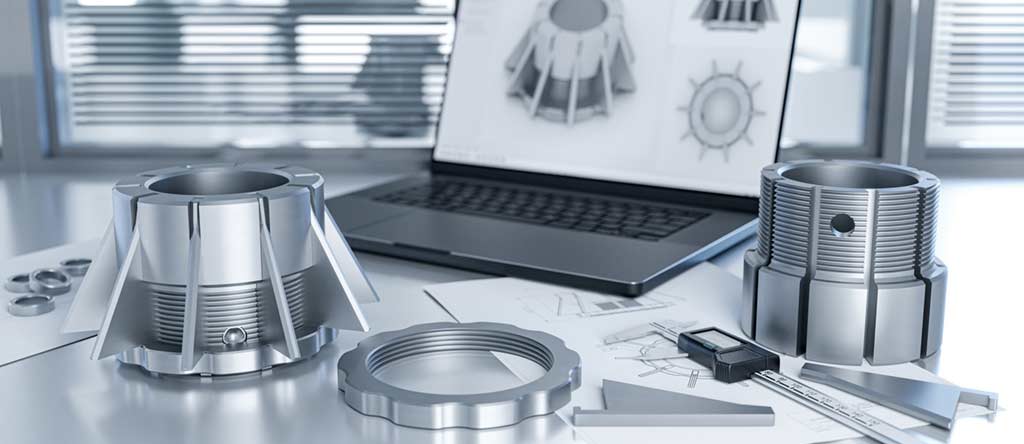
Step 3: Program Accurately. Use CAD/CAM software to translate design specs into machine instructions. Garbage in, garbage out. Get this right.
Step 4: Monitor Operations. Leverage sensors and automated inspection tools. Catch problems before they become expensive.
Step 5: Maintain Machines Regularly. Routine servicing preserves accuracy and extends machine lifespan. Skip this and you’ll pay for it later.
Step 6: Track Performance Metrics. Collect data on production times, material usage, and quality. Then actually use that data to improve.
Follow the framework. Keep CNC operations reliable and cost-effective.
Current Trends and USA Outlook
The industry’s moving fast. Here’s what’s happening:
Smart Manufacturing is real. IoT integration allows predictive maintenance and real-time monitoring. Machines tell you when something’s wrong before it fails.
Rapid Prototyping keeps growing. Small-batch, high-precision production is everywhere now. Especially near industrial hubs.
Sustainability matters more. CNC machines optimize material use, reduce energy consumption, and minimize scrap. Eco-friendly manufacturing isn’t just a buzzword anymore.
Customization demand is up. Manufacturers need flexible CNC solutions for short production runs. Specialized components. Unique specifications.
For U.S. manufacturers near Styner Machine Tools, these trends mean faster delivery, higher-quality parts, and more efficient operations. CNC technology isn’t a luxury anymore. It’s competitive necessity.
Expanded Industry Applications
CNC machining spans just about every industry that makes things:
Aerospace relies on it for precision turbine blades, brackets, and structural components. Tolerances are brutal. CNC handles them.
Automotive uses it for engine parts, custom body panels, and drivetrain components. Volume and precision together.
Medical Devices need it for surgical tools, implants, and diagnostic equipment. Lives depend on getting it right.
Industrial Manufacturing counts on CNC for gears, molds, and heavy machinery components. The backbone stuff.
CNC’s versatility handles complex geometries and high-volume production alike. That’s why it’s the go-to solution across sectors.
FAQs
How precise are CNC machines?
CNC machines maintain tolerances as tight as ±0.001 inches. Every part comes out dimensionally accurate. That’s the standard.
Can CNC machines operate 24/7?
Yes. With proper maintenance, CNC machines run continuously with minimal supervision. Around the clock. No breaks needed.
Are CNC machines cost-effective?
Absolutely. They reduce labor costs, minimize waste, and improve production speed. That translates directly into savings. Simple math.
Which industries benefit most from CNC machining?
Aerospace, automotive, medical device, and industrial manufacturing rely heavily on CNC technology. Pretty much anyone making precision parts.
Can CNC handle complex designs?
Multi-axis CNC machines produce intricate geometries that would be nearly impossible to create manually. Complex shapes? No problem.
What kind of maintenance do CNC machines need?
Routine servicing. Lubrication. Calibration checks. Keep up with it and machines last 10–20 years. Skip it and expect trouble.
Why Styner Machine Tools
At Styner Machine Tools, decades of experience meet cutting-edge CNC technology. Precision. Speed. Efficiency. We deliver all three to manufacturers across the USA.
Single prototype? We’ve got you. Scaling to thousands of units? Same deal. Consistent quality and reliability on every job.
Our experienced team knows CNC inside and out. Quality standards are non-negotiable. And we understand that your timeline matters as much as the specs.
Ready to boost your manufacturing efficiency? Styner Machine Tools is your partner.