Here’s something people don’t always think about.
Energy production—whether we’re talking oil and gas, wind farms, solar installations, or hydroelectric plants—depends entirely on equipment that works. Every time. Under brutal conditions.
And that equipment? It’s made of precision components.
Turbine blades. Pump housings. Gearboxes. Valve bodies. Structural mounts. Parts that have to hit exact specifications or the whole system suffers.
Think about it for a second.
A wind turbine nacelle sits 300 feet in the air. The gearbox inside converts slow blade rotation into high-speed generator rotation. Every gear, every bearing, every housing has to be right. A tiny misalignment can cost thousands in downtime. Worse, it can destroy expensive equipment.
Same story with pumps. A housing that’s off by a few thousandths? Leaks. Vibration. Premature wear. Failures. Shutdowns.
That’s why CNC machining has become so critical for energy. It produces components that are precise, durable, and consistent—exactly what this industry demands.
Let me break down how it works.
Snapshot
| Factor | What Energy Applications Require |
| Component lifespan | 10–30 years. Depends on material and operating conditions. |
| Cost per part | $50–$5,000+. Complexity and material drive the number. |
| Common materials | Stainless steel, titanium, aluminum, brass, composites |
| Typical applications | Turbines, pumps, gearboxes, valves, frames, housings |
| Why CNC matters | Precision, repeatability, handles tough materials |
Why Precision Matters So Much
Let me put this bluntly.
In energy production, “close enough” doesn’t cut it. One misaligned component can throw an entire system off. Vibration issues. Efficiency losses. Premature wear. Catastrophic failures in the worst cases.
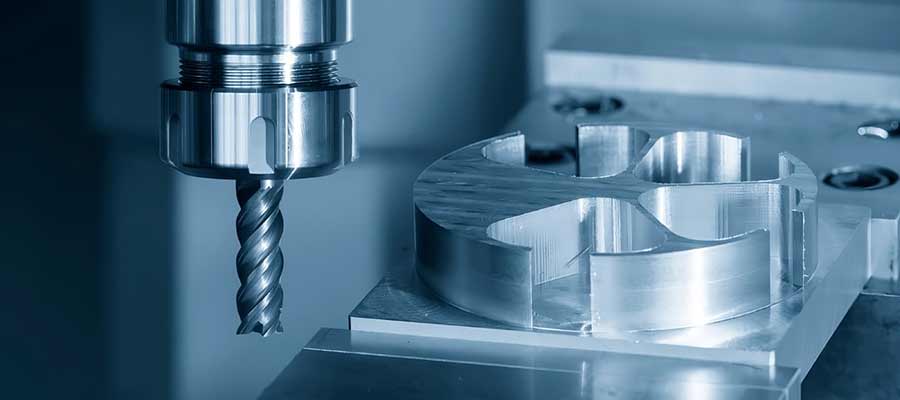
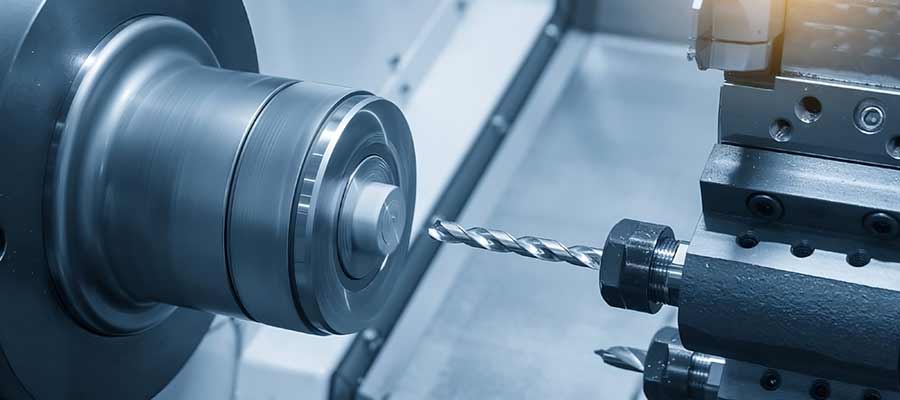
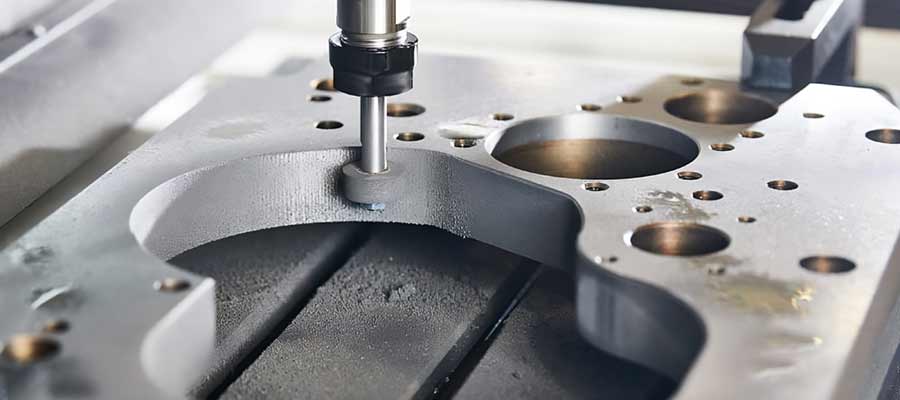
CNC machining solves this by following digital instructions down to fractions of a millimeter. The machine does exactly what the program tells it. Every cut. Every hole. Every surface.
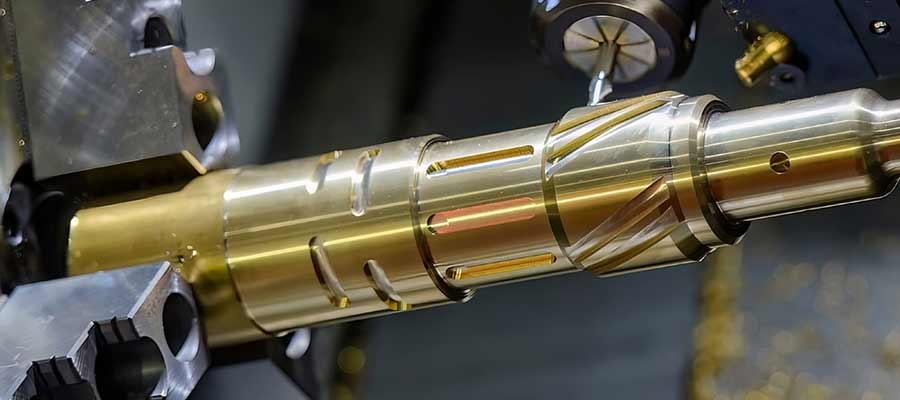
Valves, gears, structural supports, housings—whatever the component, CNC ensures it fits perfectly. Works correctly. Lasts as long as it should.
And here’s the other thing.
Once you program the machine, it produces the same high-quality part every single time. Part number one matches part number one thousand. That repeatability is critical when you’re building systems that have to work together for decades.
Durability for Harsh Environments
Energy equipment takes a beating.
Heat. Pressure. Corrosion. Mechanical stress. Vibration. Weather exposure. Sand. Salt. Chemicals. These systems operate in conditions that would destroy ordinary components in months.
Think about an offshore oil platform. Salt spray constantly. Equipment vibrating around the clock. Temperatures swinging from cold nights to blazing sun. Parts need to survive all of that for years.
Or think about a wind turbine in the plains. Temperature extremes. Constant vibration. Loads that vary with every gust. Twenty-year service life expected.
CNC machines handle the materials needed for these environments.
Stainless steel and titanium for strength and corrosion resistance. Aluminum and composites when weight matters. Specialized alloys for extreme temperatures and pressures. Exotic materials for the most demanding applications.
The result? Parts that last longer. Require fewer repairs. Keep systems running instead of sitting idle waiting for replacements.
That’s not just convenience. That’s real money saved over the life of the equipment.
Faster Production, Less Waste
CNC machining doesn’t just make better parts. It makes the whole manufacturing process more efficient.
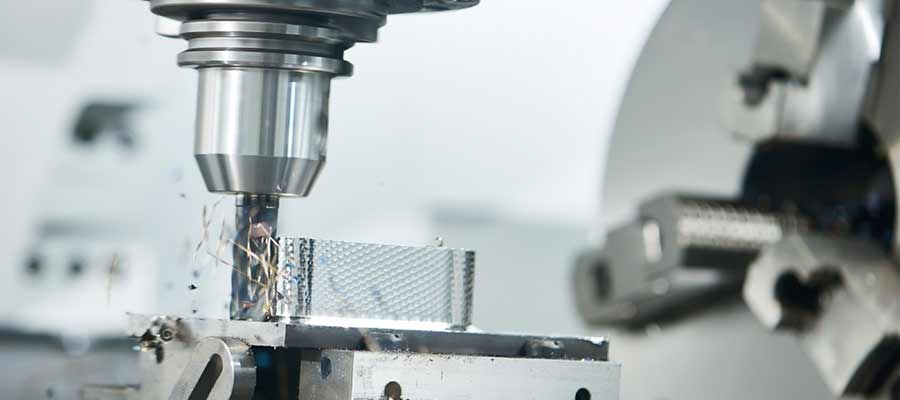
Once a machine is programmed, it runs. Churns out identical components quickly and consistently. Less labor required. Less material wasted. Faster delivery.
For energy companies, that matters.
If a wind turbine needs a replacement gearbox component, you want it fast. Every day that turbine sits idle is money lost. CNC parts can be produced and shipped quickly, minimizing downtime.
Same story for maintenance. Need a replacement valve? A new pump housing? CNC delivers faster than traditional methods. Keeps operations running.
Prototyping for a Changing Industry
The energy sector evolves fast.
Wind turbines get bigger. Solar panels get more efficient. Hydroelectric systems get more powerful. New designs constantly emerge.
CNC machining helps keep pace through rapid prototyping.
Design a part today. Machine a prototype tomorrow. Test it. Tweak the design. Machine another version. Iterate quickly until you’ve got something that works.
You don’t have to wait months to see if a new turbine blade or pump design performs as expected. Test it in days. Find problems early. Fix them before committing to production tooling.
That speed matters for innovation. Reduces trial-and-error costs. Helps manufacturers deliver better solutions faster.
CNC Applications Across Energy Sectors
Different energy sources, similar requirements. CNC serves them all.
Wind Power
Turbine hubs. Blade components. Gearbox housings. Pitch control mechanisms. All precision-machined to handle massive rotational forces and decades of operation.
Solar
Panel frames. Mounting hardware. Tracking system components. Connectors and brackets. Precision ensures proper alignment for maximum energy capture.
Hydroelectric
Turbine rotors. Generator housings. Control valve components. Structural mounts. Parts that handle constant water pressure and mechanical stress.
Oil and Gas
Pump housings. Valve bodies. Drilling components. Pipeline fittings. Parts built for extreme pressure and corrosive environments.
What Drives Cost and Performance
Not all CNC jobs are the same. Several factors influence results and pricing.
Material choice matters. Stronger alloys cost more but last longer. Choose based on actual requirements, not assumptions.
Part complexity matters. Intricate designs take longer to machine. More features mean more programming and more machine time.
Volume matters. Small batches cost more per part. Larger runs spread setup costs across more pieces.
Tolerances matter. Tighter specs require slower machining, better tooling, more inspection. Only specify tight tolerances where they’re actually needed.
Understanding these factors helps energy companies plan better. Make smarter decisions. Get better value.
The CNC Workflow for Energy Projects
Here’s how it typically works.
Step 1: Design and CAD modeling. Build a precise digital blueprint of the component.
Step 2: Material selection. Pick the right alloy or composite for the application and environment.
Step 3: CNC programming. Translate the design into machine instructions.
Step 4: Machining and inspection. Cut, shape, and verify tolerances.
Step 5: Testing and installation. Confirm the part works in real-world conditions.
Step 6: Maintenance and upgrades. Replicate or improve components when needed down the road.
FAQs
Which industries benefit most from CNC machining?
Energy, aerospace, automotive, medical—basically any industry that needs precision and durability. Energy is a big one because of the harsh operating conditions.
Can CNC handle prototype work?
Absolutely. CNC makes prototyping fast and accurate. Design today, test tomorrow. Iterate quickly until the design is right.
What materials work for energy components?
Stainless steel, titanium, aluminum, brass, composites, specialized alloys. Choice depends on strength requirements, corrosion resistance, and operating conditions.
How does CNC extend component lifespan?
Precise machining means parts fit correctly and wear evenly. Proper material selection handles the operating environment. Result: parts last longer, fail less often.
Is CNC cost-effective for small runs?
Yes. Automated production reduces labor and material waste even on small batches. Not as cheap per part as high volume, but still economical.
How fast can CNC deliver replacement parts?
Depends on complexity, but often much faster than traditional methods. Days or weeks instead of months. Keeps downtime to a minimum.
What tolerances can CNC achieve for energy components?
Tight. Thousandths of an inch or better on critical features. Modern equipment holds precision that manual methods simply can’t match.
Industry Trends
A few things are shaping CNC machining in energy right now.
Renewable growth is driving demand. More wind farms. More solar installations. More hydroelectric projects. All of them need precision components.
Advanced materials are becoming standard. Composites. Corrosion-resistant alloys. Materials engineered for specific operating conditions.
Maintenance and replacement are huge markets. Existing infrastructure needs parts. Equipment wears out. Components fail. CNC shops that can turn replacements around quickly have a real advantage.
Automation keeps improving. Better software. Better machine controls. More efficient programming. All of it making CNC faster and more cost-effective.
Bottom line: CNC machining isn’t just a tool for energy companies. It’s a competitive advantage for anyone trying to keep up with fast-changing technology and sustainability goals.
Why Styner Machine Tools
Styner Machine Tools specializes in precision CNC machining for energy and renewable applications.
Our team helps clients from prototyping through full production. Components that are accurate, durable, and ready for real-world conditions.
When your energy projects need parts that actually perform, Styner delivers.