Let me be direct about something.
Choosing the wrong CNC shop can wreck your project. Late delivery. Bad parts. Budget blown. Relationships with your own customers damaged.
I’ve seen it happen. More than once.
The right CNC partner makes everything easier. Parts show up on time. Tolerances are right. Communication is clear. Problems get solved before they become disasters.
The wrong one? Headaches for months.
Whether you’re making a single prototype, running small batches, or scaling to full production—the shop you choose matters. A lot.
Here’s how to make that decision without getting burned.
Snapshot
| Factor | What to Know |
| Part lifespan | Quality CNC parts last decades. Material and use determine longevity. |
| Cost range | $50–$500 for simple prototypes. Complex work runs thousands. |
| Common materials | Aluminum, stainless, titanium, plastics, composites, specialty alloys |
| What matters most | Capabilities, experience, communication, quality systems |
Start With Technical Capabilities
Not every shop can handle every job. That’s just reality.
First question: what machines do they have?
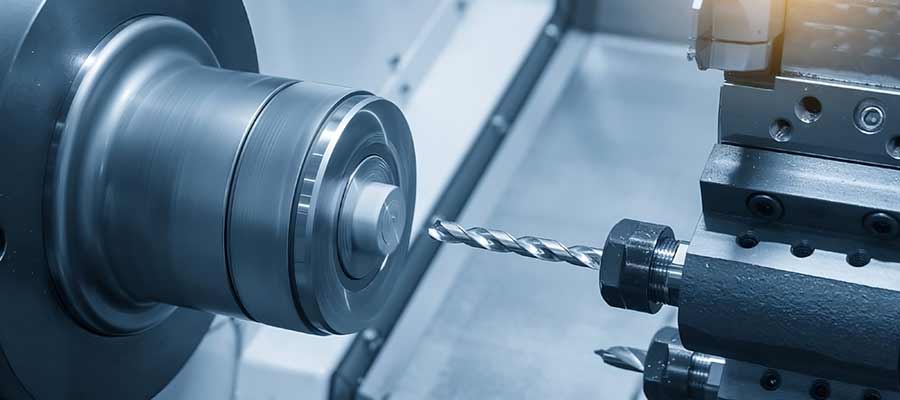
CNC machining ranges from basic 3-axis mills to complex 5-axis systems. Simple parts might work fine on 3-axis equipment. Complex geometries, tight tolerances, or multi-faceted parts? You need 4- or 5-axis capabilities. Ask about this upfront.
Second question: what materials do they know?
Some shops specialize in aluminum. Others focus on stainless or exotic alloys. Some do plastics and composites. Make sure your shop has actual experience with your specific material. Machining titanium isn’t the same as machining aluminum. Different feeds, speeds, tooling, techniques.
Third question: what industries have they served?
Aerospace, automotive, medical device experience usually means higher precision standards. These industries don’t tolerate sloppy work. A shop that’s succeeded there can probably handle your project.
Finally: certifications. ISO 9001, AS9100, ITAR registration—these indicate adherence to strict quality and regulatory requirements. Certification isn’t everything. But it’s a strong signal of professionalism.
Experience Matters More Than Equipment
Here’s something people miss.
A shop with fancy machines but inexperienced machinists will produce worse parts than a shop with older equipment and skilled operators.
The machines matter. But the people running them matter more.
Experienced machinists spot problems before they happen. They know when a design will cause issues. They suggest changes that improve manufacturability without compromising function.
I’ve seen shops with million-dollar equipment produce garbage because nobody knew how to use it properly. I’ve seen shops with 20-year-old machines produce perfect parts because the machinists understood metal like an extension of themselves.
Ask to see past projects. Especially ones similar to yours. Ask about challenges they faced and how they solved them. You’ll learn a lot from those conversations.
A shop that can’t explain their process clearly? That’s a warning sign. Move on.
Production Flexibility and Turnaround
Your timeline and volume requirements matter.
Some shops thrive on rapid prototypes and short runs. Others specialize in long-term, high-volume production. Different business models. Different strengths. Different pricing structures.
A shop set up for production runs might not be interested in your 10-piece prototype order. A shop focused on quick-turn prototypes might struggle with a 10,000-piece production run.
Ask about lead times. How long for a prototype? How long for production quantities? Can they handle rush orders when you need them? What does “rush” actually cost?
A well-organized shop has efficient workflows. Digital quoting systems. Inventory management. Production scheduling that actually works.
Also—can they scale with you? If your prototype turns into a production run, will they be able to handle the volume? Or will you need to find a new shop and start over?
Think ahead. It saves headaches later.
Communication Is Non-Negotiable
Pay attention to how they communicate during the quoting process.
Are they responsive? Do they ask good questions about your project? Do they offer suggestions to improve manufacturability or reduce cost?
That communication style during quoting? It’s exactly what you’ll get during production.
Good shops provide design-for-manufacturing guidance. They’ll tell you if a tolerance is unnecessarily tight, if a feature will cause problems, if a different approach would work better.
A shop that just takes your drawing and quotes a price without any feedback? Red flag. They’re either not looking closely or not willing to help.
You want a partner. Not just a vendor.
Quality Control Systems
How do they ensure parts are right?
Ask about inspection procedures. In-process checks. Final verification. What equipment do they use? CMMs? Optical comparators? Calipers and micrometers?
Ask how they handle non-conforming parts. What happens when something goes wrong? Do they catch it? Do they communicate it? Do they fix it?
Shops with real quality systems have answers to these questions. Shops without them get vague.
Trust the ones who can explain their process clearly.
Pricing and Value
Let’s talk about cost.
The cheapest quote isn’t always the best deal. I know that sounds obvious. But people forget it when they see a number that’s 30% lower than everyone else.
Low prices can mean cut corners. Less inspection. Rushed work. Cheaper tooling that wears faster and produces worse surface finishes.
Or it can mean hidden fees that show up later. Setup charges. Rework costs. Expedite fees when the original timeline slips.
Request detailed quotes that break down costs. Setup. Tooling. Materials. Labor. Inspection. Understand what you’re paying for.
A slightly higher price from a reliable shop often costs less than a low price from one that delivers late or delivers scrap.
Step-by-Step Selection Process
Here’s a framework that works.
Step 1: Define your requirements clearly. Material. Tolerances. Quantity. Timeline. Special requirements.
Step 2: Research potential shops. Check capabilities, certifications, industry experience.
Step 3: Request quotes from multiple shops. Ask for detailed breakdowns, not just totals.
Step 4: Evaluate communication. Who asks good questions? Who offers helpful feedback?
Step 5: Check references. Ask about past projects similar to yours.
Step 6: Make your decision based on value, not just price.
Follow this process and you’ll make an informed choice instead of gambling.
Industry Trends
A few things are shaping CNC machining right now.
Rapid prototyping demand is growing. Companies want smaller batches, faster iterations, quicker time-to-market.
Advanced materials are expanding. Specialty metals, composites, high-performance alloys—all seeing more use.
Digital workflows are becoming standard. CAD/CAM integration, ERP systems, real-time production tracking.
Local manufacturing is resurging. Producing closer to home reduces shipping costs and turnaround times. Important for time-sensitive projects.
Find a shop that’s keeping up with these trends. Not one stuck in the past.
FAQs
How do I know if a CNC shop is reliable?
Check certifications. Ask about inspection procedures. Request references from similar projects. Evaluate their communication during quoting.
Can one shop handle multiple materials?
Yes, but verify they have actual experience with each material type. Different metals require different techniques and tooling.
What’s typical turnaround for a prototype?
Small prototypes usually take a few days to a couple weeks. Depends on complexity, material, and shop workload.
Should I always choose the cheapest quote?
No. Low cost often means compromises in quality or reliability. Focus on value—what you get for what you pay.
Does location matter when choosing a CNC shop?
It can. Local shops offer faster shipping, easier communication, and the ability to visit in person. Worth considering for complex or time-sensitive projects.
What should I include in a quote request?
Material, tolerances, quantity, timeline, and any special requirements. More detail gets you more accurate quotes.
How important are certifications like ISO 9001?
They indicate established quality systems. Not everything, but a good signal of professionalism and process discipline.
What’s the difference between 3-axis and 5-axis machining?
3-axis handles basic parts. 5-axis handles complex geometries, undercuts, and multi-sided work without repositioning. More capability, higher cost.
Why Styner Machine Tools
Styner Machine Tools combines decades of experience with modern CNC technology.
Rapid prototypes or full production runs. Transparent pricing. Responsive communication. Collaborative design guidance when you need it.
We’re not just a vendor. We’re a manufacturing partner.
When you need CNC machining done right, give us a call.