Precision metal fabrication? Comes down to one thing.
Every part fits. Functions. Lasts the way it should.
Tiny mistakes snowball. And they snowball fast.
You ever bake something and mess up one measurement? Whole batch ruined. Metalwork is the same. Get one measurement wrong and suddenly you have misaligned holes. Weak joints. Parts that refuse to fit no matter how hard you try.
Snapshot: Precision Metal Fabrication
| Feature | What It Actually Means |
| Lifespan | Good parts last decades if you maintain them |
| Cost | $50 to $500+ per piece—material and complexity are the drivers |
| Tolerance Range | High-spec jobs often need ±0.001″ or tighter |
| Local Insight | U.S. shops like Styner bring expertise and modern gear together |
Why Precision Matters
Precision is not just shop talk. Not just a buzzword. It is what keeps things running safe and smooth.
Safety
Aerospace parts. Medical devices. Even a tiny misalignment in those applications? Consequences get serious. Fast.
Efficiency
Parts that fit right the first time mean assembly goes quicker. Labor costs drop.
Saving Money
Accurate cuts waste less material. Fewer screwups means fewer fixes later.
Looking Professional
Clean edges. Smooth finishes. Tight fits. Products look as good as they perform.
Precision affects everything downstream. Part lifespan. Machine operation. The whole chain.
How Shops Actually Hit This Level of Accuracy
Precise parts are not magic. Skilled people plus smart tools plus careful checking. That is the formula.
1. CNC Machining
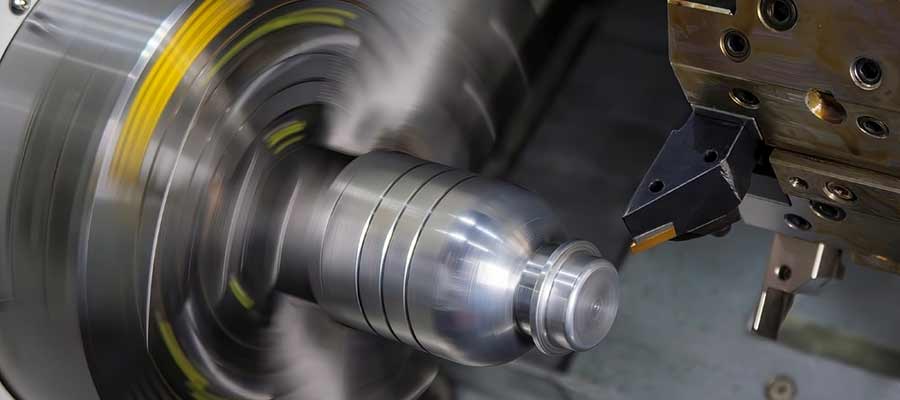
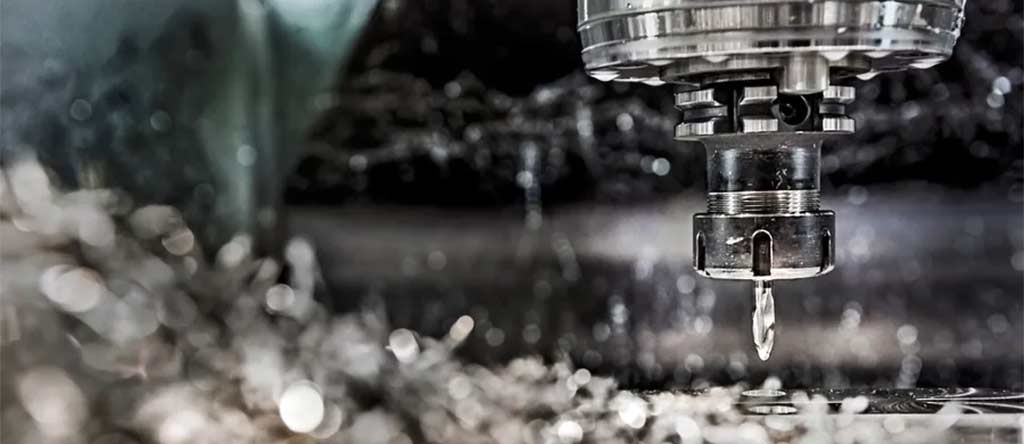
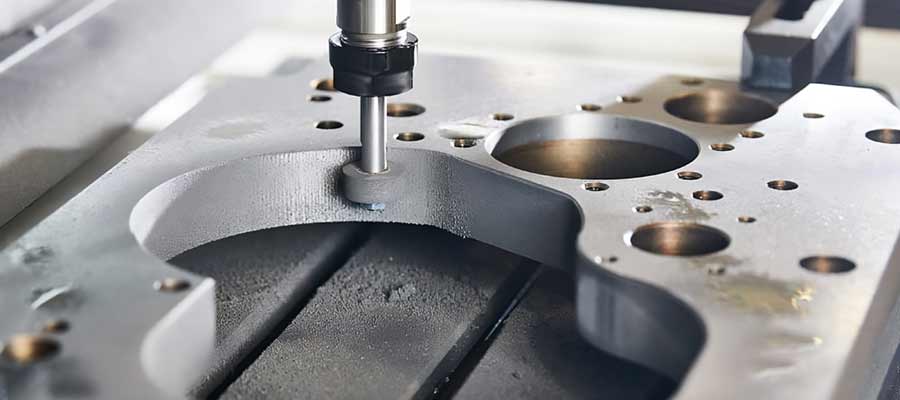
CNC machines work like a robot chef following a recipe to the letter. Every cut, every drill, every shape happens exactly as programmed.
Complex parts come out perfectly consistent. Multi-axis setups move parts in several directions at once. Human error? Way down.
2. Laser and Plasma Cutting
Laser cutting is basically a scalpel for metal. Super clean cuts. Heat damage is barely a concern.
Plasma is fast and powerful. Great for thicker metals. But it cannot match laser when you need fine precision.
3. Precision Welding
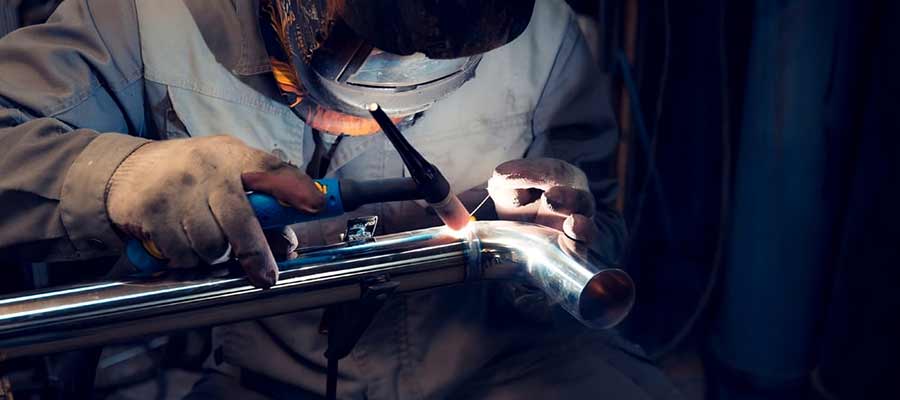
Perfectly cut parts still fail if you weld them badly. TIG welding gives fabricators tight control over heat and filler. Strong joints. Proper alignment.
4. Inspection and Quality Control
Cannot just hope parts came out right. Need to actually verify.
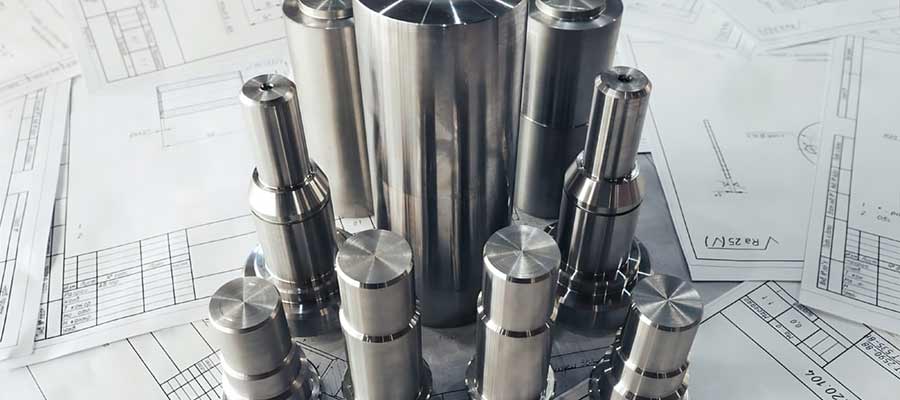
Micrometers. Calipers. CMM machines. Every dimension that matters gets checked. Some shops inspect mid-process so problems get caught before they compound.
ISO 9001 and AS9100 guide the process. Quality stays locked in.
Precision vs. Standard Fabrication
| Feature | Precision Work | Standard Work |
| Tolerances | ±0.001″ | ±0.01-0.1″ |
| Inspection | Ongoing throughout | Spot checks here and there |
| Material Waste | Kept minimal | More scrap typical |
| Best For | Aerospace, medical, custom machinery | General construction, less demanding jobs |
| Cost | More upfront but less long-term | Cheaper start but rework risk |
Precision costs more upfront. But it saves time, materials, and headaches down the line. Worth it.
What Drives Precision and Cost
Few things determine how precise and expensive a part ends up.
1. Material
Harder metals and exotic alloys require specialized tooling. Costs go up.
2. Design Complexity
Parts packed with features need more careful machining. More time on the machine.
3. Production Volume
Small batches cost more per part. Setup time happens whether you make ten parts or ten thousand.
4. Equipment
High-end CNC machines, lasers, and inspection gear boost accuracy. They also bump up project pricing.
From Idea to Finished Part
Every step counts here. Miss one and it costs you.
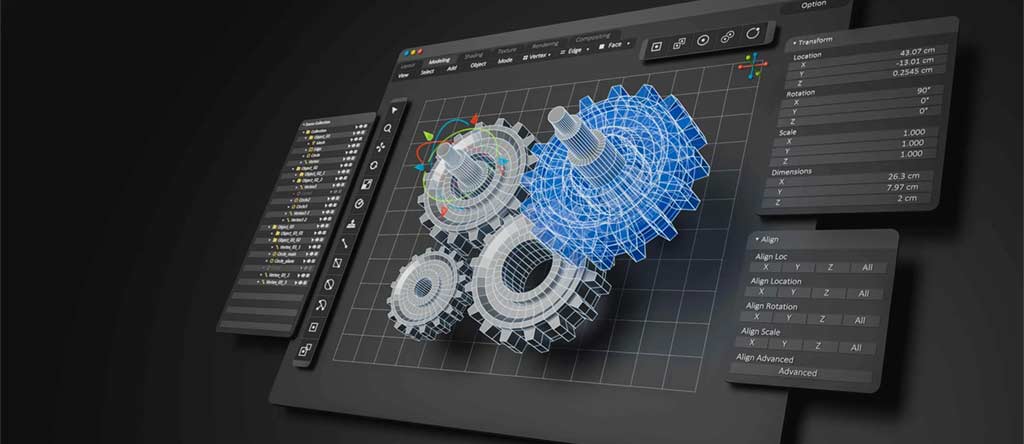
- Design Check: Run CAD or 3D models. Make sure everything fits together.
- Pick Material: Choose metal based on what strength and durability the job needs.
- Cutting and Shaping: CNC, laser, or plasma handles the heavy work.
- Assembly and Welding: Join pieces carefully. Alignment cannot be off.
- Inspection: Check every critical dimension before moving forward.
- Delivery: Parts ship ready to perform.
U.S. Metal Fabrication Trends
- Automation and Robotics: Shops adding robotic welding and CNC automation. Errors drop.
- Eco-Friendly Practices: Precision cutting means less waste. Sustainability benefits.
- Nearshoring: U.S. shops getting preference. Faster turnaround. Better quality control.
- Rapid Prototyping: Test and tweak parts faster than ever.
FAQs
What counts as high-precision fabrication?
Tolerances within 0.001 inches typically. Exact specs depend on the application.
How does CNC improve accuracy?
Machines follow digital instructions exactly. Human error drops. Parts stay consistent run after run.
Can precision actually save money?
Yep. Accurate parts cut waste, lower rework costs, speed up assembly. Pays for itself.
Which metals get used most?
Stainless steel, aluminum, titanium, specialty alloys. Depends on strength and durability requirements.
How do shops maintain quality?
Regular inspection with calipers, micrometers, CMMs. Every spec verified before parts move on.
What industries need precision fabrication?
Aerospace, medical, defense, automotive, robotics. Anywhere tight tolerances actually matter.
Why Styner Machine Tools
At Styner Machine Tools, precision defines us. It is who we are.
Decades of CNC machining, laser cutting, and precision assembly. Every part fits. Functions. Lasts.
Serving clients across the USA. Modern tech combined with hands-on expertise. Results you count on.
Precision manufacturing. Experienced team. Quality that matters. That is Styner.