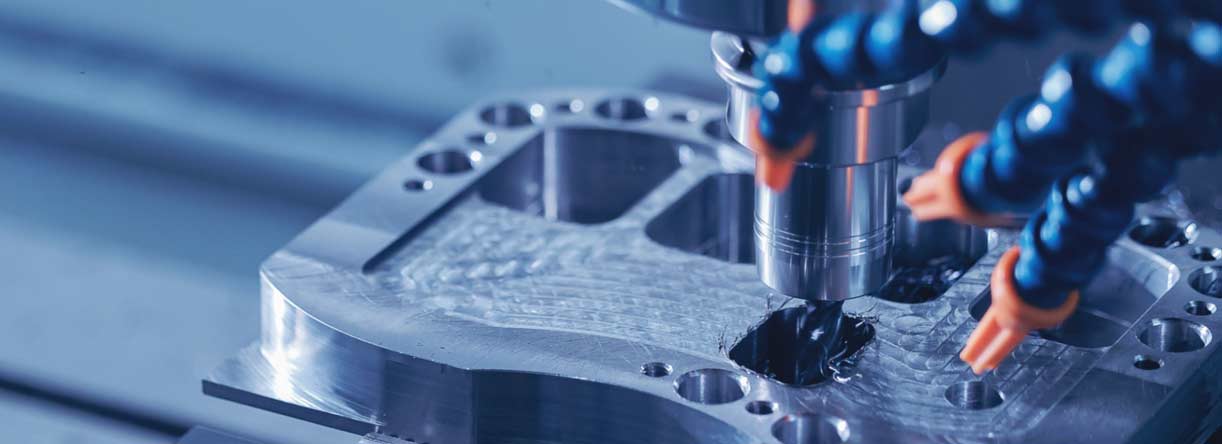
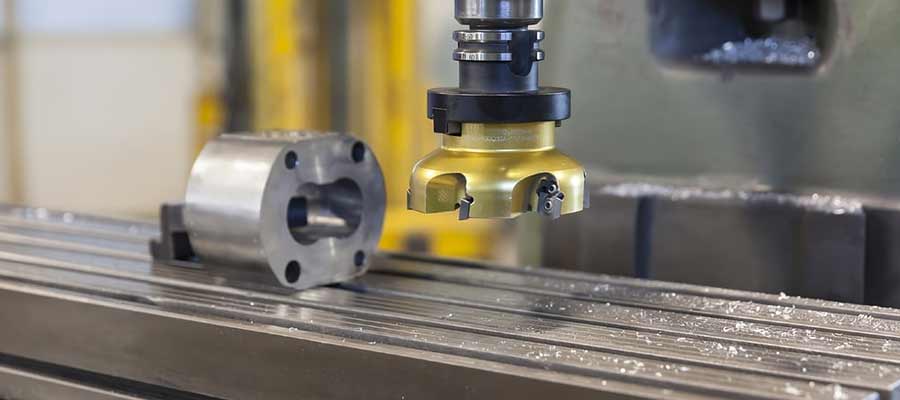
So how do ideas actually become real prototypes? The kind you can hold. Test. Break if you have to. CNC machining. That’s the short answer. Takes what’s on your screen and makes it physical. Pretty close to what you drew up, too.
Quick Snapshot: CNC Prototyping
| Feature | Details |
| How Long They Last | Short-term for testing or through multiple evaluation cycles. Your call. |
| Cost | Varies by material and complexity. Generally cost-effective for small runs versus traditional tooling. |
| Materials | Metals, plastics, composites, engineering-grade materials. Plenty of options. |
| Local Take | Styner Machine Tools serves manufacturers nearby with fast turnaround and hands-on prototyping support. |
Bottom line? CNC lets you move from idea to reality faster, smarter, with fewer headaches.
Precision: Why It Actually Matters
Here’s the thing about CNC. Precision. That’s the magic trick. You design something in CAD, you want the physical version to match. Not “kind of” match. Actually match.
CNC machines hit fractions of a millimeter. Every time. No eyeballing it. No “close enough.”
And that matters because engineers and designers can test fit, function, design—without crossing their fingers hoping the prototype doesn’t act weird. A bracket that doesn’t fit? Component that craps out during testing? That’s weeks of work gone. CNC sidesteps that whole mess. First prototype acts like the final product would.
Precise prototypes make testing actually mean something. You see how a part handles stress, heat, load. Real data. Not the guesswork you get from rough hand-built stuff or 3D prints.
Speed and Iteration: Move Fast, Break Things, Fix Them
CNC isn’t just precise. It’s quick.
CAD design ready? Machine starts cutting almost right away. You’re looking at multiple iterations in days. Not weeks. Totally different ballgame from sitting around waiting on molds or manual setups.
Aerospace. Automotive. Electronics. Speed isn’t a “nice to have” in those worlds. It’s survival. Quick iteration means teams test, tweak, refine—all before betting big on full production.
Automation cuts down on manual setup headaches too. Fewer screw-ups. Smoother workflows. Engineers actually get to improve designs instead of babysitting machines. That’s where the real value shows up.
Material Versatility: Test With the Real Stuff
CNC machines don’t care what you throw at them. Aluminum. Steel. High-performance plastics. Composites. All work.
Big deal? Yeah, actually. Because you can build prototypes from the exact same material you’ll use in production. Real durability testing. Real strength numbers. Not theoretical nonsense.
Think about it. Aluminum bracket machined on a CNC bends and flexes exactly like the final product will. You’re designing with confidence. Not hope.
Realistic prototypes catch problems early. Before production. Before it gets expensive. That’s the difference between a minor design tweak and a major disaster.
Cost Efficiency: Good Parts, Not Broke
CNC prototyping makes financial sense. Fewer mistakes means less material in the trash. Automation keeps labor costs down. Small runs? Skip the expensive molds entirely.
Great news for startups. Or anyone testing wild ideas without a fat budget. Run through multiple concepts. Refine as you go. Innovate without going bankrupt.
Quality prototypes. Reasonable price tag. The math works.
Comparing CNC to Other Methods
| Method | Accuracy | Material Options | Lead Time | Cost |
| CNC Machining | High | Metals, Plastics, Composites | Days | Moderate |
| 3D Printing | Medium | Plastics, Some Metals | Hours | Low-Med |
| Manual Machining | Medium-Low | Metals, Wood | Weeks | High |
CNC hits the sweet spot. Precision, versatility, and speed. Especially for functional prototypes that need real-world testing. No way around it.
Key Factors That Affect CNC Prototyping
Several things influence results:
Material Choice. Impacts performance, durability, and cost. Pick wisely.
Design Complexity. More intricate parts take longer to machine. That’s just how it works.
Tolerance Requirements. Tighter tolerances improve accuracy but increase machining time. Tradeoff.
Volume. CNC is ideal for small to medium production runs. Sweet spot territory.
Understand these factors. Plan better. Avoid surprises. Get better results.
Step-by-Step CNC Prototyping Plan
Here’s a practical approach for turning ideas into functional prototypes:
Step 1: Design. Create a detailed CAD model. Garbage in, garbage out. Get this right.
Step 2: Select Material. Match it to what you’d use in production. Test like you mean it.
Step 3: Program the Machine. Convert the CAD design into CNC instructions. Precision starts here.
Step 4: Produce the Prototype. Fabricate with precise tolerances. This is where it becomes real.
Step 5: Test and Iterate. Evaluate. Adjust. Repeat until your design is right. Don’t rush this.
This framework ensures prototypes aren’t just visually accurate. They’re functional.
What’s Happening Now
CNC prototyping keeps getting better:
Multi-axis machines are everywhere now. Complex shapes that used to be a nightmare? Standard stuff these days.
Sustainability isn’t optional anymore. Less waste, better materials. Shops that ignore this are falling behind.
Aerospace, medical devices, EVs—they’re all hungry for precision parts. Demand keeps climbing.
Locally? Styner Machine Tools does on-demand CNC prototyping. Fast turnaround. Expert guidance. Any project size. We don’t make it complicated.
FAQs
How long does CNC prototyping take?
Usually 1 to 7 days. Depends on complexity and material. Not months. Days.
Can prototypes be made from production materials?
Yes. Metals, plastics, composites—all can match your final parts. Test with real materials.
Is CNC cost-effective for small runs?
Absolutely. Cuts labor, material waste, and tooling costs. No expensive molds needed.
How precise are CNC prototypes?
Tolerances can be as tight as ±0.001 inches. Crazy accurate.
Who benefits most from CNC prototyping?
Aerospace, automotive, medical devices, and electronics industries. Anyone making precision parts.
What’s the biggest advantage over 3D printing?
Material strength and precision. CNC parts are cut from solid stock. They behave like final products. 3D prints often don’t.
Why Styner Machine Tools
Styner Machine Tools takes the headache out of CNC prototyping. Quick turnarounds. People who actually know what they’re doing. Materials that make sense for your project.
Our team’s been doing this a long time. Quality doesn’t slide. And yeah, we get that deadlines matter just as much as specs.
Got an idea that needs to become real? Styner Machine Tools. Let’s make it happen.