So you need precision cuts and you’re wondering which method to use. Fair question. Here’s the short version: water cutting wins when you’ve got heat-sensitive materials that would warp or weaken under thermal stress. EDM is the answer when you’re dealing with hard, conductive metals and need crazy-intricate details.
Two completely different animals. Pick wrong and you’ll waste time, money, or both. Pick right and the job practically runs itself.
Snapshot: The Key Differences at a Glance
| Feature | Water Cutting | EDM Machining |
| Lifespan | 10–15 years with maintenance | 15+ years, built tough |
| Cost Range | $50,000–$150,000 | $40,000–$200,000 |
| Materials | Almost anything—soft, heat-sensitive, composites, you name it | Conductive metals only |
| Precision | Moderate tolerances, flexible shapes | Insanely tight tolerances, intricate 2D/3D |
| Best Trick | Cold cutting = zero heat distortion | Surface finish and detail that’s hard to beat |
How These Processes Actually Work
Water Cutting Explained
Pretty wild when you think about it. Take water, crank the pressure way up, and it’ll slice through materials like a hot knife through butter. When the material is really tough—metals, stone, thick composites—you throw some garnet abrasive into the stream. Particles chew through stuff that pure water can’t touch.
Pure water jet is your friend for soft materials. Plastics. Rubber. Foam. Textiles. Leaves surfaces scratch-free because there’s nothing abrasive in there. Abrasive waterjet tackles the hard stuff. Metals. Stone. Glass. Thick composites. Particles erode the surface gradually, cutting clean even through dense materials.
Here’s the kicker though. Water cutting is cold. Zero heat. Nothing to warp your material or mess with its properties. Dimensional stability stays perfect. Edges come out clean. If heat distortion would ruin your part, this is the process you want. Period.
EDM Explained
Electrical Discharge Machining—or spark machining if you want the nickname—works completely differently. Controlled electrical sparks between a workpiece and an electrode, everything submerged in dielectric fluid. Sparks vaporize tiny bits of metal. Sounds violent. Actually incredibly precise.
Wire EDM runs a thin wire through the material continuously, eroding it into highly accurate 2D shapes. Dies. Intricate components. Anything needing tolerances tighter than your accountant. Sinker EDM uses custom-shaped electrodes to carve 3D features into conductive workpieces. Molds. Aerospace parts. Medical instruments. Complex cavities that would be nightmares to mill.
One catch. Big one actually. EDM only works on conductive materials. If it doesn’t conduct electricity, you need a different approach. No exceptions.
Strengths and Weaknesses—Let’s Be Honest
Neither process is perfect. Both have trade-offs worth knowing.
Water cutting handles almost any material you throw at it. No heat distortion to worry about. Flexible enough for complex shapes. But—and this matters—accuracy drops on really thick metals. And those abrasives? They add up. Cost per hour isn’t nothing.
EDM delivers precision that borders on ridiculous. Intricate 2D and 3D shapes that other processes can’t touch. Surface finishes so good they sometimes skip secondary operations entirely. Downside? Only works on conductive metals. Slower than waterjet. Electrode wear eats into your budget over time.
Real example from aerospace: Shops use waterjet for large composite panels because heat would destroy them. Then they switch to EDM for the precise metal inserts where tolerances are insanely tight. Best of both worlds. Smart money does both.
Stacking Up Against Other Cutting Methods
Worth understanding where waterjet and EDM fit in the bigger picture.
Water Cutting vs Laser
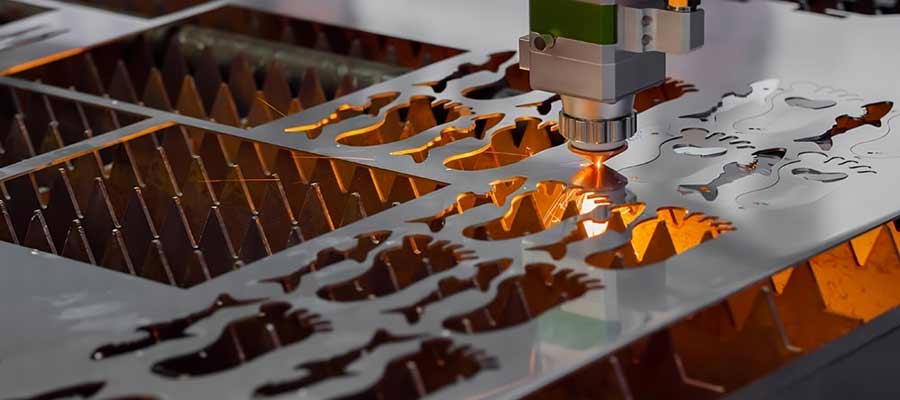
Lasers are speed demons on thin sheets. No argument there. But waterjet handles thicker metals and heat-sensitive composites without leaving heat-affected zones behind. Laser would cook those materials. Waterjet doesn’t. Different tools, different jobs.
EDM vs CNC Milling
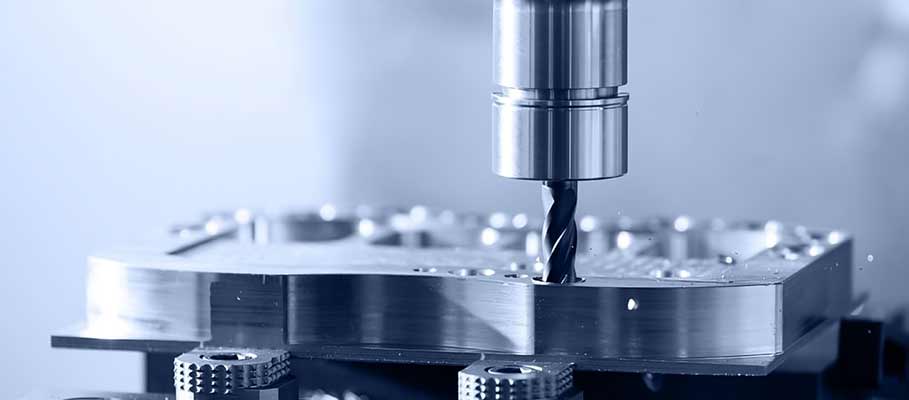
Milling rips through softer metals fast. Great for bulk material removal. But EDM gets into cavities and achieves surface finishes that milling physically cannot replicate. When the geometry is complex or the finish requirements are brutal, EDM wins. Simple as that.
Lots of manufacturers use both waterjet and EDM on the same project. Hybrid approach. Cuts secondary finishing steps. Often the smartest play.
What Actually Drives Performance and Cost
Bunch of factors influence your results and your invoice.
Material type is the big one. How hard is it? How thick? Does it conduct electricity? Water cutting handles nearly everything. EDM is picky—conductive metals only or don’t bother. Design complexity matters too. Wild 3D shapes push you toward EDM. Complex 2D profiles and varying thicknesses? Waterjet territory.
Precision needs drive a lot of decisions. Need tolerances so tight they’re measured in tenths? EDM. Moderate tolerances at good speed? Waterjet. Volume plays in too. High-volume runs like waterjet’s throughput. Small batches of precision parts? EDM makes more sense. Don’t forget consumables either. Abrasives for waterjet, electrode wear for EDM—both hit the bottom line.
Understand these and you’ll budget accurately. Ignore them and you’ll get surprised. Not the good kind of surprise.
How to Pick: A Framework That Actually Works
Need to choose between these two? Walk through this.
Step 1: What’s the Material?
Soft? Hard? Hates heat? Conducts electricity? This single question narrows things down fast.
Step 2: How Complex Is the Design?
Basic 2D profiles? Intricate 3D cavities? Elaborate cutouts? Complexity pushes you one direction or the other.
Step 3: What Tolerances and Finishes Do You Actually Need?
Be real about this. Tighter tolerances and better finishes cost more. Don’t over-specify if you don’t have to.
Step 4: Speed and Budget Reality Check
How fast do parts need to ship? What can you actually spend? Throughput needs and consumable costs all factor in.
Step 5: Make the Call
Water cutting for flexibility, heat sensitivity, or non-conductive materials. EDM for conductive metals needing extreme precision. Sometimes you use both. That’s fine too.
What’s Happening in the US Right Now
Hybrid workflows are blowing up. Manufacturers across the country combining waterjet and EDM to balance speed, precision, and material flexibility. Makes sense when you think about it. Why limit yourself to one tool?
Short-run manufacturing keeps growing. Custom parts. Small batches. Aerospace, medical, automotive all want flexible methods that don’t require massive setup investments. Waterjet and EDM fit that perfectly.
Sustainability is on everyone’s radar now too. Modern systems focus on cutting energy consumption and recycling fluids—abrasives for waterjet, dielectric for EDM. Eco-friendly manufacturing isn’t just PR anymore. It’s becoming standard practice.
FAQs
Will water cutting damage delicate materials?
Nope. It’s a cold process. Heat-sensitive stuff stays safe. No thermal damage to worry about.
Can EDM handle any metal?
Only conductive ones. If it doesn’t conduct electricity, EDM won’t work. Full stop. Use waterjet or something else.
Which one is faster for production runs?
Waterjet. Especially on thicker materials or non-conductive stuff. EDM is slower but more precise.
When do you need abrasive waterjets specifically?
Hard materials. Metals. Stone. Glass. Thick composites. Anything that pure water just bounces off of.
Can you use both on the same project?
All the time. Hybrid workflows are common now. Use waterjet for rough shapes or heat-sensitive areas. EDM for precision features. Best results often come from combining them.
Which saves more money overall?
Depends entirely on the job. Waterjet usually wins on thicker materials and higher volumes. EDM costs more but delivers precision you can’t get any other way. Match the process to the requirements.
Why Styner Machine Tools
Styner Machine Tools has decades of precision machining under our belt. Waterjet and EDM expertise combined to deliver reliable parts that actually meet spec. Aerospace clients. Medical. Automotive. Industrial. We work with them all across the USA.
Tight tolerances? We hit them. Complex designs? We handle them. Material-specific challenges? We solve them. That’s what Styner does.