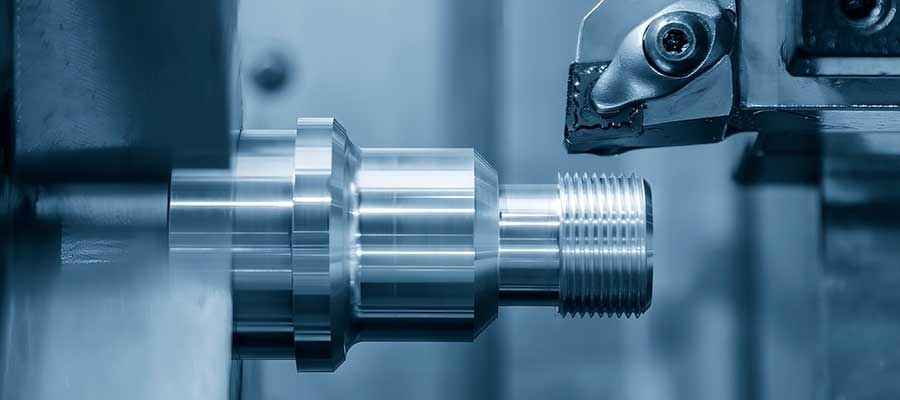
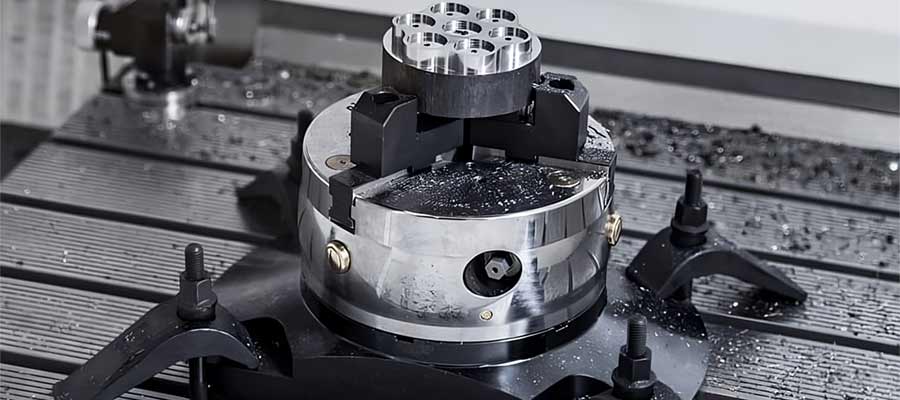
Looking for jewelry that is precise, intricate, and flawless? CNC is how you get there.
More jewelers are making the switch. Here is why it makes sense.
Snapshot: CNC Jewelry Making
| Feature | The Reality |
| Precision | Micrometer-level accuracy—fine details come out sharp |
| Materials | Gold, silver, platinum, titanium, gemstones—all work |
| Production Time | Automation saves hours compared to doing it by hand |
| Cost Range | Simple custom pieces $50-$200, elaborate platinum $500+ |
| U.S. Insight | Prototypes fast, quality stays consistent |
| Tool Lifespan | Machines last 10+ years with proper care |
Why Precision Matters
Jewelry is unforgiving. Tiny mistakes ruin pieces.
Engraving slightly off? Gemstone placement a hair wrong? Both tank the beauty and the value. Customers notice.
CNC eliminates the guesswork. Machines follow digital CAD designs down to the micrometer. What you design is what you get.
For jewelers, that means fewer mistakes. Less wasted material. Clients walking away happy with flawless results.
Handcrafting varies depending on the day. Fatigue creeps in. Experience levels differ. CNC does not care about any of that. Every ring, pendant, or bracelet comes out just as perfect as the last one.
Design Freedom
CNC is not only about precision. It is a playground for creative work.
Multi-axis machines cut, carve, and engrave shapes and textures that would take days or weeks doing it manually. Maybe longer.
Unique filigree pattern? Complex 3D engraving? Multi-layered design? CNC handles all of it.
Go from a digital CAD sketch to a physical prototype fast. Adjust on the fly. Experiment without stressing about wrecking expensive material.
Jewelers who like pushing creative limits? CNC opens doors that hand tools cannot.
Speed and Efficiency
Time is money in the jewelry business. CNC saves both.
Manual crafting looks beautiful. But it is slow. Intricate designs take forever by hand. CNC automates the tedious parts—cutting, engraving, shaping. Pieces get done faster. Less effort.
That speed means jewelers respond to trends quicker. Custom orders get finished. Inventory stays fresh.
Automating the repetitive stuff frees artisans up. More time for creativity. More time for quality control. More time for customers. Not endless hours doing meticulous cuts.
Works with Precious Materials
Gold, silver, platinum, titanium—CNC handles all of them. Delicate gemstones too. Material stays undamaged.
Precision cuts reduce waste. That matters a lot when you are working with expensive metals.
Jewelers produce high-end pieces more efficiently. Money saved. Resources saved. Luxury-level quality maintained. Whether it is a simple silver ring or a complex platinum necklace, CNC makes it happen.
Consistent Quality
Customers expect perfection. CNC delivers it.
Smooth surfaces. Precise details. Minimal post-processing needed. Less polishing. Fewer adjustments. High-quality finish regardless.
One custom piece or a batch of fifty—CNC keeps every product at the same standard. That consistency builds trust with customers and builds the jeweler reputation.
CNC vs. Handcrafting
Handcrafted jewelry has charm. Personal touch. But it is slow. And results vary piece to piece.
CNC gives you repeatable precision. Design creativity does not suffer.
Here is one way to think about it. Handcrafting is like painting each piece from scratch. CNC is like having a perfect stencil that reproduces the same masterpiece again and again. Same quality every time.
Jewelers who want speed, accuracy, and flexibility? CNC makes sense.
What Affects Results and Pricing
1. Material Type
Soft metals like gold cut quicker. Hard metals like platinum take longer. That affects what you pay.
2. Design Complexity
Intricate patterns and 3D shapes mean more programming. More machine time. Higher cost.
3. Production Volume
Bigger orders bring down cost per piece. Efficiency gains add up.
4. Finishing Requirements
Extra polishing or plating? Adds to the final price.
Knowing these factors helps jewelers plan projects and give clients accurate quotes.
Step-by-Step: CNC Jewelry Production
- Design in CAD: Build a digital model of the piece.
- Pick materials: Metals and gemstones chosen based on design and budget.
- Program the machine: CAD file becomes precise machine instructions.
- Machine it: Multi-axis CNC cuts, carves, engraves.
- Finishing: Minor polishing and adjustments where needed.
- Quality check: Tolerances, surface smoothness, design accuracy all verified.
Stick to this workflow and every piece hits artistic and technical standards.
U.S. Trends
Jewelers across the USA are leaning into CNC. Small-batch work. Sustainable production. Personalized designs.
CNC cuts waste, speeds up prototyping, and makes unique intricate creations possible.
Demand for one-of-a-kind pieces keeps growing. Jewelers using CNC have an edge. Faster turnaround. Consistent quality. Freedom to experiment creatively.
FAQs
Why pick CNC over handcrafting?
Better precision. Repeatable results. Faster production. Creative designs still happen.
Can CNC handle all precious metals?
Yep. Gold, silver, platinum, titanium, gemstones. No material damage.
Good for custom designs?
Absolutely. Any CAD design becomes a physical piece with exact precision.
Does it save time?
Yes. Automated cutting and engraving slash production time.
Does CNC improve quality?
Definitely. Consistent pieces. Precise details. Minimal finishing needed.
What about small orders?
CNC handles them fine. No expensive tooling for one-offs or small batches.
Why Styner Machine Tools
Styner Machine Tools helps jewelers bring intricate designs to life.
CNC machines and expert support. High-quality, precise, customized pieces every time.
Delicate pendant or complex platinum ring—our tools make the process smoother and faster.
Precision manufacturing. Experienced team. Quality that holds. That is Styner.