Spent a morning last year at a shipyard in Norfolk with a guy named Ray. Forty years in marine manufacturing. Hands like leather from decades of work. Knew every bolt and bracket on the vessels coming through his shop like most people know their own kitchen.
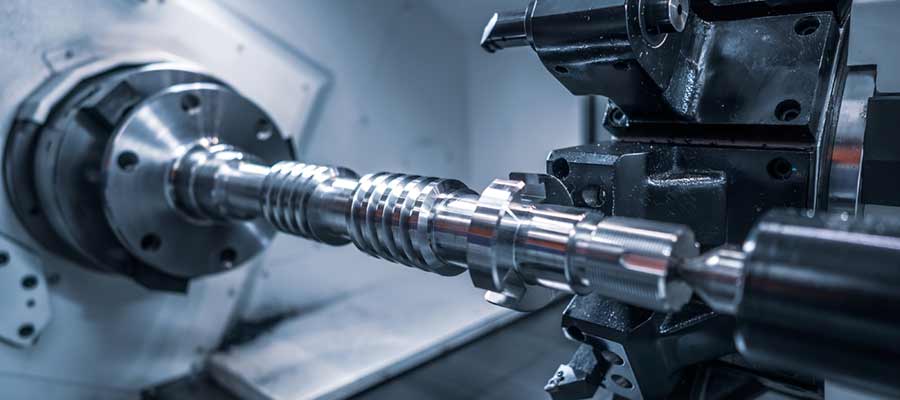
We were standing over a propeller shaft that had come in for inspection. Beautiful piece of work—bronze, polished smooth, tolerances so tight you could barely see where it mated with the housing. Ray ran his fingers along the surface and shook his head. “Twenty years ago, getting this kind of finish would’ve taken us three weeks minimum,” he said. “Now? Days. CNC changed everything about how we work.”
He wasn’t being dramatic. I’ve seen it myself across dozens of yards now. The stuff that makes ships actually function—steering gear, engine mounts, shaft housings, all of it—comes off CNC machines these days. Has for a while. And when you think about what these components go through? Storms, salt, years of nonstop punishment? You start to understand why the precision matters so much.
Quick Reference: Marine CNC at a Glance
| Feature | Details |
| Component Lifespan | CNC-machined parts typically last 20–30% longer than traditionally manufactured components |
| Cost Range | $500–$5,000+ depending on material and complexity |
| Common Materials | Stainless steel, marine-grade aluminum, bronze, composites, specialized plastics |
| Production Speed | Up to 50% faster than traditional methods for complex parts |
| Local Insight (USA) | Shipyards increasingly rely on CNC for faster turnaround, fewer errors, and easier compliance with maritime safety standards |
What Happens When Tolerances Slip
Let me tell you about a tugboat captain I met in Galveston. Name was Carlos. He’d been running boats up and down the Gulf Coast for about eighteen years when we talked. Guy had stories.
One that stuck with me: he was towing a barge through some rough weather when his steering started feeling “sloppy.” His word. Turns out a component in the steering linkage had been machined just slightly out of spec. Not enough to catch during installation. But after a few thousand hours of use? The play in that joint had gotten worse. A lot worse.
“Fifty miles offshore in six-foot seas isn’t where you want to find out your steering’s going,” Carlos said. He got the boat back safe, but it was closer than he liked.
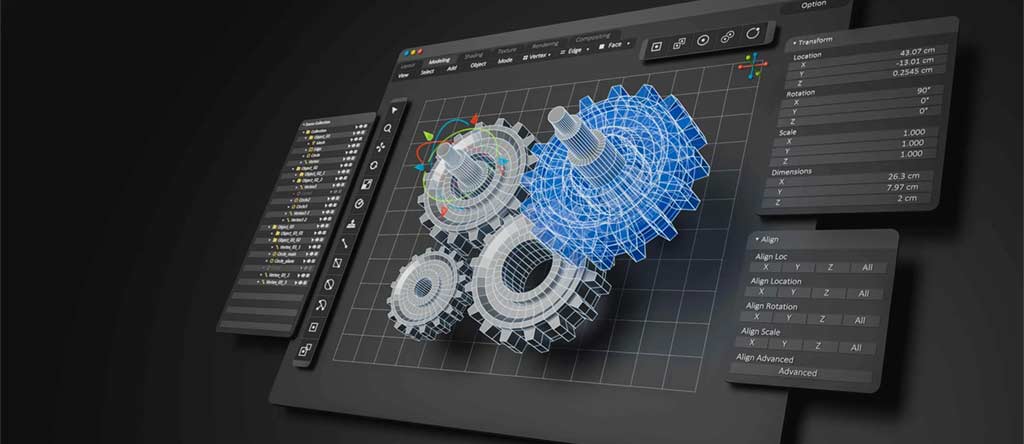
That’s the thing about marine work. Tolerances that seem fine on paper can become real problems at sea. CNC machining helps because the precision is genuine—we’re talking thousandths of an inch, sometimes tighter. The machines follow CAD data exactly. No interpretation from a tired operator at the end of a long shift. No “close enough” when close enough isn’t actually close enough.
What’s that worth in practice?
- Parts mate on the first try. Assembly crews aren’t forcing things into place or shimming gaps that shouldn’t exist.
- Wear patterns stay predictable. Components that fit properly don’t develop weird stress points that lead to early failure.
- Performance holds up. Loads distribute the way the engineering drawings said they would.
- Fewer surprises offshore. And in this business, surprises are never the good kind.
A marine engineer named Patricia—25 years working on commercial vessels—told me she can feel the difference when she’s installing a CNC-machined component versus a traditionally made one. “Good parts practically fall into place,” she said. “The bad ones fight you.” She wasn’t kidding.
Saltwater Destroys Everything (Eventually)
Here’s something landlocked manufacturers don’t fully appreciate: the ocean is trying to eat your equipment. Constantly. Saltwater corrodes metal. Humidity accelerates the process. Temperature swings stress materials in ways that indoor machinery never experiences. And that’s before you add vibration, impact loads, and the general abuse that comes with maritime operations.
I’ve heard horror stories. A set of fittings that looked perfect at installation—corrosion had eaten through them within eight months. A shaft sleeve that failed spectacularly because someone chose the wrong alloy for the application. Materials matter out here. A lot.
The stuff that actually survives:
- Stainless steel – Been the workhorse for marine applications since forever. Strong, fights corrosion, and we know how it behaves because we’ve been using it for decades.
- Marine-grade aluminum – Lighter than steel by a huge margin. Holds up fine in saltwater when you treat it right. Showing up more and more where weight savings matter.
- Bronze – Old school for a reason. Propellers and fittings have used bronze for literally centuries. Still works.
- Composites – The new kid. Great strength-to-weight ratio, excellent corrosion resistance. Gaining ground in hull components and structural applications.
- Specialized plastics – For specific situations where chemical resistance trumps everything else.
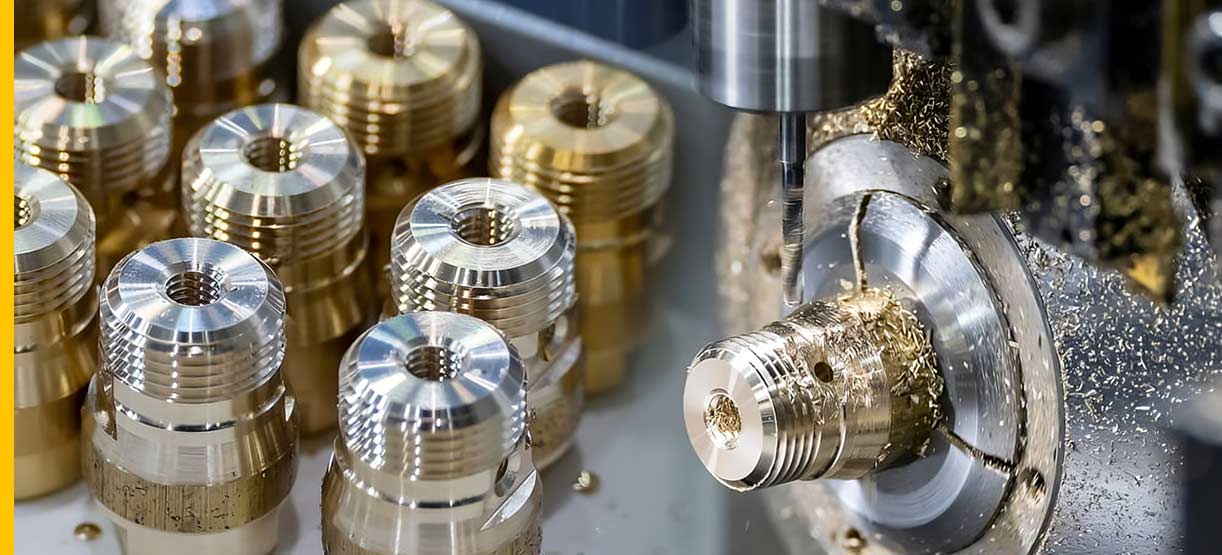
Now, stainless and bronze are pains to machine. They generate heat, they’re hard on tooling, they don’t cooperate the way aluminum does. Traditional machining struggles with consistency on these materials—operator fatigue, tool wear, all the usual problems compound.
CNC doesn’t care. Part twenty comes out identical to part one. That consistency is worth real money when you’re sourcing components that need to last years at sea.
The Money Actually Makes Sense
Had lunch with a shipyard owner in Maine last fall. Guy named Dennis, been in the business his whole adult life. His father ran the yard before him. He had some numbers that stuck with me.
Before switching to CNC for critical components, his crew spent roughly 15% of assembly time on rework. Fitting parts that didn’t quite fit. Adjusting things that should’ve been right. Waiting while someone figured out why a component wasn’t mating properly.
After? That rework number dropped to about 6%. “We’re not fighting parts anymore,” Dennis said. “Guys show up, things fit, work gets done.” He figured the reduced rework alone paid back the CNC investment in under two years. Everything after that was gravy.
The savings stack up in ways people don’t always think about:
- Less scrap material. CNC optimizes cutting paths, so you’re not paying for metal that ends up in the bin.
- Faster assembly. Parts that fit don’t need adjustment. Sounds obvious but the time savings are real.
- Lower lifetime maintenance. Precision parts wear evenly and last longer. You’re not replacing stuff as often.
- Fewer warranty claims. Components that meet spec don’t come back.
Shipbuilding margins are tight. Always have been. CNC machining doesn’t change that reality, but it does help you keep more of what you earn.
Testing Ideas Without Losing Your Mind
Marine technology moves faster than people think. Hybrid propulsion, advanced hull designs, new approaches to fuel efficiency—there’s genuine innovation happening. And innovation means prototyping.
Used to be, testing a new design meant waiting. Design something, wait weeks for prototype parts, test it, find problems, redesign, wait again. Brutal cycle. Killed momentum. Made people conservative about trying new approaches because the iteration cost was so high.
CNC compressed that timeline dramatically. A naval architect I know—woman named Sandra who works on commercial vessel designs—told me about a rudder project she ran last year. Complex geometry intended to improve fuel efficiency by reducing drag.
“Old way, we would’ve built maybe three prototypes over twelve months,” she said. “With CNC, we tested seven variations in four months. Found the sweet spot faster, hit our efficiency targets, delivered ahead of schedule.” Her client was happy. She was happy. Everybody won.
That speed changes how people approach design problems. You can afford to try things that might not work because the cost of finding out isn’t catastrophic.
Dealing With Surveyors and Regulations
Maritime regulations exist for good reasons. Ships sink. People die. The rules are there because bad things happen when manufacturers cut corners.
That said, compliance is a headache. Classification societies, flag state requirements, international standards—the paperwork alone can bury you. Material certs, dimensional verification, traceability documentation. All of it needs to be right.
CNC machining makes the compliance dance easier:
- Parts actually meet spec. Consistently. So inspection becomes a formality instead of a crisis.
- Digital records tie production data directly to finished components. What was programmed, what was measured, what shipped—it’s all documented.
- Repeatability gives surveyors confidence. They can verify that production parts match approved designs.
- Precision tolerances meet classification requirements without heroic effort or special pleading.
The paperwork doesn’t disappear. Nothing makes paperwork disappear. But when your parts consistently meet spec, the paperwork becomes a box-checking exercise instead of damage control.
How a Marine CNC Project Actually Runs
Different shops have different approaches, but the basic framework stays pretty consistent:
- Lock down the design – CAD models finalized with dimensions, tolerances, material specs all confirmed. Changes after this point cost money and time.
- Pick the right material – Match the material to what the part actually needs to do. Corrosion resistance, strength, weight—all the factors.
- Program the machines – Convert design into cutting instructions. Speeds, feeds, tool paths, all optimized for the specific material and geometry.
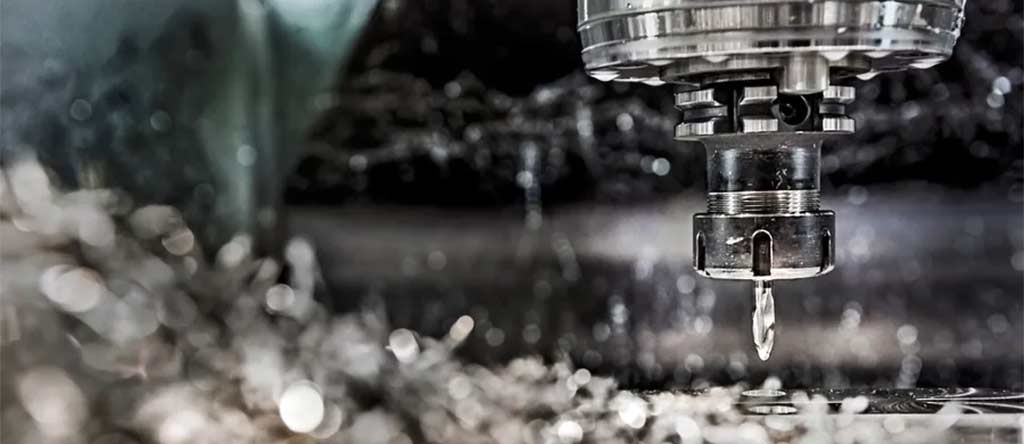
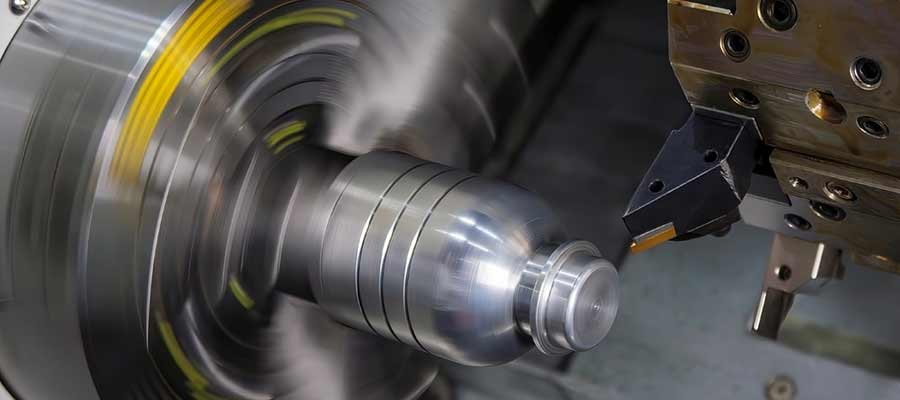
- Cut the parts – Where raw stock becomes a precision component. The actual machining.
- Inspect everything – Dimensional checks, surface analysis, material testing if required. Generate the documentation.
- Install and integrate – Put the finished component where it belongs. Good parts make this step boring. Boring is good.
Following this process catches problems early. Fixing a design issue in CAD costs almost nothing. Fixing it after you’ve machined fifty parts costs a fortune. Ask me how I know.
CNC vs. Traditional Methods: Real Differences
People have built ships with traditional manufacturing for centuries. It works. But here’s how the methods actually compare for precision components:
| Factor | CNC Machining | Traditional Methods |
| Precision | ±0.001″ achievable | ±0.01–0.05″ typical |
| Scrap Rate | Low—optimized cutting | Higher—more waste |
| Speed | Fast—runs unattended | Slower—operator dependent |
| Part-to-Part Consistency | Excellent—digital control | Variable—human factors |
| Documentation | Built into the process | Manual—extra effort |
Traditional methods still have their place. Emergency repairs. One-off custom work. Situations where you need something right now and perfection can wait. But for precision components going into production vessels? CNC is the standard. Has been for a while now.
Where This Is All Going
Been talking to shipyard managers and marine suppliers a lot lately. Few patterns keep showing up:
- Hybrid and electric propulsion creating new demands – Different motors need different mounts, different cooling, different everything. All requires precision machining.
- Lightweight materials spreading into new applications – Fuel isn’t cheap. Weight savings translate directly to operating cost savings. Aluminum and composites showing up where steel used to dominate.
- Design cycles compressing – Competitive pressure means getting vessels to market faster. CNC prototyping enables that.
- Environmental rules getting stricter – Emissions standards, efficiency requirements, all tightening. Compliance requires precision components.
- Reshoring continuing – Supply chain chaos during COVID pushed a lot of yards toward domestic suppliers. That shift is sticking around.
The yards investing in CNC capabilities now are positioning themselves for where the industry is heading. Precision keeps getting more important. Speed keeps getting more important. The shops that can deliver both will thrive.
FAQs
1. What materials hold up best for marine CNC work?
Stainless steel handles most situations—strong and corrosion-resistant. Marine-grade aluminum when you need weight savings. Bronze for propellers and traditional fittings, same as always. Composites and specialized plastics for specific applications. Depends entirely on what the part needs to do and what environment it lives in.
2. How much faster is CNC than the old way?
For complex parts, 50% faster is common. Simpler parts see smaller gains. But the real time savings show up downstream—assembly goes faster when parts actually fit, rework drops, schedules become predictable. Those indirect savings often exceed the direct machining time savings.
3. Can CNC handle complicated marine geometries?
That’s actually where it shines. Multi-axis CNC machines produce curved surfaces, internal passages, complex profiles that would be impractical or impossible with traditional methods. The complicated stuff that used to require heroic effort is now routine.
4. Do CNC-machined parts actually last longer?
Generally, yes. 20-30% longer lifespan is typical. Better precision means better fit, which means loads distribute properly and wear patterns stay predictable. Parts that mate correctly don’t develop the stress concentrations that cause premature failure.
5. How does CNC help with maritime compliance?
Consistent quality is the key. When parts meet spec every time, inspections become routine. Digital records connect production data to finished components. Surveyors can verify that what you’re installing matches what was approved. That traceability matters a lot in this industry.
6. What’s a typical price range for marine CNC components?
Most parts fall between $500 and $5,000. Complex or large components run higher. Price depends on material, geometry, tolerances, and quantity. Simple brackets cost less than propeller shafts—no surprise there. But even at the high end, total cost of ownership usually favors CNC when you factor in how long the parts last.
Why Styner Machine Tools for Marine Work
Styner Machine Tools has been doing marine and shipbuilding CNC work for years. We understand what this industry actually needs—the precision, the material challenges, the compliance headaches, the schedules that don’t have any slack built into them.
Rapid prototyping when you’re testing new designs. Production runs when you’re building vessels. Components that satisfy classification society requirements without drama. That’s the work we do every day.
Our people know marine-grade materials. Know the tolerances that matter. Know how to generate documentation that makes compliance straightforward instead of painful.
Looking to cut rework time, reduce maintenance costs, or speed up your development cycle? Might be worth a conversation.
American manufacturing. Marine expertise. Parts you can count on.
Reach out to Styner Machine Tools at CNCFAB.SHOP.