Quick answer.
Laser cutting beats traditional methods when you need precision, speed, and clean edges without a lot of finishing work.
Traditional cutting still wins for very thick material and simple straight cuts at scale.
That’s the short version. But the real answer depends on your specific job—material, thickness, complexity, volume, and what you’re willing to spend on secondary operations.
I’ve watched shops argue about this for years. Some swear by laser. Others won’t give up their plasma cutters and band saws. Truth is, both have their place. The trick is knowing which tool fits which job.
Here’s how they actually compare.
Snapshot
| Factor | Laser Cutting | Traditional Methods |
| Precision | Extremely high. Tight tolerances, clean edges. | Good but varies. Tool wear affects accuracy. |
| Speed | Fast on thin-medium material. Instant changeovers. | Slower. Tool changes and setup required. |
| Best thickness | Thin to moderate metals. Non-metals too. | Heavy plate and structural shapes. |
| Edge finish | Smooth. Often ready-to-assemble. | Usually needs deburring. |
| Equipment cost | Higher upfront. Lower per-part long term. | Lower upfront. Higher labor and finishing. |
Why This Choice Matters
The way you cut material affects everything downstream.
Accuracy. Costs. Lead times. Part performance. How much finishing work you’re stuck doing before assembly.
Pick the wrong method and you’re either spending too much or getting parts that need rework. Neither is good.
Modern manufacturers have been shifting toward laser cutting for a reason. Speed, consistency, and design freedom that mechanical processes can’t always match.
But “shifting toward” doesn’t mean “replacing entirely.” Traditional methods still have their place. The key is knowing when each one makes sense.
Precision and Cut Quality
Laser cutting uses a concentrated beam controlled by CNC software. The tool never touches the material. No physical force that could warp or bend the part.
What does that mean in practice?
Consistently tight tolerances. Smooth edges with almost no burr. Accurate repeatability from one part to the next. Part number one looks exactly like part number five hundred.
Traditional methods—sawing, shearing, milling—use mechanical blades or cutters. They can be accurate. Very accurate when set up properly and maintained carefully. But they introduce variables.
Vibration. Tool wear. Heat and friction. Deformation on thin or delicate stock. All things that can push parts out of tolerance if you’re not watching closely.
A new saw blade cuts great. After a thousand cuts? The edge starts to wander. You have to compensate, adjust, replace. With laser, that degradation doesn’t happen. The beam is the same on cut one thousand as it was on cut one.
Milling can match laser precision when you need it. But it requires slower feed rates and more time-consuming setups. For intricate geometry or fine interior features, laser cutting is generally more efficient.
I’ve seen parts come off a laser that went straight to assembly. No deburring. No grinding. Just cut and done. Try that with a band saw.
Speed and Production Efficiency
Laser cutters are fast.
On thinner metals and plastics, the beam vaporizes or melts material almost instantly. CNC control means automated cutting paths, minimal downtime, and job changeovers that happen by loading a new file.
Finish one job. Load the next program. Start cutting. No tool changes. No repositioning fixtures. No waiting.
Traditional methods take longer.
Band saws and mechanical shears require manual adjustments. Tool changes between jobs. More labor. Longer setup for custom shapes.
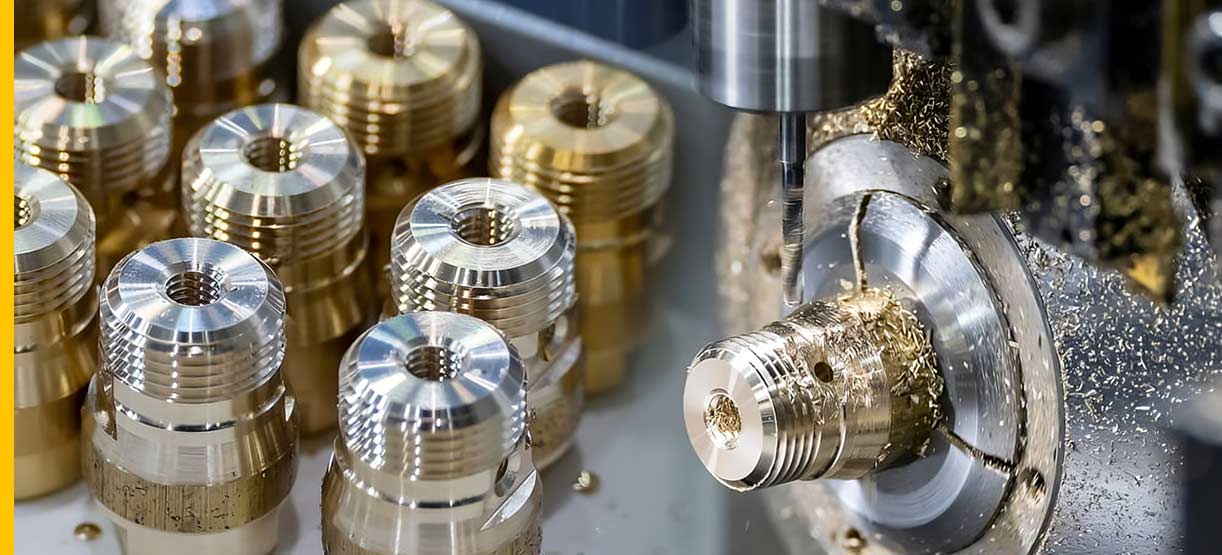
Milling takes longer still, especially for deep pockets or multi-face parts. The tool has to physically remove material chip by chip.
For projects with many unique shapes or frequent design revisions, laser cutting dramatically improves throughput. I’ve seen shops cut their lead times in half just by switching to laser for appropriate jobs.
Material Considerations
Laser cutters work on a broad range of materials.
Carbon steel. Stainless. Aluminum. Brass. Plastics. Acrylics. Composites. Pretty much anything used in modern fabrication.
Where lasers excel: thin sheet metal, delicate or heat-sensitive materials, detailed shapes, engraving, repeatable short-run production.
Where traditional methods win: very thick metals, structural shapes, high-strength alloys, simple straight cuts at scale.
Heavy plate? Mechanical saws and plasma cutters might still be more economical. You’re not trying to cut 2-inch steel plate with a laser. Not efficiently anyway.
But for everything else—light-gauge metal to precision components—laser delivers cleaner results with fewer secondary operations.
Cost Comparison
This is where people get confused.
Laser machines cost more upfront. Significantly more. A quality fiber laser system can run six figures. A band saw? Fraction of that. That’s just a fact.
But upfront cost isn’t the whole picture. You have to look at what happens after the purchase.
Laser cutting reduces long-term operational costs. Less scrap waste because cuts are precise and nesting software maximizes material usage. Minimal finishing because edges come out clean. Faster production because changeovers happen in seconds. Lower labor involvement because the machine does the work.
For complex shapes, this often makes laser the most cost-effective option overall. The per-part cost beats mechanical cutting even though the equipment cost more.
I’ve done the math with shops. They were shocked when we added up deburring labor, scrap rates, and setup time. The laser “paid for itself” faster than they expected.
Traditional cutting equipment costs less to buy. But ongoing expenses can add up. Tool replacement gets expensive over time. Slower production rates mean more labor hours per part. More secondary finishing eats into margins. Higher scrap from tool wear adds up. More manual labor at every step.
For heavy structural cutting and repetitive straight shapes, mechanical methods still make sense financially. But for precision work? The math usually favors laser.
Application Breakdown
Laser cutting dominates where precision and customization matter.
Aerospace. Automotive. Electronics. Prototyping. Architectural décor. Medical components. Any application where clean edges, tight tolerances, and fast turnaround matter.
Traditional methods remain strong in heavy industries.
Shipbuilding. Construction. Heavy equipment manufacturing. Applications that require cutting very thick or structural materials where lasers aren’t the most efficient solution.
Most shops use both. Laser for precision work, traditional methods for heavy cutting. Right tool for the right job.
How to Choose
Here’s a practical framework.
Step 1: Define your material and part geometry. Thickness, hardness, and design complexity drive the initial decision.
Step 2: Identify tolerance and edge-finish requirements. Tight tolerances or small interior features usually point toward laser.
Step 3: Compare production speed needs. Quick-turn jobs with many custom shapes favor laser’s flexibility.
Step 4: Assess total cost—not just equipment time. Include finishing, scrap, labor, and setup time in your calculation.
Step 5: Match to your production strategy. Frequent revisions and fast changeovers? Laser is usually the smart choice.
Industry Trends
Across U.S. manufacturing, demand keeps rising for more customization, shorter lead times, smaller production runs, and higher tolerance parts.
Laser cutting adoption continues to expand because it supports automation, digital workflows, and rapid prototyping. Three areas shaping the future of fabrication.
Mechanical methods aren’t going away. They’ll remain relevant where heavy structural materials dominate. But overall industry trends favor laser’s flexibility and precision.
Shops that can do both have an advantage. Pick the right method for each job. That’s the winning strategy.
FAQs
Is laser cutting more accurate than mechanical cutting?
Yes. Non-contact process means no tool wear or vibration. Consistently tight tolerances.
Can laser replace all traditional cutting methods?
Not entirely. For very thick metals or simple straight-line cuts on heavy material, mechanical cutting may still be more efficient.
Is laser cutting more expensive?
Higher equipment cost, but often lower per-part cost due to less scrap, faster production, and minimal finishing.
What materials can lasers handle?
Most metals, plastics, acrylics, and composites—especially thin to medium thickness.
Do laser-cut parts need finishing?
Usually not. Clean edges that often need no deburring. That’s one of the main advantages.
When should I choose traditional cutting?
Thick plate over 1 inch. Simple straight cuts at high volume. Structural materials where edge finish doesn’t matter. Heavy industrial applications.
How fast is laser compared to mechanical cutting?
Significantly faster on thin to medium material. Changeovers are nearly instant. On thick plate, the speed advantage disappears.
What thickness is laser best for?
Generally up to about 1 inch for steel, thinner for stainless and aluminum. Above that, traditional methods often make more sense.
Can laser cut complex interior shapes?
Yes. That’s one of its strengths. Interior cutouts, complex curves, detailed patterns—all without repositioning or changing tools.
Why Styner Machine Tools
Styner Machine Tools provides laser cutting, CNC machining, and full fabrication support.
Rapid prototypes, custom components, or production-ready parts. Accuracy, fast turnaround, and dependable quality across every job.
When precision cutting matters, Styner delivers.